First day cover ·
iPad mini Gets an 8.5-Inch OLED Screen, A20 Pro and IP67 Rating From $699
Apple's new iPad mini moves to an 8.5-inch OLED display with the A20 Pro chip and IP67 protection, starting at $699 with pre-orders from October 28.
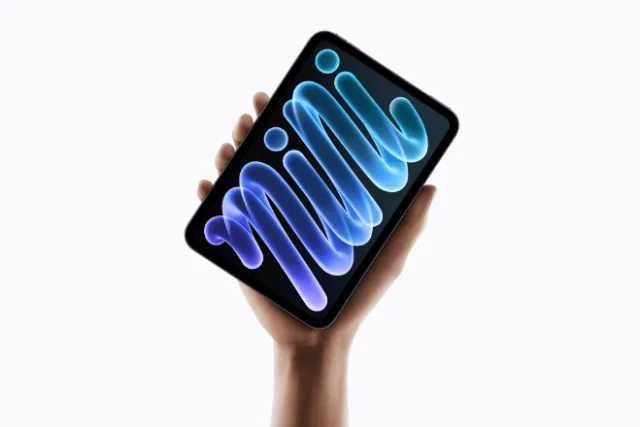
The OLED panel is the headline here, and it's the first thing that changes how the iPad mini feels to use. Apple has moved the smallest iPad onto an 8.5-inch OLED screen, paired it with the A20 Pro chip and added an IP67 rating, all at a starting price of $699 for the Wi-Fi model. My read is that this is less a spec bump than a repositioning: the mini is now aimed at people who want the full iPad experience in a device they can hold one-handed for long stretches.

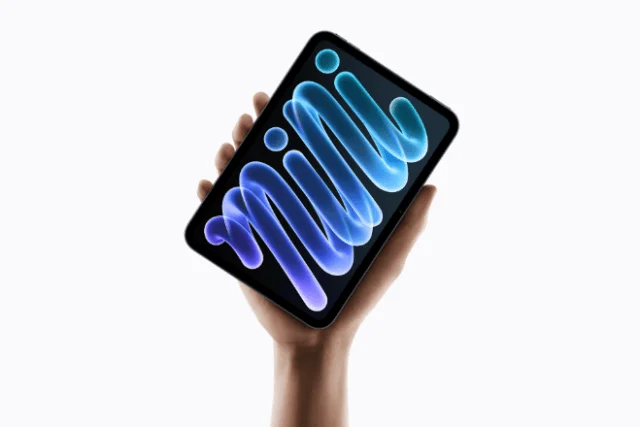
The Display: OLED Comes to the Mini
Apple says the Super Retina XDR panel is larger than before, at 8.5 inches, yet keeps roughly the same footprint as the previous mini. The trick is 24 percent thinner bezels. OLED lets each pixel control its own light, which Apple says produces much deeper blacks and higher contrast. The display supports the P3 wide colour gamut, so colours should look more vivid and accurate than on the LCD model it replaces.
Brightness is where the numbers get interesting. Peak brightness reaches up to 1,200 nits, which Apple describes as more than twice the previous generation. Full-screen brightness is rated at 600 nits for both SDR and HDR content, with a contrast ratio of 2,000,000:1. The 1-nit minimum matters more than it sounds. Apple points to someone reading in bed at night and to pilots checking an electronic flight bag in a cockpit, which tells you the company is thinking about dim rooms as much as bright sunshine.
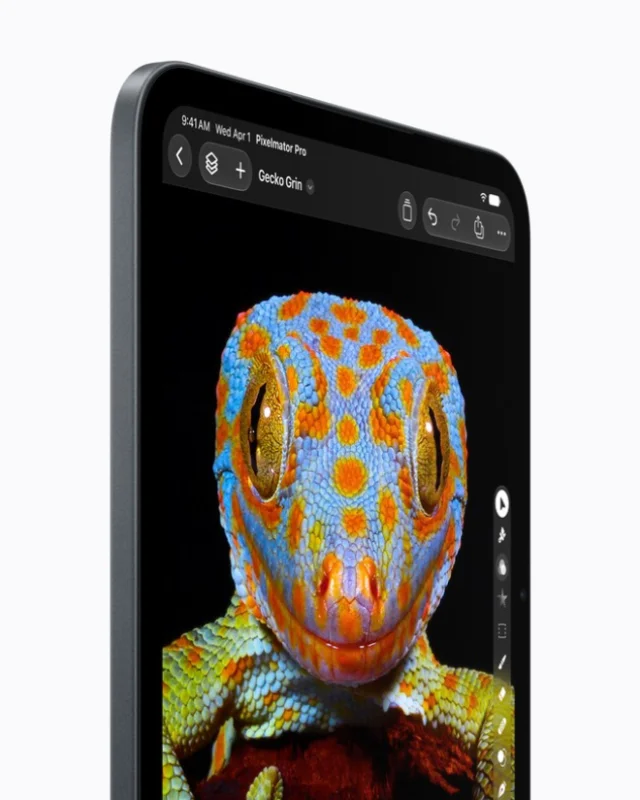
For anyone who works outdoors, there's a nano-texture option. It's the same finish Apple already offers on iPad Pro, and Apple says it cuts glare in bright conditions. That's useful for creatives editing in the sun or field technicians reading screens on site. The trade-off is the usual one with matte-style coatings: you'll want to see it in person before deciding whether the softer look suits you indoors.
Thinner, Lighter and Now Splash and Dust Resistant
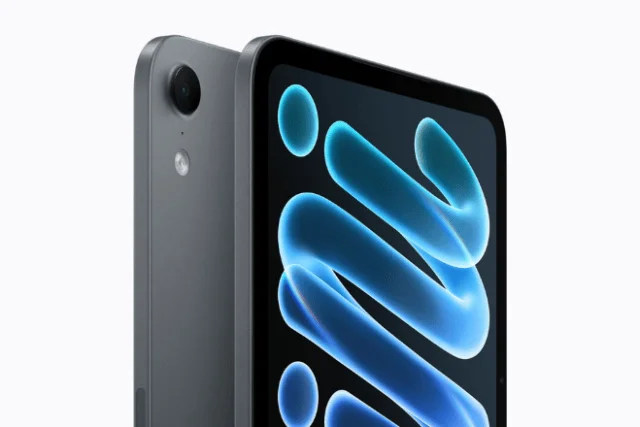
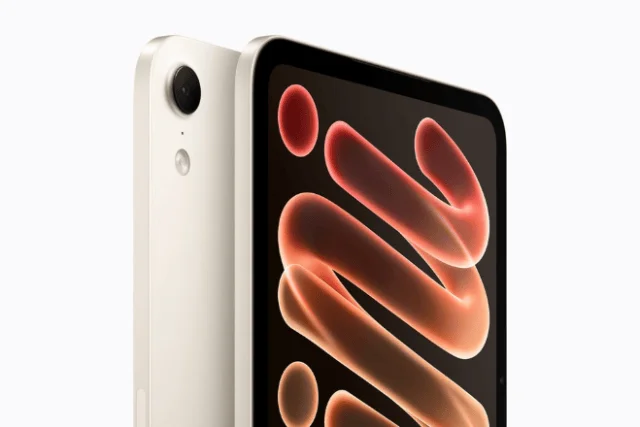
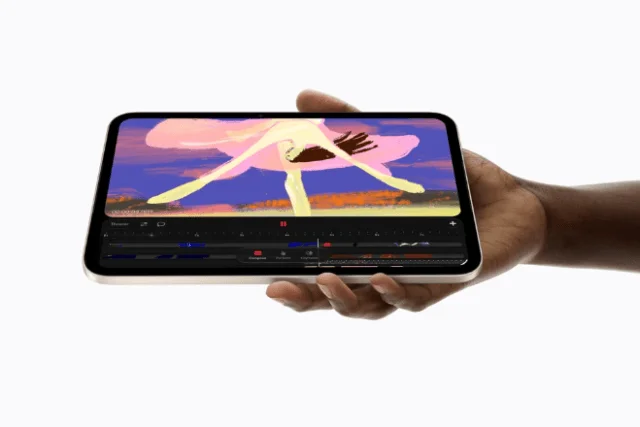
At 5.4 mm thick, the new iPad mini is thinner and lighter than the model it replaces, and Apple says it's easier to carry and hold with one hand. It comes in two finishes: a new midnight and a starlight that Apple calls beautiful. Apple's own imagery shows both colours, though the real test is how they look under ordinary room light.
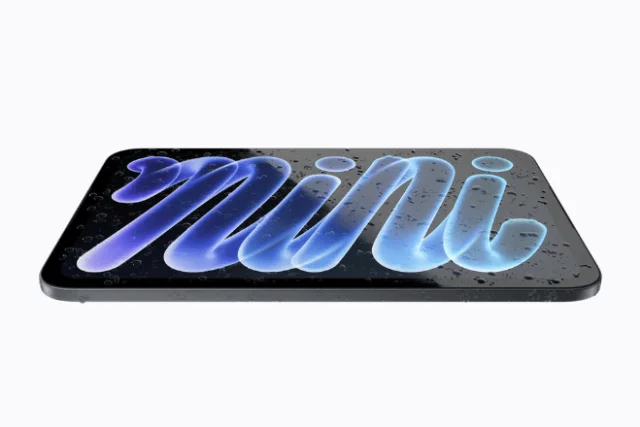
The bigger practical change is the IP67 rating, which covers protection against water and dust. Apple's examples are working outside on a rainy day and reading by the pool. IP67 is a meaningful step for a tablet this size, though it's a rating for resistance under specific test conditions, not a licence to take it anywhere. Water and dust protection tends to be a quiet selling point until the moment it saves a device, and it's a good reason to think about this model for kitchens, job sites and beaches.
A20 Pro: Where the Performance Jump Comes From
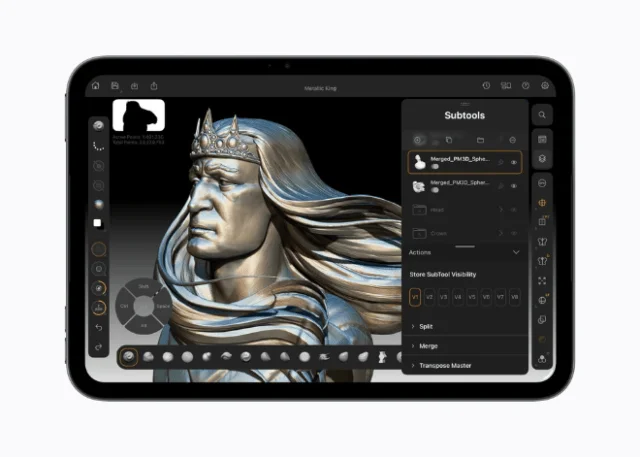
The A20 Pro is built on what Apple describes as its latest 2-nanometre process, and it uses a new package that Apple says draws on its M-series chips. The GPU is a 7-core design with Neural Accelerators in each core. Apple claims up to 4.5 times faster AI performance than the previous generation, which it links to on-device models in creative apps and running local large language models. Graphics performance is claimed to rise by up to 2.7 times, with dynamic caching and hardware-accelerated mesh shading and ray tracing cited as the reasons.
The CPU has up to six cores, and Apple says multithreaded performance is up to 60 percent faster, which should help with photo editing and juggling several apps at once. Apple also says the 512GB configuration includes a Dual 16-core Neural Engine with double the processing power of the previous generation, and that apps such as Draw Things and Detail take advantage of it. Engaging all 32 cores together is Apple's pitch for heavier on-device AI work. Unified memory bandwidth is more than doubled, according to Apple.
These are Apple's figures, and independent benchmarks will tell us how much of the gap shows up in daily use. Still, the direction is clear. If you're buying the mini for drawing, editing video or running on-device AI, the chip is the reason to look at the higher storage tiers rather than the base model.

Audio and Cameras
The audio redesign is more involved than a simple speaker upgrade. Apple has placed specially designed woofers behind the display, which it says deliver punchier bass and more volume. The tweeters are now tucked between the glass and the aluminium enclosure, aimed at clearer high frequencies. Apple says the sealed enclosure also helps the device reach its IP67 rating, so the audio and water resistance are engineered together.
On camera, the 12MP Center Stage front camera has moved to the landscape edge. That placement suits how most people hold the iPad during video calls and collaboration sessions, and Apple says it makes FaceTime and conferencing feel more natural. The 12MP Wide back camera supports Smart HDR 4 and 4K video at up to 60 fps. A new Adaptive True Tone flash is meant to improve photos in low light and make document scanning cleaner.

Wireless and Cellular Upgrades
Apple's N1 wireless chip is new to the iPad mini. It brings Wi-Fi 7, Bluetooth 6 and Thread support, and Apple says it improves performance on 5GHz Wi-Fi networks. It also says AirDrop and AirPlay should be more reliable. Those are the kinds of gains you notice on a busy home network more than on a spec sheet.
Cellular models use C2, Apple's next-generation modem system. Apple says it delivers up to 50 percent faster cellular data speeds than the previous mini, with better power efficiency. Paired with iPadOS 27, switching between cellular and Wi-Fi should be smoother, so a FaceTime call can hold up while you're moving. eSIM support lets users add, transfer or switch plans digitally, which is handy for travellers and anyone who wants a data plan without a physical card.
iPadOS 27 and Siri AI
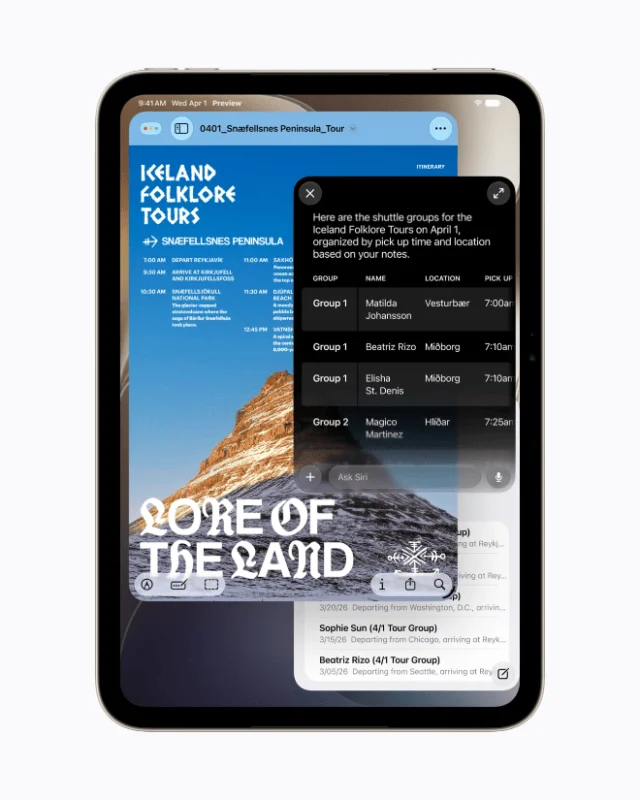
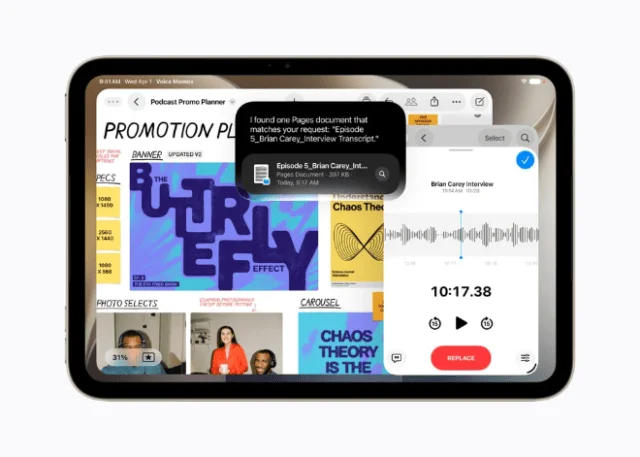
The software story is just as important as the hardware. The new mini runs iPadOS 27 with what Apple calls the next generation of Apple Intelligence and Siri AI. Siri AI is described as an entirely new version of Siri that is more personal, more capable and more conversational. It can draw on personal context across messages, emails and photos to find what you need, use onscreen awareness to act on what's on your display, and answer questions on a wide range of topics. Apple says Siri AI is rolling out in beta with iPadOS 27, so treat it as a work in progress for now.
Other Apple Intelligence features are aimed at photo and web tasks. Upgraded Clean Up, Spatial Reframing and Extend let you adjust a photo after it's taken. The all-new Image Playground app is said to produce photorealistic imagery. In Safari, Notify Me watches web pages for changes such as restocks or price drops. Apple says Intelligence runs on-device where it can and uses Private Cloud Compute otherwise, and that personal data isn't stored or made accessible to Apple or anyone else when that cloud system handles a request.
iPadOS 27 also brings a set of responsiveness and usability changes, plus Liquid Glass updates. A new Settings slider lets you adjust the effect from ultraclear to fully tinted. Multitasking gets freely resizable windows, window tiling and Exposé. With iPadOS 27.2, the mini supports extended display mode on an external monitor, which should suit anyone who uses windowed apps alongside a desk setup. Apple also highlights parental controls covering what kids can see, who they can contact and when they can open apps, and points parents to a website with guidance on safer digital habits.
Accessories: Smart Folio and Pencil Options
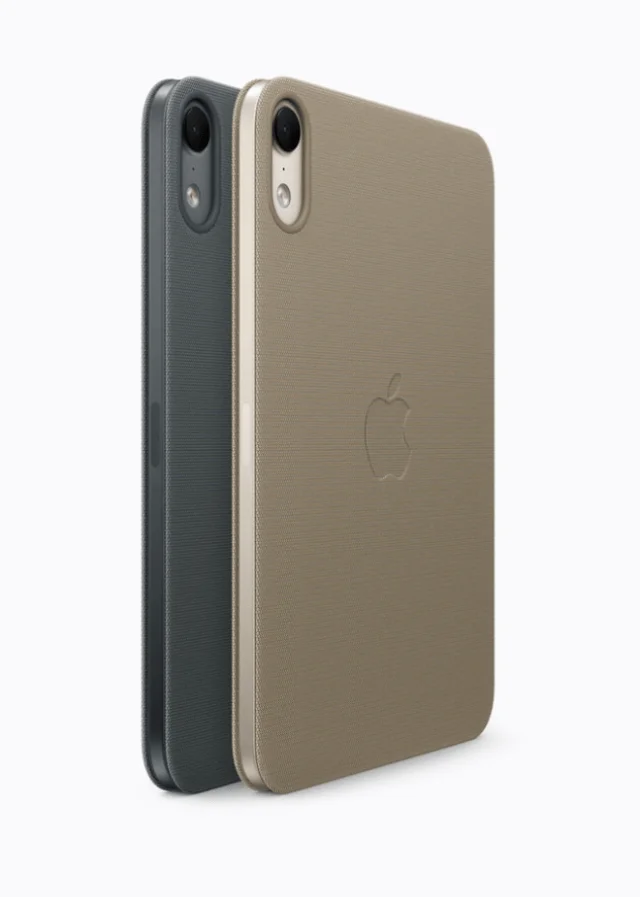
The new TechWoven Smart Folio uses a two-panel design and attaches magnetically to the mini. It's slim and light, and it comes in navy blue and taupe to match the new finishes. Its adjustable design offers more viewing angles than before, which helps with typing on a lap or propping the tablet up for a video call. It costs $79.
The mini supports both the Apple Pencil (USB-C) and Apple Pencil Pro. The USB-C model at $79 is the sensible pick for note-taking and sketching. The Pro, at $129, adds squeeze and barrel-roll gestures and Find My support. If you draw for a living, the Pro's extra features are the reason to pay more. For everyone else, the USB-C model covers most needs.
Environmental Claims
Apple says the mini is made with 35 percent recycled content overall, including 100 percent recycled aluminium in the enclosure and 100 percent recycled cobalt in the battery. The company puts renewable energy across the supply chain at 40 percent, and says the device is designed to be durable and repairable. Its paper packaging is fibre-based and designed for recycling. Apple's broader target is to be carbon neutral across its entire footprint by 2030. These are company claims, and they're worth checking against Apple's own product environment reports when you compare models.
Pricing, Pre-Orders and Availability
Pre-orders open Wednesday, October 28, at apple.com and in the Apple Store app, in 36 countries and regions including the U.S. Devices begin arriving Friday, November 6, and will also be on sale in Apple Store locations and at other retailers. The mini comes in midnight and starlight, with 128GB, 256GB and 512GB configurations.
Pricing starts at $699 for Wi-Fi and $849 for Wi-Fi + Cellular. Monthly payments are $58.25 for 12 months on the Wi-Fi model and $70.75 for 12 months on the cellular version. Education buyers get the Wi-Fi model from $649, or $54.08 a month over 12 months. Apple Upgrade leasing starts at $14.99 a month on a 36-month lease for Wi-Fi, and $18.21 a month for cellular.
Protection options are AppleCare+ and, in available markets, AppleCare One, which can cover several products under one plan. Both cover accidental damage such as drops and spills, theft and loss on eligible products, battery replacement and priority support. In the U.S., AppleCare One Family extends that coverage across an Apple Family Sharing group for one monthly price. Trade-ins are available through the Apple Store online, the app or a store. U.S. Apple Card holders can pay monthly at 0 percent APR through Apple Card Monthly Installments and receive 3 percent Daily Cash up front. Cellular models can also be financed through a carrier.
My Take
The iPad mini has been a niche device for years, and this generation makes a clearer case for it. The OLED panel, IP67 rating and A20 Pro add up to a tablet that suits reading, drawing and on-device AI in a small body. If you're on an older mini, the display and chip are the upgrades you'll notice first. If you're on an iPad Pro or a standard iPad, the question is whether you'd rather have a smaller, tougher tablet for carrying around.
Watch two things over the coming months. The first is how Siri AI performs once it moves beyond beta, since much of the value Apple is selling depends on it. The second is how the A20 Pro's Neural Engine and GPU gains show up in the apps you actually use, rather than in Apple's test charts.