First day cover ·
Apple's First Touch-Screen MacBook Pro Lands Wednesday, Pricier and Touch Optional
Apple's first touch-screen MacBook Pros, with OLED displays, are expected Wednesday. Expect higher prices and touch as an optional extra.
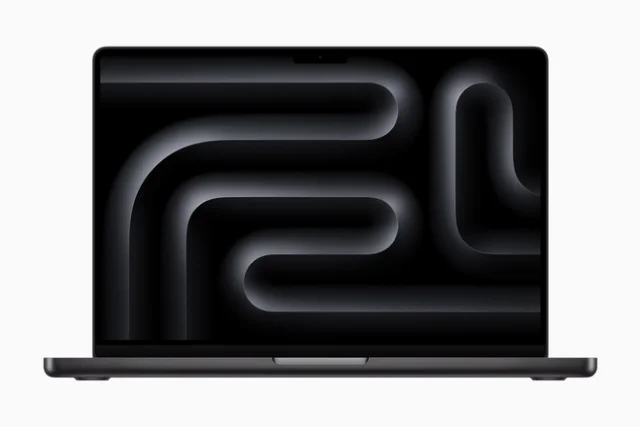

Apple is expected to unveil its first touch-screen MacBook Pro models on Wednesday, October 28th. For a company that spent well over a decade treating touch on a laptop as a bad idea, that's a sharp turn. Bloomberg's Mark Gurman is the source for the timing and the details that follow, and they're worth reading as a set rather than a headline.
What's changing in the hardware
The new models come in 14-inch and 16-inch sizes, and both get touch-enabled OLED displays. Apple hasn't put an OLED panel in a Mac before, so this is a first for the lineup. Outside the screen, they're expected to look largely like the current generation, with a lower weight and a notch replaced by a Dynamic Island-style cutout.
Performance comes from the M5 Pro and M5 Max chips Apple introduced earlier this year. Nothing in the reporting points to a newer silicon generation, so buyers wanting the newest chip should look at a different configuration or wait.
The price is where I'd slow down. Gurman expects the touch-screen models to start as much as $500 above the current lineup, which begins at $2,499 for the 14-inch and $2,999 for the 16-inch. The reasoning is simple: OLED panels cost more than the mini-LED displays Apple uses today. Treat that figure as a reported expectation, not a confirmed price, until Apple publishes its own numbers.
How macOS Golden Gate handles touch
Hardware is only half of this. macOS Golden Gate has a "dynamic interface" that changes its controls depending on whether you're touching the screen or using the trackpad. Tap a button with your finger and a menu can appear around that point. The Dock and Menu Bar have also been reworked for touch input.

What's interesting is how Apple is positioning the feature. The company is framing touch as a supplementary input method that sits alongside the keyboard and trackpad. It isn't presenting it as a step toward an iPad-style Mac. That distinction matters for how the software is designed. If touch is an option, the trackpad and keyboard still have to carry most of the work, and the interface has to make switching between them feel natural rather than awkward.
Why it took sixteen years
Steve Jobs called touch-screen laptops "ergonomically terrible" in 2010, and that line became the company's public position for a long time. Later leaders, including Tim Cook, Phil Schiller, Craig Federighi, and John Ternus, all rejected the idea in various forms. So the reversal is about more than a feature. It's a clear admission that the company's own earlier stance no longer fit what customers wanted.
Gurman's reporting points to the pandemic work-from-home period as a turning point. Strong Mac and iPad sales during those years pushed development forward, and Cook and Ternus reportedly concluded that customers expected touch on a laptop. Here's the thing, though: the ergonomic problem Jobs described hasn't gone away. Reaching up to a vertical screen gets tiring quickly. Apple's answer seems to be making touch optional, so the people who find it uncomfortable can simply keep using the trackpad and keyboard.
That's a sensible compromise, but it also means the touch screen will be tested less by specs than by daily habit. Most people will try it, notice the fingerprints, and decide for themselves how often they actually reach for the display.
What else could show up Wednesday
Gurman also expects an entry-level 14-inch MacBook Pro with the M6 chip, keeping the current design, along with a refreshed iMac. These are reported expectations rather than confirmed products, so it's worth holding them loosely. If the M6 model lands, it would give buyers who don't want touch or OLED a cheaper route into the Pro line.
The event is tied to Apple's "Pro and tell" session in Los Angeles. Invitees will likely get hands-on time with the machines after an initial announcement, and pre-orders are expected to open shortly after a video presentation. That sequence matters for anyone planning to buy at launch. Hands-on impressions will probably arrive before shipping dates are clear, so a reader should expect a gap between seeing the machines and receiving one.
The existing mini-LED MacBook Pros will stay on sale for now. Over time, though, Apple is expected to phase them out as it consolidates the high-end lineup. If you're shopping now, that could mean deciding between a current model at a known price and a newer touch-screen model that costs more and hasn't been tested by reviewers yet.
What I'd watch
My read is that the first reviews will focus less on whether touch works and more on how often people reach for it. The OLED panel will get most of the attention, but the real test is whether the dynamic interface makes the keyboard and trackpad feel more capable, or whether it adds a second way of doing things that most users ignore. If the answer is the latter, Apple will have added a premium price tag for a feature many buyers never touch.
For now, if you're weighing an upgrade, wait for hands-on testing before assuming the touch screen is worth the extra money. Check the M5 Pro and M5 Max configurations against your workload, and compare the reported $500 premium against what you'd actually use. The touch screen is the headline, but the buying decision will come down to price, battery life, and whether you want your fingers on the display at all.