First day cover ·
Apple's OLED iPad mini Brings Deeper Blacks and IP67 Durability
Apple's new iPad mini swaps LCD for OLED, adds an A20 Pro and IP67 resistance, and starts at $699. The storage tier you pick decides how much of that chip you get.
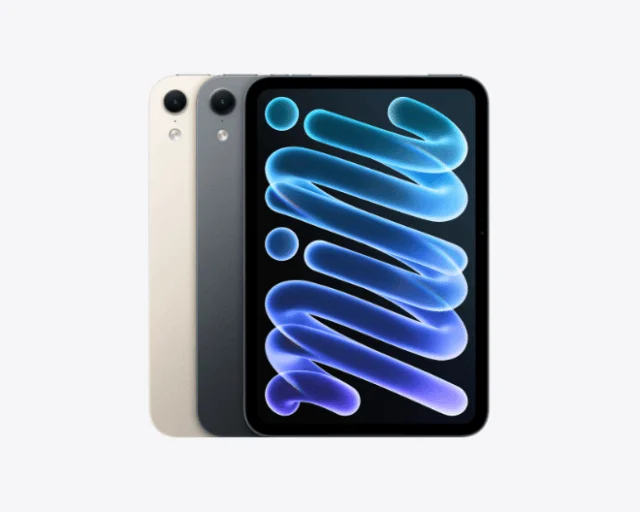
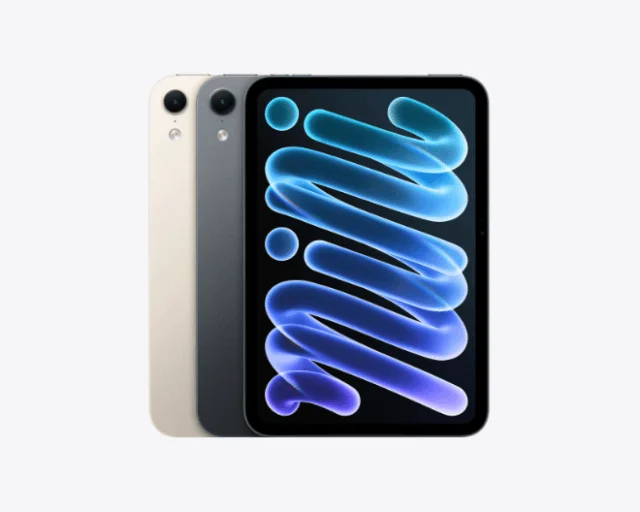
Apple has finally moved the iPad mini to OLED, and that's the change that will matter most to people choosing between this and the model it replaces. The seventh-generation iPad mini, the A17 Pro model from October 2024, kept the Liquid Retina LCD while getting a faster chip and Apple Intelligence support. The new model keeps the compact body but rebuilds the screen, the processor, the wireless stack and the durability spec. Apple is positioning it as the biggest update the small iPad has had.

The screen is the headline change
The old panel was an 8.3-inch fully laminated Liquid Retina IPS LCD at 2266 × 1488 resolution, or 326 ppi. It had P3 wide color, True Tone, an anti-reflective coating and up to 500 nits of brightness, all at a fixed 60 Hz. The new iPad mini uses an OLED panel that grows to 8.5 inches, helped by slimmer bezels rather than a bigger body.
The panel is a single-stack LTPS hybrid design, not the dual-stack tandem LTPO that Apple uses in the iPad Pro. That's a meaningful distinction. Apple's ProMotion, with refresh rates up to 120 Hz, is absent here, so the mini stays at 60 Hz. Scrolling and Apple Pencil writing won't feel any smoother than on the old model. What you gain is contrast. OLED can switch individual pixels fully off, which gives true blacks, and Apple says the panel delivers richer colors and better HDR performance. Anyone who reads in dim rooms, watches video on the couch or uses the device for photo work will notice the difference quickly. Anyone who mainly uses it for spreadsheets may not.
Under the hood: the A20 Pro and the binning question
The chip swap is substantial. The 2024 model ran the 3 nm A17 Pro with a 6-core CPU (two performance and four efficiency cores), a 5-core GPU, a 16-core Neural Engine and 8 GB of RAM. The new model uses the A20 Pro, built on a 2 nm process, paired with 12 GB of unified memory. Apple's figures put unbinned models at roughly 1.5 times the CPU performance and up to 2.5 times the GPU performance of the A17 Pro, with a more capable Neural Engine on top.
Here's the catch. The 128 GB and 256 GB tiers get a binned version of the A20 Pro with a 5-core CPU and a 7-core GPU. The full core count is reserved for the 512 GB model. Binning is common in chip design, where a slightly defective or lower-yield die is sold with some cores disabled, but it means the speed claims apply only to a subset of buyers. If you plan to run heavy GPU workloads, such as 3D rendering, long video exports or demanding games, the 512 GB model is the one Apple's numbers describe. The base model still gets the newer architecture and a considerable jump over the A17 Pro, just not the full headline figures.

The extra memory matters for on-device AI. Apple says the 12 GB of RAM allows more Apple Intelligence features to run locally, including enhanced Siri voice customization and dictation. That's a sensible use of the memory, and it's the kind of feature that will show its value over time, as more tasks move onto the device rather than to the cloud.
Durability and everyday fixes
The biggest surprise on the spec sheet is the IP67 rating. Apple says it's the first iPad to carry official water and dust resistance. The rating comes from a revised casing and a redesigned speaker assembly, which Apple says is more integrated and reduces the chance of liquid getting in. For a device that often lives in kitchens, bags, beach trips and gym sessions, that's a practical gain rather than a checkbox. IP67 protects against dust and temporary immersion in fresh water, not against pool chlorine, saltwater or hot springs, so treat it as protection for accidents rather than a license to take the iPad into the water.
The front camera has moved from the short top edge to the landscape edge. When you hold the iPad sideways for a video call, or dock it in a keyboard case, your face sits closer to the lens and the framing looks more natural. Anyone who has squinted at a mini propped up in portrait will appreciate that. The camera hardware itself is largely unchanged, with a 12 MP front Ultra Wide with Center Stage and a 12 MP rear Wide with Smart HDR.
Connectivity moves forward
Wireless is a clear step up. The previous model used Wi-Fi 6E and Bluetooth 5.3. The new iPad mini moves to Wi-Fi 7 and Bluetooth 6, with Apple's custom N1 chip handling the wireless work. Cellular models get an updated custom modem. Wi-Fi 7 only helps if your router supports it, so check your home network before assuming a speed gain. Still, buying a device with the newer standard means it will stay compatible with faster home gear for longer.
What stayed the same
Much of the iPad mini's identity carries over. Both generations support Apple Pencil Pro and the USB-C Apple Pencil, Touch ID sits in the top power button, and the port is USB-C with support for up to 10 Gbps. Storage still comes in 128 GB, 256 GB and 512 GB. Apple says battery life stays targeted at all-day use, and it expects the efficiency of the OLED panel and the 2 nm chip to offset the extra compute. Independent battery testing will show whether that trade works in practice, so hold off on judging stamina until reviewers have run the device through their own tests.
Pricing and who should buy
The new OLED iPad mini starts at $699 for the 128 GB Wi-Fi model, $100 more than the A17 Pro model's $599 launch price. Pre-rumours had pointed to a steeper increase, so the jump feels more reasonable than it might have. Pre-orders open October 28, and full availability begins November 6.
My read is this. If you own a seventh-generation mini and mainly watch video or read, the OLED panel and IP67 rating are the reasons to upgrade, and the chip gain is a bonus. If you're on an older mini with an LCD, this is the biggest single step the line has taken, and the price premium is easier to justify. If you're buying for heavy creative work, pay for the 512 GB model, because that's the only tier with the full core count Apple is promoting. Either way, the next question is whether Apple keeps the mini at 60 Hz, since ProMotion is the one feature this version still leaves out.