First day cover ·
Apple Holds Flat as Smartphone Shipments Drop 20% in Q3 2026
Omdia puts Q3 2026 smartphone shipments down 20%, but Apple's 56.5 million iPhones held flat and pushed its share up to 22%.
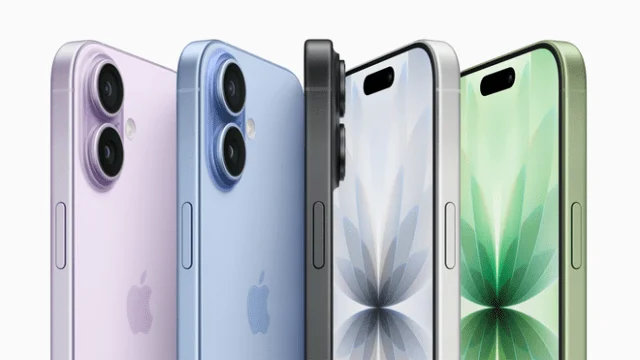
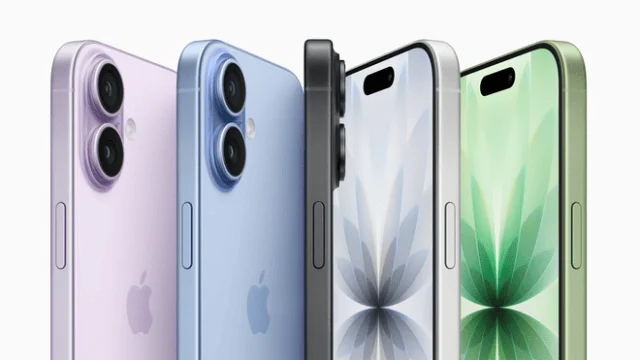
Apple had one of the few clean quarters in a bad stretch for phones. Worldwide smartphone shipments fell sharply in the third quarter of 2026, yet Apple's volume stayed level and its share grew. For anyone tracking the market, the gap between Apple and nearly everyone else is the story.

The size of the drop
Research firm Omdia says worldwide smartphone shipments dropped 20% year over year in Q3 2026, to 254.7 million units. That's the lowest third-quarter total since 2013 and the steepest third-quarter decline in more than a decade. The second quarter had already slipped, down 6%, so the decline got noticeably worse in just one quarter. It happened even as manufacturers stocked channels for the holiday season and launched new flagships.
The main brake was price. Omdia ties the slump largely to higher device prices, which come from elevated memory and storage costs. Buyers in emerging markets felt it most, and distributors and retailers stayed wary about holding inventory they might not sell. When a phone costs more to build and more to buy, people hold on to the one they have.
Apple flat, Samsung slipping, everyone else falling hard
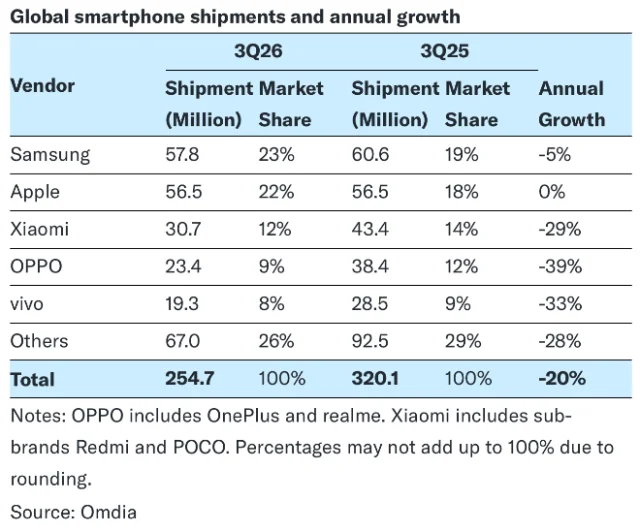
Apple shipped 56.5 million iPhones in the quarter, the same as a year earlier. In a market down 20%, that flat line lifted its global share to 22%, up from 18%. Samsung, still the volume leader, shipped 57.8 million units, down 5%, and held 23% of the market. Together the two companies accounted for 45% of global shipments, about eight percentage points more than a year earlier.
The mass-market brands took the bigger hits. Xiaomi fell 29%. OPPO, which Omdia counts together with realme and OnePlus, dropped 39%. vivo declined 33%. Those are the kinds of numbers that force hard choices about where to spend marketing money and which markets to keep chasing.

Why Apple held up
Omdia credits Apple's resilience to strength in developed markets. Demand in China and North America offset weakness elsewhere. Two factors stand out. First, continued interest in the iPhone 17 lineup kept units moving. Second, Omdia points to channel stocking ahead of expected price increases, meaning retail and distribution pipelines filled up before costs rose further.
Product timing also played a role. According to the report, Apple introduced the iPhone 18 Pro and iPhone 18 Pro Max in September, along with its first foldable model, which the source calls the iPhone Duo. The base iPhone 18 is reportedly pushed to 2027. That choice stretched the sales life of the iPhone 17 and put holiday demand behind the higher-margin premium models. It's a trade-off: fewer launches at the entry level, more weight on the devices with the best margins.
Here's the thing: a flat year at Apple is a strong result in this market, but it's also a sign of how much the volume players are struggling. A company that sells premium phones with a long upgrade cycle and strong brand loyalty can absorb cost inflation far better than a company that competes on low prices.
Emerging markets took the worst of it
The downturn hit emerging markets hardest. Africa recorded a 39% year-over-year contraction, as higher costs pushed vendors to protect margins instead of chasing volume. Asia-Pacific excluding Greater China, the Middle East and Latin America each fell by more than 20%. Currency depreciation, inflation and reduced purchasing power led many buyers to delay upgrades or switch to refurbished phones. A refurbished market is a useful signal in itself: it tells you that buyers still want a working device but can't justify a new one.
North America held up better. Omdia points to a premium-leaning mix and established carrier financing, trade-in and upgrade programs. Those programs matter more than most people realize. When a monthly payment or a trade-in credit makes a flagship affordable, the buyer keeps upgrading even as headline prices rise.
What comes next
Omdia expects full-year 2026 global smartphone shipments to fall 12%. It expects further price increases and limited room for promotions to keep pressure on demand through the holiday period. The firm's read is that the market is splitting in two. Premium vendors with strong brands and financing ecosystems look better placed to handle cost inflation. Volume-focused players face sharper pressure on both shipments and margins.
For buyers, the practical takeaway is that prices are unlikely to ease soon, so the case for keeping a phone a little longer is stronger than it was a year ago. If you're weighing an upgrade, the financing and trade-in terms may matter as much as the sticker price. For the industry, the question is whether the volume brands can find a way back to growth without giving up their margins, or whether this quarter marks the start of a longer shift toward a smaller number of premium-focused players.