First day cover ·
Beko's COP31 Appliances Aim to Trim Power and Water Bills with AI
Beko showed AI-assisted appliances and its HomeWhiz app at COP31 in Antalya, with tariff-aware scheduling and efficiency claims for dishwashers, fridges and washers.
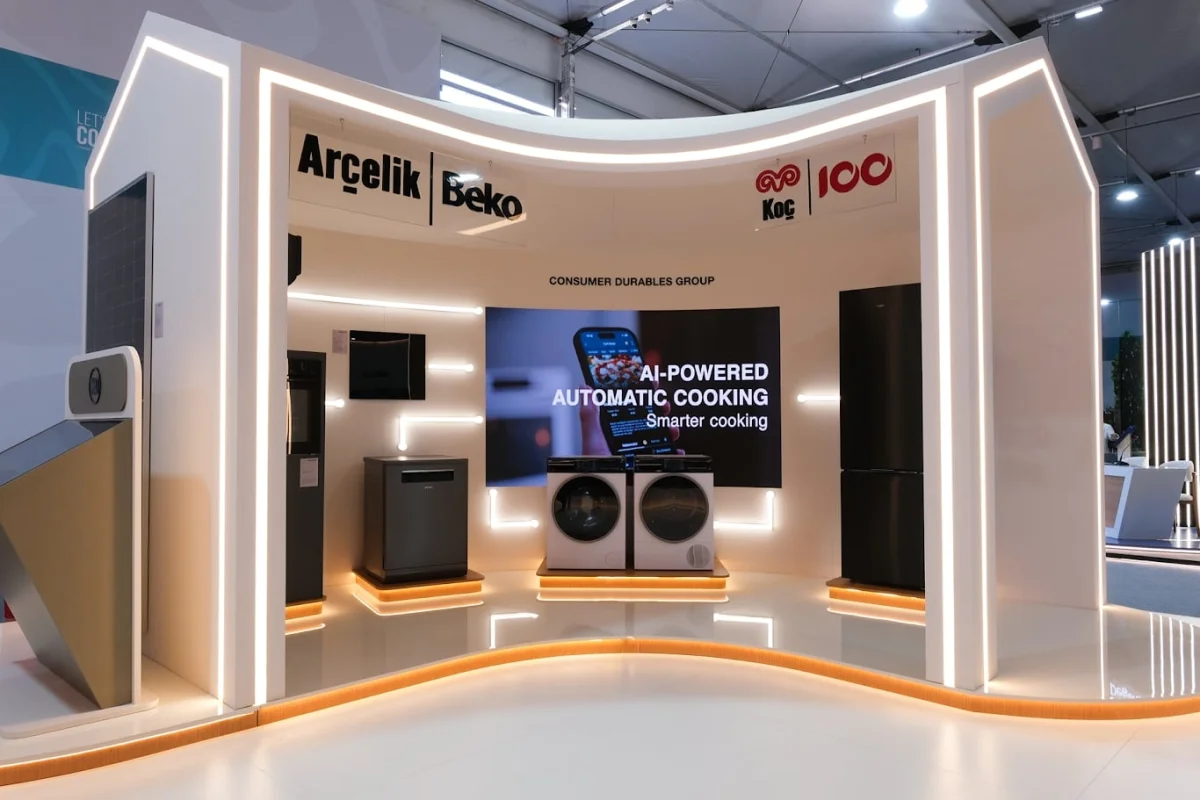
Beko chose a climate summit to show off appliances that try to cut household electricity and water use, and the pitch is more practical than most. The company presented its home efficiency and smart consumption tools at COP31, the UN climate conference running in Antalya, Turkey, from 9 to 20 November. Beko's argument is that the energy transition is decided less by power plants and more by what happens in kitchens and laundry rooms every day.
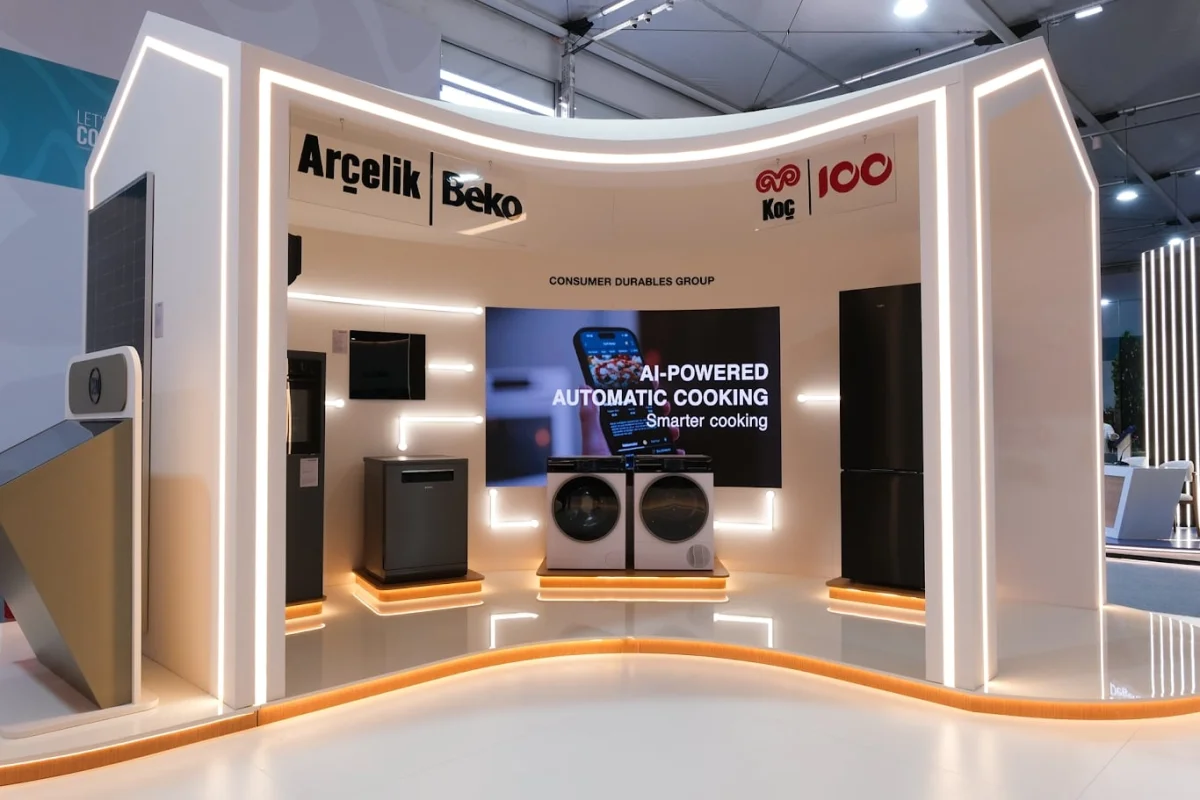
That framing is backed by Beko's own footprint figures. Around 99% of the company's total emissions fall under Scope 3, the indirect emissions in its value chain, and more than 80% of that comes from customers using the products at home. If that's where most of the carbon sits, then making appliances smarter during use is the lever Beko can actually pull. The company also ties this to the "35 by 35" electrification pledge launched by the Turkish COP31 presidency, which aims to raise electricity's share of global final energy consumption from just over 20% to 35% by 2035.
Scheduling loads around cheap electricity with HomeWhiz
The most interesting idea on show is FlexiStart, a feature inside the HomeWhiz smart home platform. It reads electricity tariff data and suggests the cheapest time window to run the washing machine, dishwasher or dryer. The user doesn't have to work out the timing. They confirm the suggestion with one tap in the app and keep control over when the cycle actually starts.
Here's why that matters. Tariff-based scheduling moves the most demanding appliances away from peak grid hours, which can lower the direct cost on a monthly bill. The catch is that it only works if people actually use it, and a one-tap confirmation is a sensible compromise between automation and control. FlexiStart is scheduled to launch in January 2027, with direct integration alongside energy suppliers in Germany and Turkey. Those two markets are a useful early test, since tariff structures differ a lot between countries, and the value of time-shifting depends entirely on how a given supplier prices peak and off-peak power.
Beko also says the HomeWhiz energy management panel shows detailed electricity and water consumption for each connected appliance. For anyone who has wondered whether the dishwasher or the washer is the real culprit on the bill, per-appliance data is the piece that turns vague guilt into a number you can act on.
Smarter cooking with an AI oven and an induction hob
In the cooking zone, the built-in oven on display uses an AI-equipped camera to identify the type of food inside, monitor the cooking process and switch off at the point it judges the food is done. It also logs the energy used. That's a sensible direction, because ovens are often left running longer than needed, and an oven that stops at the right moment saves power and avoids overcooked meals.
The connected induction hob adds remote control and phone notifications. Its SafeCook sensor cuts the heating once it detects that the water has fully evaporated, which prevents food from burning and wasting energy in the process. Anyone who has walked away from a pan and come back to a scorched base will recognise the problem this is meant to solve. Whether the detection holds up across pans, quantities and cooking styles is the question I'd want to test in a home kitchen before trusting it.
Heat pump dishwashing and AI-tuned fridges
One of the featured products is the Diamond Series freestanding dishwasher. Rather than relying only on conventional electric heating elements, it uses a heat pump, a system that reuses heat within a closed circuit to warm the water during the cycle. Beko says this gives the machine an energy efficiency 50% above the threshold required for the EU's class A rating. The model pairs that with SensorAdapt, which reads the load volume and soil level to adjust the wash parameters, AutoDose for automatic detergent dosing, and an automatic door opening at the end of the cycle so dishes can air-dry without extra electricity.
Beko's CEO, Can Dinçer, framed the pitch around who carries the burden of efficiency. "People shouldn't have to become energy experts to consume less," he said. "A dishwasher that sets an efficient wash on its own, or an app that shows how much each cycle cost, turns a climate target into a daily habit. That's the standard we hold our technology to. Countries come to COP31 to agree targets, and families will need the right technology to help meet them. That's why we're presenting our appliances in Antalya."
Cooling is where the stakes get bigger. The UN Environment Programme's Global Cooling Watch 2025 report, presented at COP30, warns that demand for cooling could more than triple by 2050 without changes. Beko showed a class A++ Smart Plus Inverter air conditioner that connects to HomeWhiz, along with a 60 cm combi fridge-freezer. The fridge is rated 20% above the European class A threshold and uses an AI system called AutonomousPro. It studies door-opening patterns and surrounding temperature conditions to tune compressor cycles, which Beko says can cut energy use by up to 20% and extend food freshness by up to 20%. Those are the company's figures, and independent testing would be the way to confirm them.
Laundry: monitoring and a faster-dissolving wash
The laundry lineup includes a class A dryer with energy monitoring and a washing machine that Beko says exceeds the class A requirement by 60%. It measures both electricity and water consumption. The washer uses EnergySpin, which changes the drum's movement pattern to dissolve detergent quickly at the start of the programme. That means the machine doesn't need to heat as much water, and Beko claims savings of up to 35% on energy during typical cycles compared with its own machines without the system.
What ties the range together is the shift from efficiency as a spec sheet number to efficiency as something the appliance manages on its own. For buyers, the questions to ask are simple: does the scheduling actually run on your tariff, do the savings show up in your bills, and does the app's data help you change habits? FlexiStart's January 2027 launch will be the first real test, and that's the date to watch.