First day cover ·
Konica Minolta Portugal Bets on IT Services as It Targets €50M by 2030
Konica Minolta Portugal has opened its new Lisbon headquarters and set a €50 million domestic revenue goal for 2030, shifting its focus from print toward IT services.
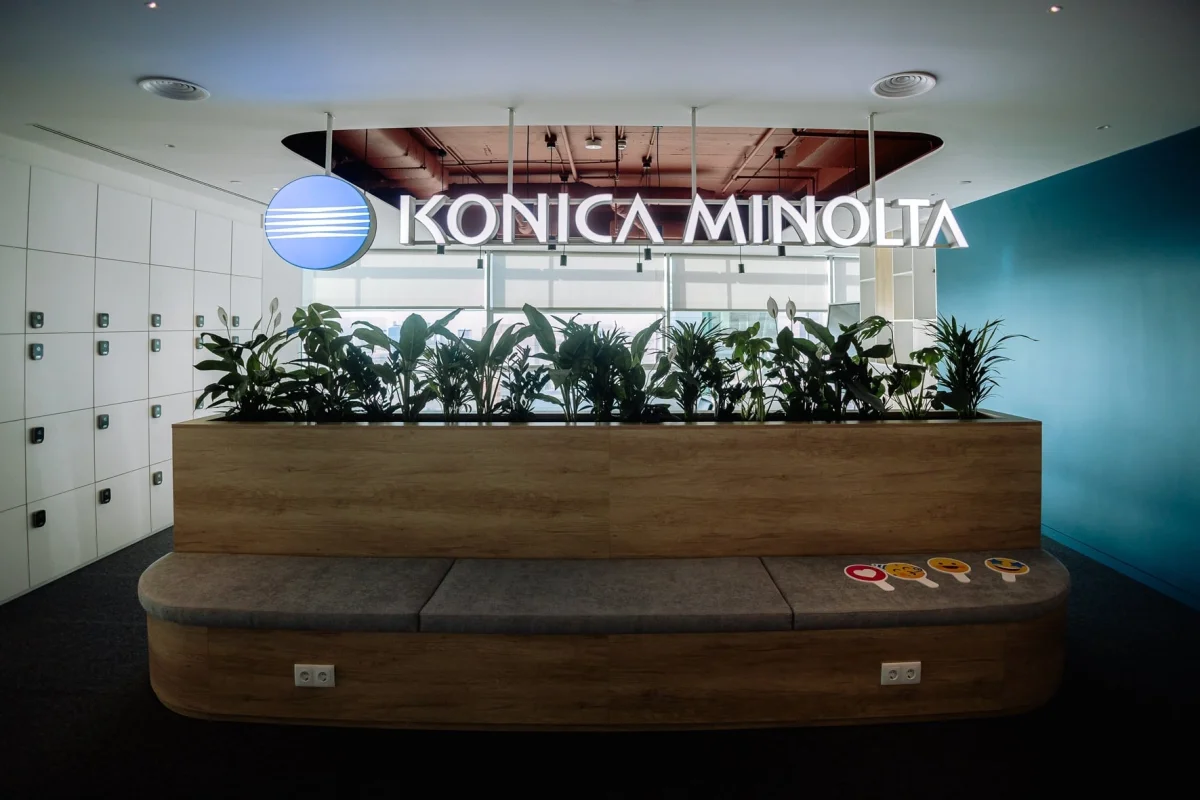
Konica Minolta Portugal wants €50 million in domestic revenue by 2030. To go after that number, it opened its new central offices in Parque das Nações, Lisbon, on Thursday, and the move signals how far the company wants to travel from its printer roots. The headquarters is a physical bet on IT services, and it's one of the clearer signs yet that a print-first brand is rebuilding itself around software, security and cloud.
Why a bigger office in Parque das Nações
Parque das Nações is one of Lisbon's main business and technology districts, and the company says the location brings it closer to clients and commercial partners. The new space is also meant to make it easier to hire and keep skilled technical staff inside Portugal. For a services business, that's the real constraint. Engineers and consultants are the product, and a better building is a recruiting tool as much as anything else.
Pedro Monteiro, Managing Director of Konica Minolta Portugal, tied the move to the wider group. "It's an investment in our operation's capacity to grow, diversify the business and take on new responsibilities within the Group," he said, in a translation of remarks given in Portuguese. "We want to put the skills we have in Portugal at the service of other markets and, at the same time, create new opportunities for our teams. The new headquarters is part of that ambition."
That last line is worth reading closely. It suggests Portugal isn't just chasing local growth. It wants to be a source of capability that other Konica Minolta markets can draw on, which is a different role from the one a national subsidiary usually plays.
Growing through partners, not just direct sales
The expansion plan also leans on the indirect channel. Konica Minolta Portugal currently works with around 50 active business partners in the country, and it wants to grow that network. The aim is to reach sectors where it has little presence today and to attract customer types it doesn't reach directly.
This is a familiar pattern for hardware-rooted companies moving into services. Partners bring those relationships with them. The trade-off is control: the vendor has to make sure partners are trained and certified well enough to represent the full range of services, or the brand's reputation takes the hit when something goes wrong in the field.
From printing to cybersecurity, AI and cloud
The strategic pivot is the more interesting part. Konica Minolta has long been associated with printing hardware, and the company is now presenting itself as a broader technology partner that can support organisations through their digital transformation. Monteiro put it this way, in translation: "We are evolving from a company traditionally associated with printing into a technology partner able to accompany organisations throughout their transformation journey. That evolution requires new skills, greater specialisation and an increasingly integrated offering."
In practice, that means the company keeps its goal of consolidating professional and industrial printing, but it's steering investment toward turning traditional office equipment into connected, more secure digital environments. For small and medium-sized businesses, the focus is on document management and process automation tools. The pitch is familiar to anyone who has seen managed print services evolve: digitise paper archives, simplify daily workflows and make teams more productive. The printer becomes the entry point to a wider relationship rather than the whole deal.
Beyond portfolio management and information systems, the company says it's strengthening its technical teams and solutions in areas it considers critical for Portuguese businesses. These include artificial intelligence projects, cybersecurity, cloud infrastructure and the digitisation of business processes. Cybersecurity and cloud are the areas where a hardware company has to work hardest to be credible, because customers buy them on trust and on the ability to support them after the sale.
What to watch
My read is that the headquarters matters less as real estate than as a signal of intent. A company that moves its central operation into a tech district, widens its partner network and publicly hires around AI and security is betting that services revenue will eventually outgrow what it earns from selling devices. The €50 million target gives that bet a number to measure against.
The useful questions for anyone following the company are practical ones. Does the partner network grow into the sectors Konica Minolta has named? Does the talent pitch translate into hires in cybersecurity and cloud, where competition for engineers is tight? And does the printing business keep funding the transition while the services side ramps up? The company hasn't published a timeline for those milestones beyond the 2030 target, so the next few years of hiring announcements and partner additions will show how serious the shift really is.