First day cover ·
SmartThings Reaches 470 Million Users as Samsung Pushes One-App Home Control
Samsung says its SmartThings app now has 470 million registered users. Here's what QR setup, energy tracking and AI energy mode mean for buyers.
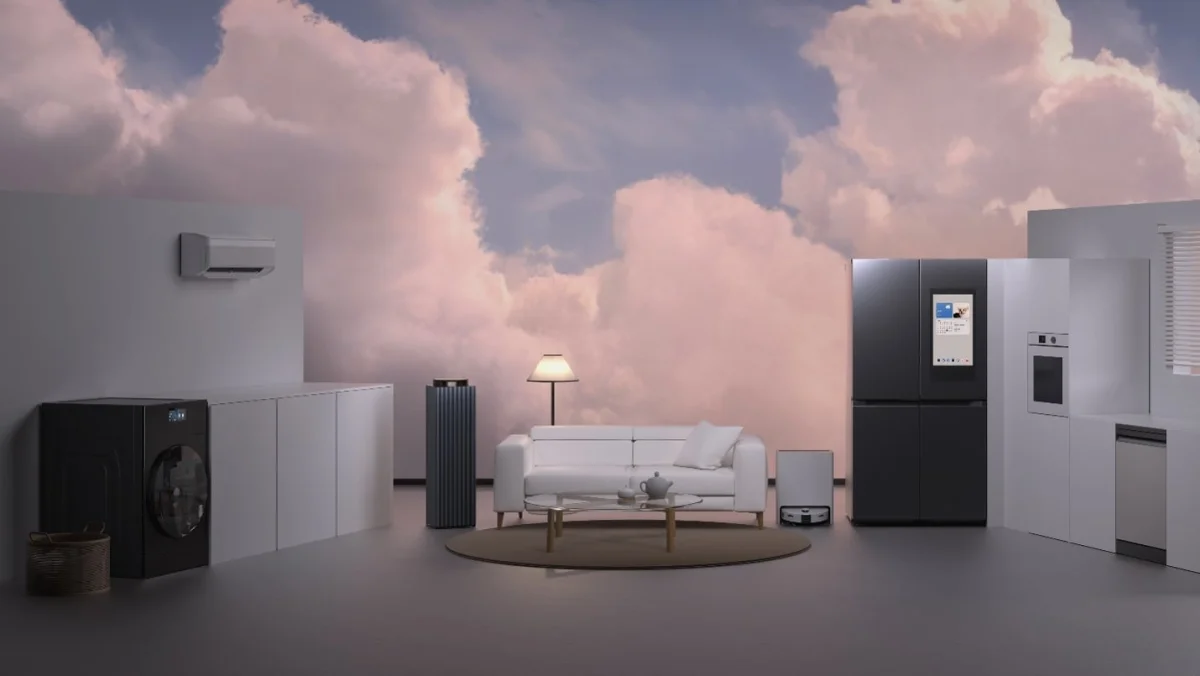
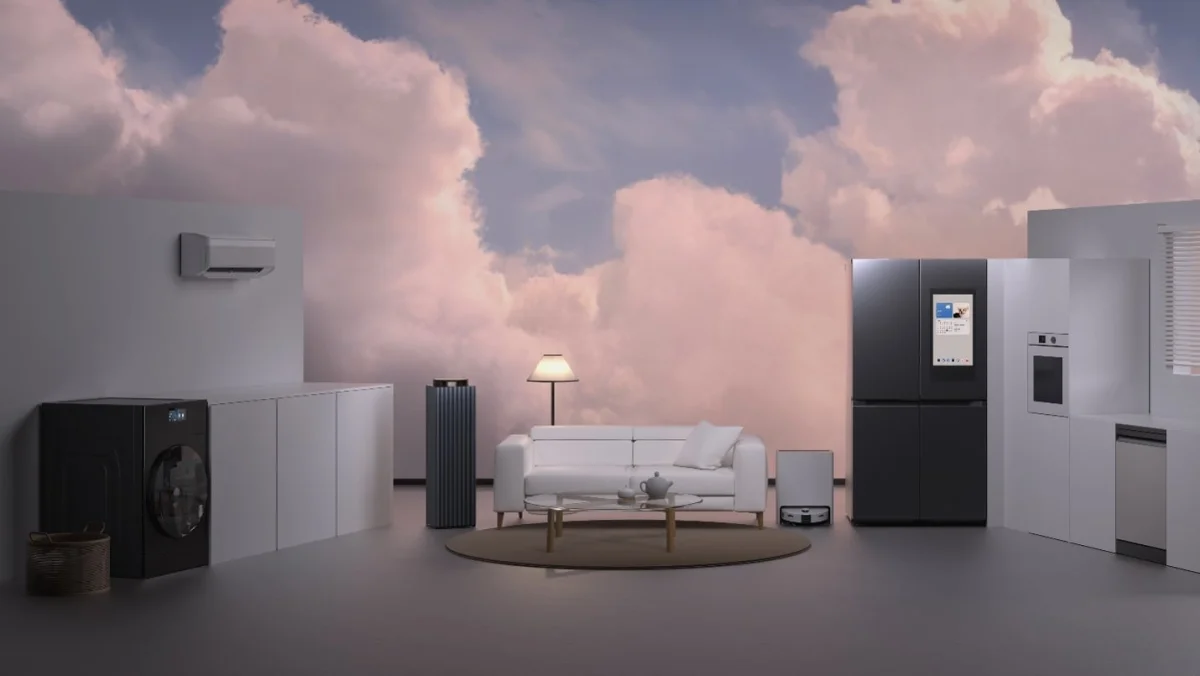
Samsung's SmartThings platform now counts 470 million registered users worldwide, and the pitch is simple: run the house from one app instead of juggling a separate tool for every gadget. Samsung says the app can control, monitor and automate rooms from a smartphone, tablet, smartwatch or TV. For anyone whose home has grown into a mix of brands, that consolidation matters more than the headline number.
Setup is a QR code, not a networking project
Adding a compatible Samsung device means scanning the QR code on the product and following the on-screen steps. You skip the manual network configuration that has tripped up plenty of smart home buyers, and Samsung claims devices start talking to each other within seconds. I'd treat "seconds" as the best case. Real-world times depend on your Wi-Fi, the device and how crowded your network already is, but the QR route is clearly designed to remove the friction that usually kills a smart home project halfway through.
The platform isn't limited to Samsung hardware. According to the company, it supports equipment from more than 300 third-party brands, which can be added directly inside the app and folded into daily routines. That's the part that changes the buying calculation. If SmartThings works with the lights, blinds and appliances you already own, you're not forced into a full replacement cycle to get a unified dashboard. Compatibility lists are always worth checking device by device, though, because "supported" can mean anything from full control to basic on/off.
Nuno Parreira, General Manager of Samsung Portugal, argues that many people still see a smart home as something hard to use. The company's stated goal is to get different products working together in a single app, "one click away," in his words. Whether that promise holds up depends on how smoothly the third-party integrations behave over months of use, not on the first afternoon of setup.
Routines, alerts and the energy angle
The everyday payoff is in small actions. You can adjust a room's temperature from the sofa, open or close blinds and lights remotely, or get a phone alert when the washing machine finishes its cycle. Routines can shift the home's settings based on the time of day, linking entertainment, work and appliance management without constant manual input. That's where a platform like this earns its keep: the value comes from the things you stop thinking about.
The energy side is more interesting, and arguably more useful for budgeting. The SmartThings Energy module breaks down what each connected device consumes and projects estimated costs, which gives you a running picture of where the electricity bill is going. For households that have never looked past the monthly total, a per-device view can be eye-opening. A washing machine that runs a hot cycle every day tells a different story than a TV left on standby.
Samsung also highlights AI Energy Mode, built into some of its appliances. The company describes it as analysing usage patterns to cut electricity waste without compromising how the equipment performs. SmartThings Energy can show the savings it generates. I'd still want to see independent measurements before counting on specific percentages, since the actual result will depend on how you use the appliance and what the baseline was. What Samsung has described, at least, is a feature that works in the background rather than asking you to change habits.
Family care and the data question
The Family Care option uses data from mobile devices linked to the SmartThings account to help you keep track of relatives or pets from a distance. It's a feature that makes sense in a connected home, and it's also the one that deserves the closest look before you switch it on. Location-style tracking raises obvious questions about who can see what, how long data is kept and who in the household has access. Read the permission screens carefully, and agree on the rules with everyone whose phone is involved.
And yet, that's the trade-off with almost every platform that tries to be the single front door for a home. The more devices and people it connects, the more useful it gets, and the more important it becomes to understand the settings. Samsung's pitch is convenience. My read is that the 470 million figure signals the company is betting a large share of households will accept that trade-off in exchange for one app that actually works across brands. Watch whether the third-party list keeps growing and whether the energy reporting becomes something people use every month, not just during the first week.