First day cover ·
Five Gaming Headsets Worth Buying in 2026, From $100 to $399
Five gaming headsets from $100 to $399, tested for positional audio, microphone clarity, comfort and connectivity, with notes on who each one suits.
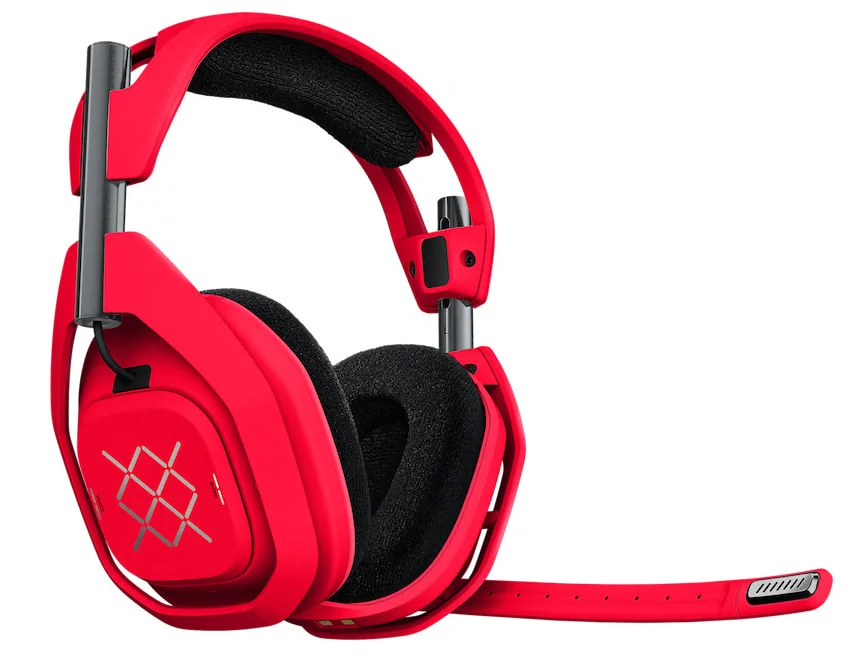
Gaming headsets have borrowed heavily from the audiophile world this year. Audeze expanded its planar magnetic range with the Maxwell 2 and Maxwell 2 ANC, and Beyerdynamic added an open-back model, the MMX 130 Wireless. The gap between a headset built for games and one built for music keeps shrinking. Buyers no longer have to accept poor music playback just because a headset includes a boom mic and a light show. My read is that there's more real choice at most price points than the category used to offer.
What we actually judged
Spec sheets and marketing copy are a poor guide to what a headset feels like after a six-hour raid. So our picks come from sustained use rather than a quick listen. Many of the headsets here were used for 12 months or longer, across PC and console, in competitive multiplayer and in slower single-player games. A few more formal write-ups are still in progress, but the shortlist reflects months of daily use.

We looked at positional accuracy, directional cues, bass impact, microphone clarity, wireless latency, connection stability and cross-platform compatibility. We also checked how each headset handled music and movies, because most people use these for more than games. Comfort, battery life, build quality and durability carried as much weight as sound. The winners aren't automatically the most expensive or the most feature-heavy. They're the ones that kept performing once the novelty wore off.

The picks
HyperX Cloud III ($100)
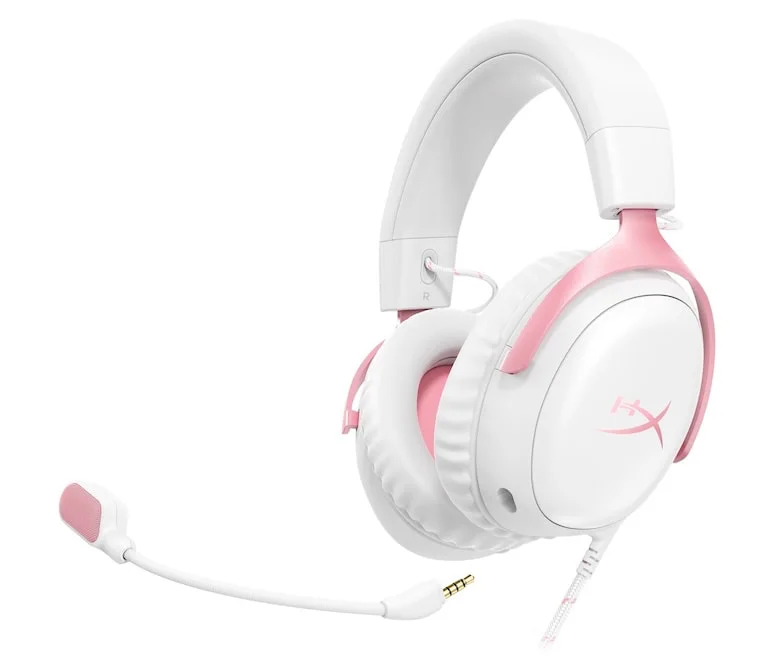
The HyperX Cloud III is a wired, closed-back headset with angled 53 mm dynamic drivers, a detachable 10 mm noise-cancelling microphone and DTS Headphone spatial audio on supported platforms. The aluminum frame, memory foam padding and 320-gram weight make it a comfortable companion for long sessions. It connects through 3.5 mm, USB Type-C and USB-A, so it works with PCs, PlayStation, Xbox, Nintendo Switch and mobile devices.

The sound is balanced, with clear dialogue and solid bass. The virtual surround processing is less convincing than the stereo presentation, so I'd leave spatial audio off unless you've tested it against your own setup. This is the headset I'd hand to someone who wants a dependable, no-fuss pick. It doesn't do wireless or elaborate software, and it doesn't need to.

Beyerdynamic MMX 130 Wireless ($180)
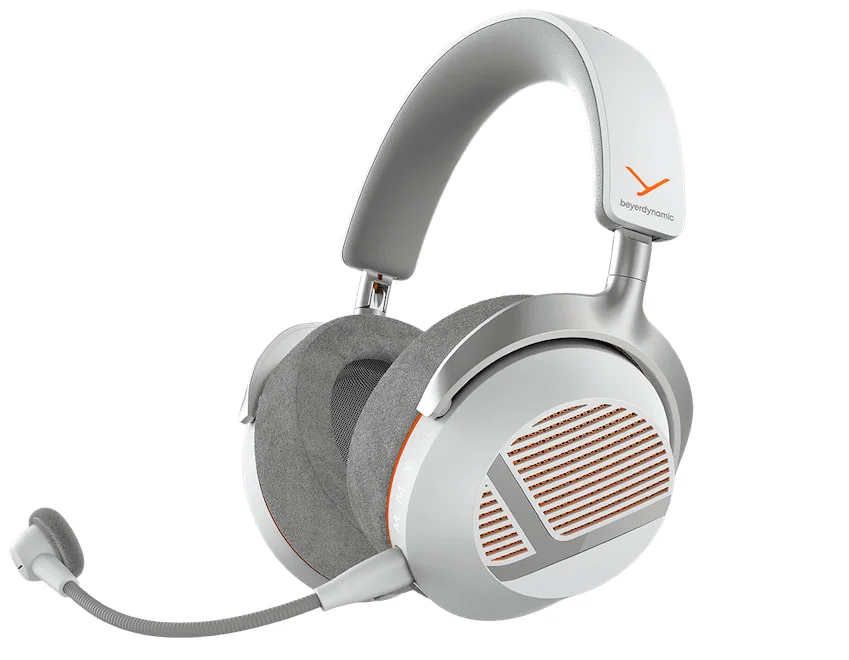
Beyerdynamic brings its audiophile background to gaming here, with an open-back design, 40 mm titanium-coated dynamic drivers and a detachable META VOICE microphone. Connectivity covers Bluetooth 6.0, low-latency 2.4 GHz wireless, USB Type-C and analog, which makes it easy to move between a console, a laptop and a phone. At 265 grams it's light, and the breathable velour earpads are among the most comfortable in this group.

The replaceable battery is a real advantage. Beyerdynamic claims more than 80 hours of playback, and a swappable cell means that figure matters less over the years. The trade-off is isolation. The open design sounds spacious, but sound leaks out, so this suits a quiet room or a shared space more than a noisy one. If you split your time between gaming, calls and music, it's one of the few headsets that handles all three without feeling like a compromise.

Audeze Maxwell 2 ($329/$349)
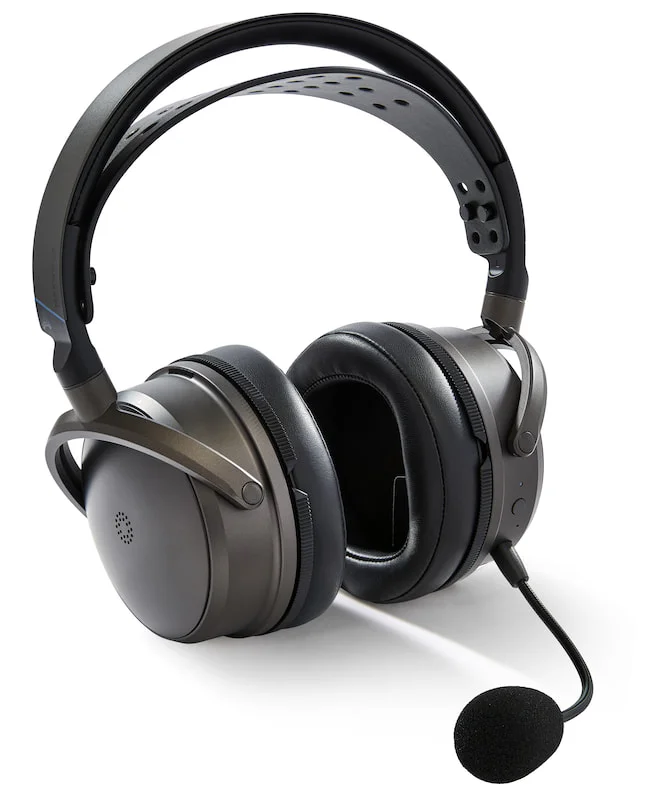
The Maxwell 2 uses 90 mm planar magnetic drivers, Fluxor magnet arrays and Audeze's SLAM technology, which the company positions as a way to improve bass control and spatial accuracy. Bluetooth 5.3, low-latency 2.4 GHz wireless, USB Type-C and 3.5 mm give it plenty of routes into different devices. Audeze quotes battery life above 80 hours. The detachable Shure boom microphone includes AI noise reduction, and the earpads and headband have been redesigned for comfort.

Weight is the catch. At 560 grams it's a heavyweight, and that shows up in longer sessions even with the revised headband. Sonically, the planar drivers deliver clarity and controlled bass, with precise cues that serve competitive shooters and slower open-world games alike. It's the wireless option I'd choose if sound quality sits at the top of the list and I can live with the heft.
ASUS ROG Kithara ($300)
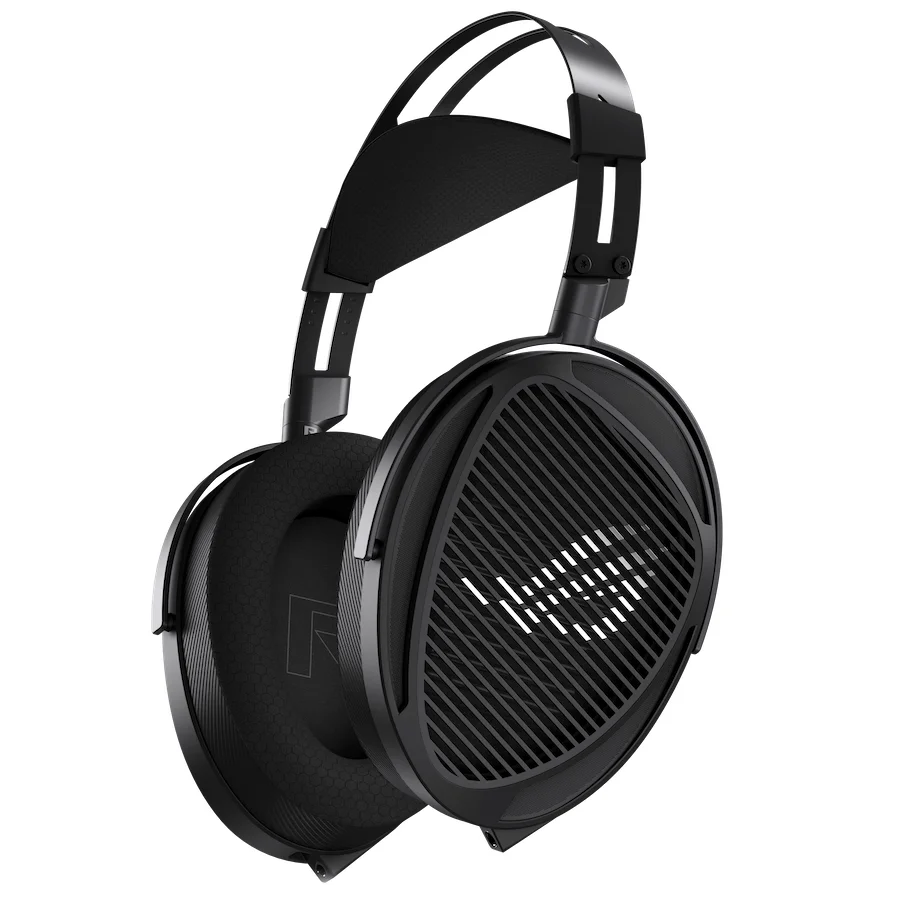
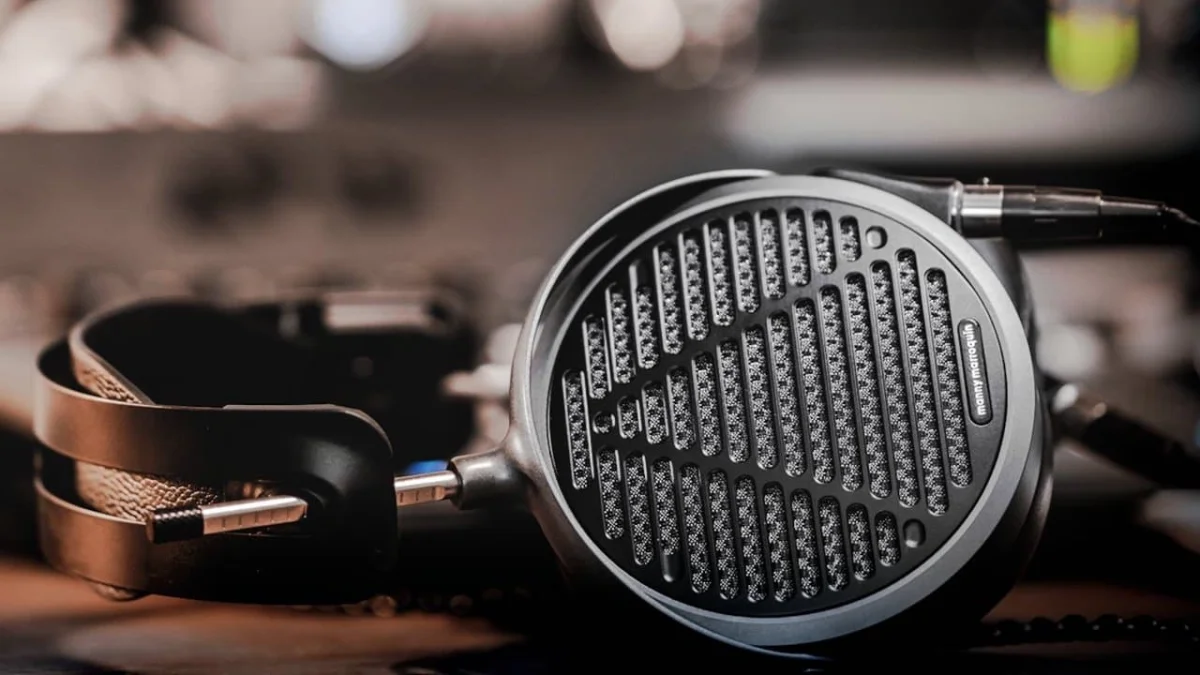
The Kithara is the most audiophile-leaning headset in this group. ASUS built it alongside HiFiMAN and gave it 100 mm planar magnetic drivers in an open-back design. The result is fine detail, quick transients and a wide soundstage with accurate imaging, which is exactly what you want when you need to hear footsteps before you see them. The wired headset has a detachable MEMS boom microphone, a 16-ohm impedance rating, and interchangeable 3.5 mm, 6.3 mm and balanced 4.4 mm connections.

It's relatively heavy at 420 grams, and the open back gives you almost no isolation. Bass is more restrained than on many gaming headsets, so if you like a thumping low end, you'll notice. Still, clarity, separation and balanced tuning make it work for competitive play and for serious listening. At $300, it's one of the more convincing crossovers between the two worlds, and ASUS chose to focus on sound rather than wireless features or extra software.

Logitech G Astro A50 X ($399)
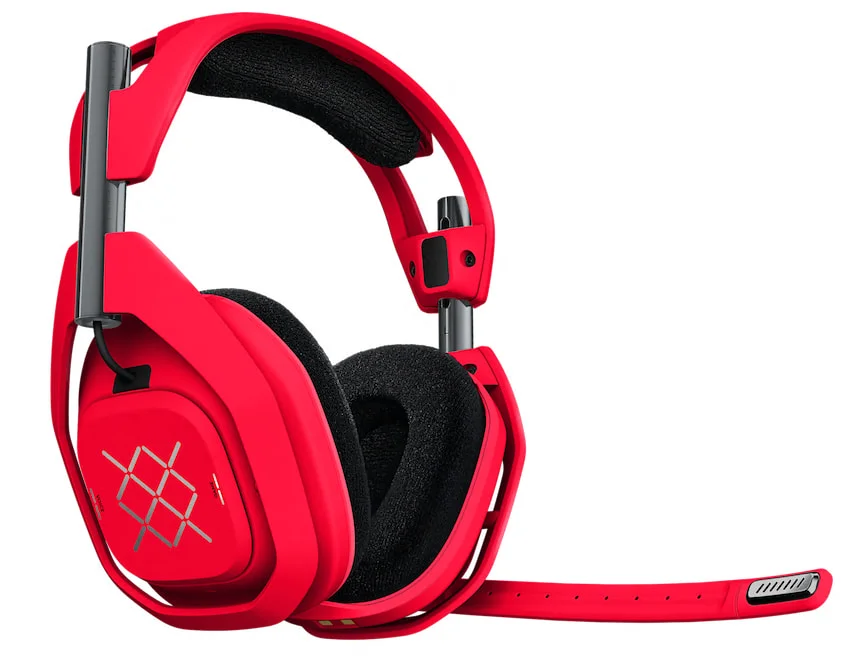
The A50 X is the premium pick, and its appeal depends on how many consoles and PCs you own. It has 40 mm PRO-G graphene drivers, LIGHTSPEED wireless, Bluetooth and a broadcast-quality boom microphone. The PLAYSYNC base station connects to PlayStation 5, Xbox and PC at the same time, and its HDMI 2.1 switching supports 4K/120Hz, VRR and ALLM. Once you've set it up, you aren't swapping cables or re-pairing headsets every time you change machines.
The headset weighs 363 grams and comes with a magnetic charging dock, with Logitech citing up to 24 hours of battery life. The catch is portability. Away from the base station, the system is much less practical, so it's best for a fixed setup. For a multi-console household, it's one of the most convenient premium options available, and few rivals offer this level of integration. If you only play on one machine, the money is hard to justify.
Where this leaves buyers
Start with your main use. A competitive player who games on one PC will get the most out of the Kithara or the Maxwell 2, depending on whether they want wired simplicity or wireless freedom. Someone who wants one headset for games, calls and music should look hard at the MMX 130 Wireless. A household juggling several consoles will find the A50 X's base station worth its price. And if you want the most sensible entry point, the Cloud III still does the fundamentals well.

The practical details matter more than they used to. Replaceable batteries, swappable earpads and detachable microphones extend a headset's life, and they're worth weighing against a slightly lower sticker price. Watch for open-back models if you share a room, and check the weight, because a headset that feels fine for an hour can become tiresome by the third. Test comfort before you commit, and expect the best models to keep earning their place long after launch day.
Some of the picks in this list are backed by full reviews, and others are still being tested. Prices and availability can vary by region and retailer, so check current listings before buying.