First day cover ·
Best Studio Headphones of 2026: Our Picks for Mixing, Tracking and Monitoring
Our 2026 studio headphone picks span Sony's long-running MDR-7506, two Beyerdynamic closed-backs and Audeze's MM-100, with the trade-offs behind each.

Studio headphones and audiophile headphones keep moving closer together, but they still want different things. A pair that makes every recording sound wonderful is often the wrong tool for finding the problems in a mix. This year's crop of monitors reflects that tension, with manufacturers focusing on tonal accuracy, low-frequency control and comfort for long sessions.

What's changing in 2026
Several new launches show where the category is heading. Audeze introduced the MM-520 with its SLAM technology, Sennheiser expanded its pro range with the closed-back HD 480 PRO, and ADAM Audio entered the premium open-back market with the H715 Reference. Each targets engineers who want a reference-style sound without the tuning quirks that flatter a recording.

Calibration and room simulation are the other big story. Beyerdynamic launched HEADPHONE LAB software, ADAM Audio worked with Sonnox on calibration tools, and OLLO Audio announced the X2, which pairs individual headphone measurements with correction software. These tools matter most to engineers working from home, in smaller production spaces or in temporary setups where a treated room and high-end studio monitors aren't realistic. Here's the thing: software can smooth out a headphone's behaviour, but it can't fix bass that's inaccurate to begin with. Bass extension, reliable imaging and mixes that hold up on other playback systems still come first.

Serviceability is getting more attention too. Professional headphones are working tools that can see years of daily use, so replaceable earpads, cables, drivers and headband parts matter as much as headline specifications. That's a welcome shift. A headphone you can refresh instead of replace is a better long-term bet for a studio, even if its spec sheet looks less exciting.

How we tested
Every pick here was reviewed in depth and then used extensively, in most cases for a year or longer. Testing ran through professional audio interfaces, desktop DACs, headphone amplifiers and portable sources. We focused on tonal accuracy, bass extension, resolution, imaging and how well each model exposes problems in recordings and mixes.

We used the headphones for extended monitoring, recording evaluation and editing, and compared them against familiar reference headphones and studio monitors. Comfort, isolation, sound leakage, build quality and serviceability all counted. The winners aren't necessarily the headphones that make everything sound best. They're the ones we'd trust to show what's actually in the recording, consistently and without much colouration.

The picks
Sony MDR-7506
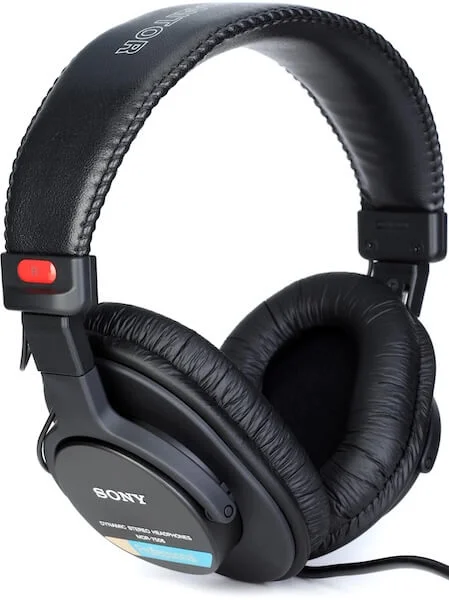
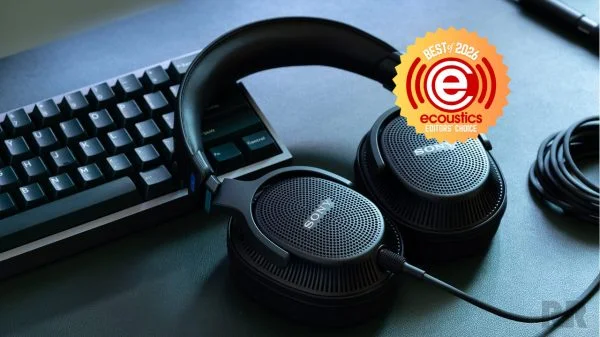
At $115, the Sony MDR-7506 has been a studio staple for more than 35 years, and it's still the budget answer many engineers reach for. Its 40 mm dynamic drivers give a clear midrange, forward treble and enough bass for tracking, editing and spotting problems. The lightweight 230-gram folding design, 63-ohm impedance and effective passive isolation make it practical for studio and location work.

The trade-offs are real. The cable is fixed and coiled, and the earpads age. The reviewers were clear that the MDR-7506 isn't the most accurate or resolving option available. Its revealing upper midrange, though, is useful for catching vocal issues, distortion and recording flaws, and few models have stayed this consistent for three decades. Sony's newer MDR-M1 is technically stronger by the reviewers' measure, but the MDR-7506 remains hard to beat at $115.

Beyerdynamic DT 700 PRO X
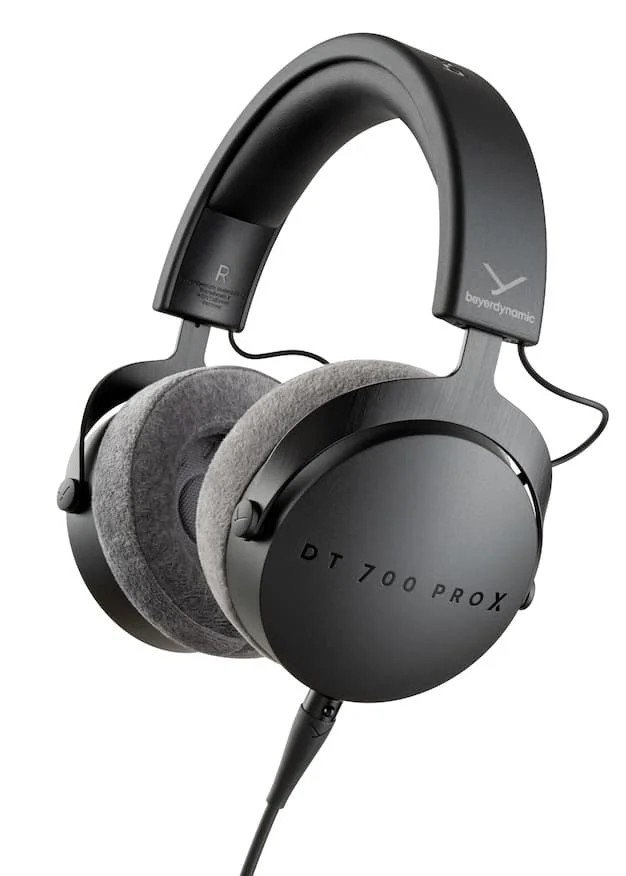
The DT 700 PRO X costs $319 and is a German-made closed-back design with 45 mm STELLAR.45 drivers, 48-ohm impedance and strong passive isolation. Its controlled bass, detailed midrange and smoother treble suit recording, monitoring and mixing. Beyerdynamic's emphasis on serviceability shows in the detachable Mini-XLR cable, replaceable drivers, velour earpads and padded headband. At 350 grams it's substantial, but the reviewers found it comfortable over long sessions.

Compared with the older DT 770 PRO, the reviewers found improved bass extension, more spacious imaging and a less aggressive treble. For studios where headphones get heavy daily use, that combination of isolation, clarity and replaceable parts is the selling point.

Audeze MM-100
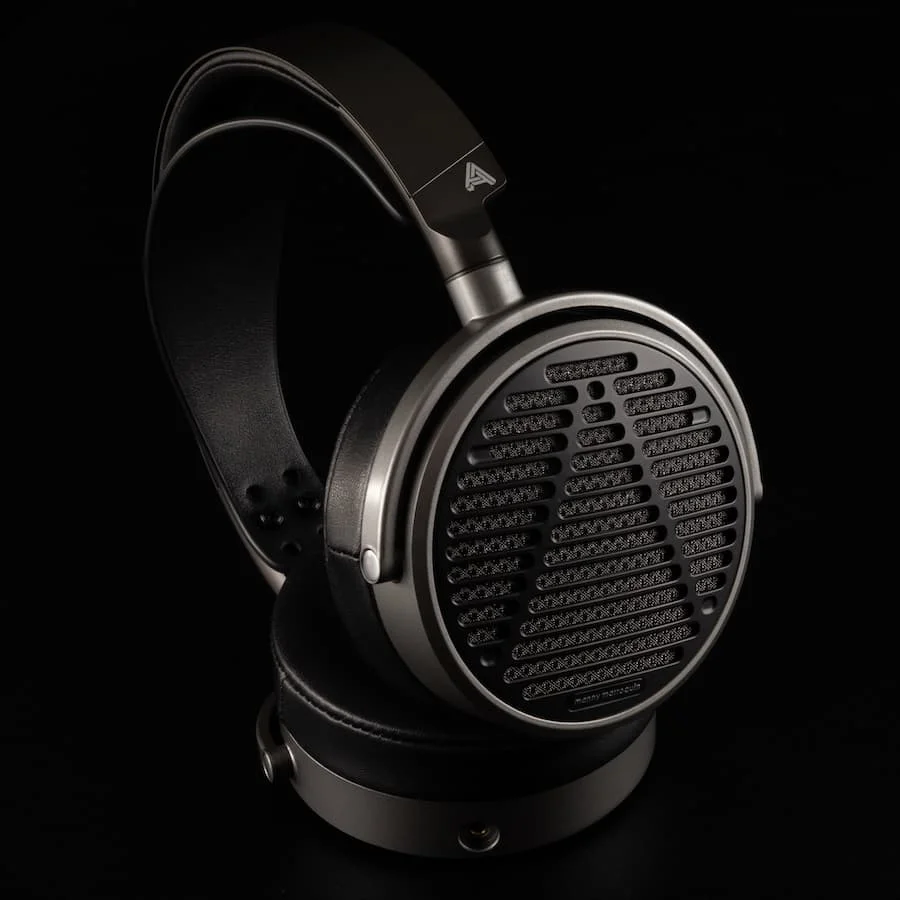
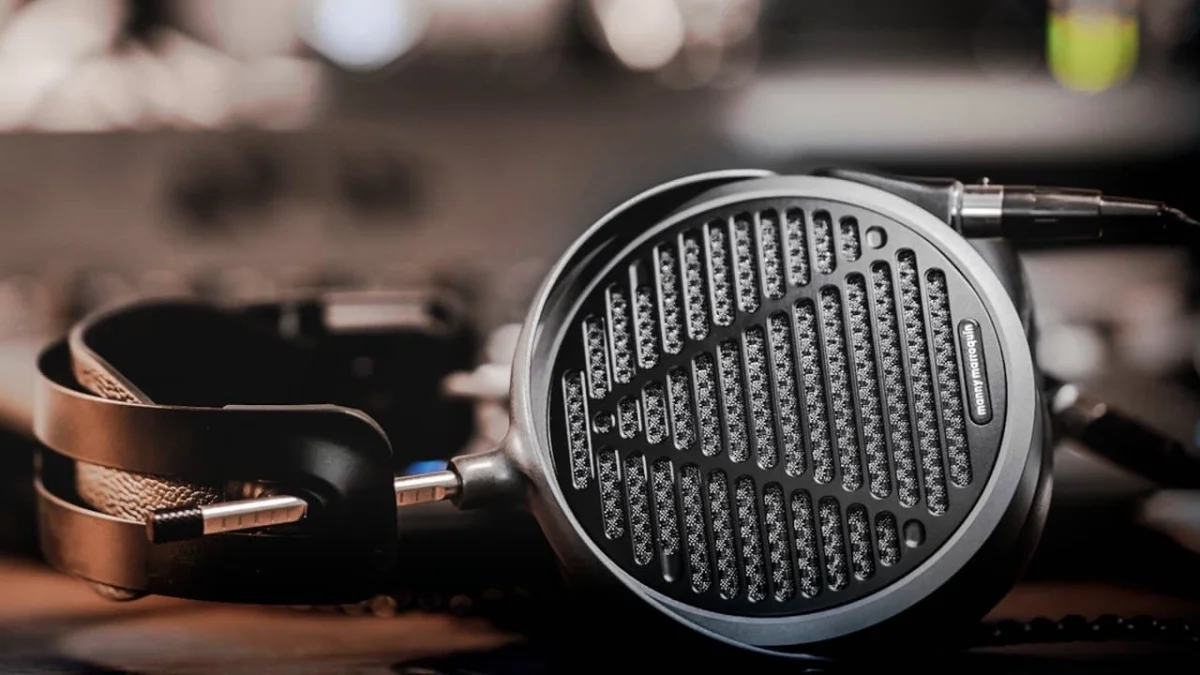
The MM-100 is the one that stands out in this list. At $399, it uses 90 mm planar magnetic drivers with Uniforce diaphragms and Fluxor magnet arrays, and it was developed with Grammy-winning engineer Manny Marroquin. The open-back design delivers controlled bass, strong midrange clarity and revealing detail. It weighs 475 grams thanks to its aluminium, magnesium and steel construction, and the suspension headband keeps that weight manageable over long sessions. The 18-ohm impedance means it works with capable audio interfaces and desktop headphone amps.

It's the only pick on the list that also earned an audiophile-category recognition, which is why it's the only double Editors' Choice winner for 2026. Its tonal accuracy, low distortion, resolution and build quality make it one of the strongest pro monitoring values under $400, and it's convincing for both evaluating recordings and enjoying music afterward.

Beyerdynamic T5 3rd Generation
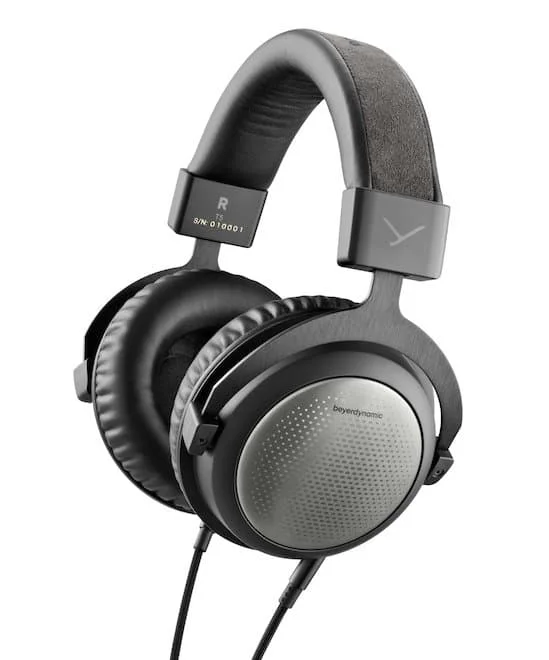
The T5 3rd Generation is the most expensive pick at $999, a flagship closed-back handcrafted in Germany. It uses angled Tesla dynamic drivers and has a 32-ohm impedance and good passive isolation. The reviewers described its tuning as controlled in the bass, natural in the midrange and detailed in the treble, with imaging that's unusually open for a closed-back. It weighs 360 grams and combines an aluminium build, replaceable memory foam earpads and detachable OCC copper cables. It's also easy to drive from professional interfaces and quality portable sources.
Our reviewer praised its resolution and accurate imaging, and noted that it reveals recording details without sounding clinical or fatiguing. Beyerdynamic has decades of experience in monitoring headphones, and the T5 shows what that engineering can do at the top of the range. If your room and workflow demand a closed-back that also rewards critical listening, it's the most rewarding pick here, though the price is the obvious hurdle.

The one that missed the cut
The Audeze MM-500 would have earned another award this year had it not been discontinued. Its replacement, the MM-520 at $1,699, hadn't been tested at the time of publication, so it wasn't eligible. Keep an eye on that one, because the SLAM technology in the MM-520 is the kind of new idea that could shift the picture for planar studio headphones.
Where this leaves buyers
For a budget tracking and editing headphone, the MDR-7506 is still hard to beat. For a closed-back that handles daily abuse with replaceable parts, the DT 700 PRO X makes a strong case. The MM-100 is the value pick for anyone who wants planar performance without a four-figure bill, and the T5 3rd Generation is for engineers who want the top of Beyerdynamic's range and can justify the cost. Watch the calibration tools and the newer planar and open-back launches over the coming months, since they may matter more to your mixes than any single headphone's spec sheet.