First day cover ·
Best Wired Audiophile Headphones of 2026: 18 Picks Across Closed and Open Back
Eighteen wired headphones tested over a year, from the $150 AKG K371 to the $6,000 Meze ARTA, with notes on who each one suits.


Where the value sits in wired headphones this year
The gap between a $400 headphone and a $2,000 one is narrowing. That's the clearest pattern across this year's wired models. Affordable dynamic designs have improved noticeably, planar magnetic drivers have become more refined, and a handful of flagships are pushing into territory that used to feel out of reach. Yet manufacturers are also releasing $5,000-plus models, so the top of the market is stretching in the other direction. Spend more and you don't automatically get better sound. Some of the strongest picks on this list cost less than a mid-range phone.

Picking winners is harder than it used to be, because sound quality is only one part of the decision. Tonal balance, resolution, imaging, bass control, comfort, amplification needs and durability all pull in different directions. A headphone can sound superb on a desktop amp and thin on a phone dongle. Another might be a little less detailed but far easier to live with for three-hour sessions. The models we kept coming back to were the ones that stayed engaging after the novelty wore off, not just the ones with the most impressive spec sheet.

Repairability is also moving up the priority list. Pressure from European repair rules and right-to-repair initiatives elsewhere is pushing makers away from disposable construction, and that matters more as prices climb. Replaceable earpads, cables, headbands and drivers are no longer a nice extra on headphones that can cost hundreds or thousands of dollars. A headphone that sounds magnificent but dies because one proprietary part failed is a poor investment, however good it looked on paper.

How we tested
Every headphone here has been in regular use for at least 12 months, and most for longer. Some first appeared at CanJam, where first impressions turned into formal reviews, and those reviews were followed by extended comparisons. We ran the full set through dongle DACs, portable players, desktop headphone amplifiers and complete DAC/amp combinations, so the recommendations reflect how each model behaves across different levels of source and power.

Testing happened in real life as much as in a listening room. The headphones went through work sessions, commutes, gaming, travel, holidays and long listening blocks. We tracked comfort, durability, isolation, sound leakage and day-to-day usability alongside sound. Some models impressed us on day one and faded; others improved the longer we lived with them. These awards reflect sustained performance rather than a few days with a review sample.

The order within each category runs from the lowest price to the highest.

Best closed-back headphones
AKG K371 ($150)
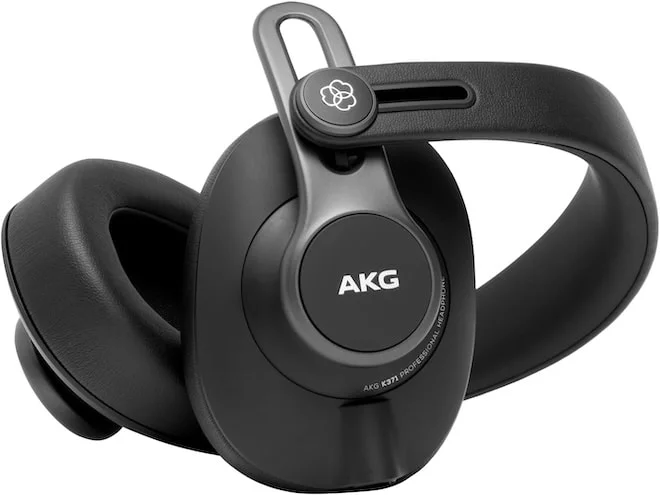
The AKG K371 remains one of the best-value closed-back studio headphones you can buy. Its 50 mm titanium-coated drivers offer extended bass, a natural midrange and smooth treble, which works for monitoring and for relaxed listening alike. At 255 grams it folds down and stays comfortable through long sessions. The 32-ohm impedance means it doesn't need serious amplification, so a dongle DAC or a phone is enough. The plastic build feels cheap, and the sound depends heavily on getting a good earpad seal. Those are the trade-offs. At $150, though, it delivers the tonal balance and clarity we'd expect from much pricier studio cans.
Beyerdynamic DT 770 PRO X ($229)
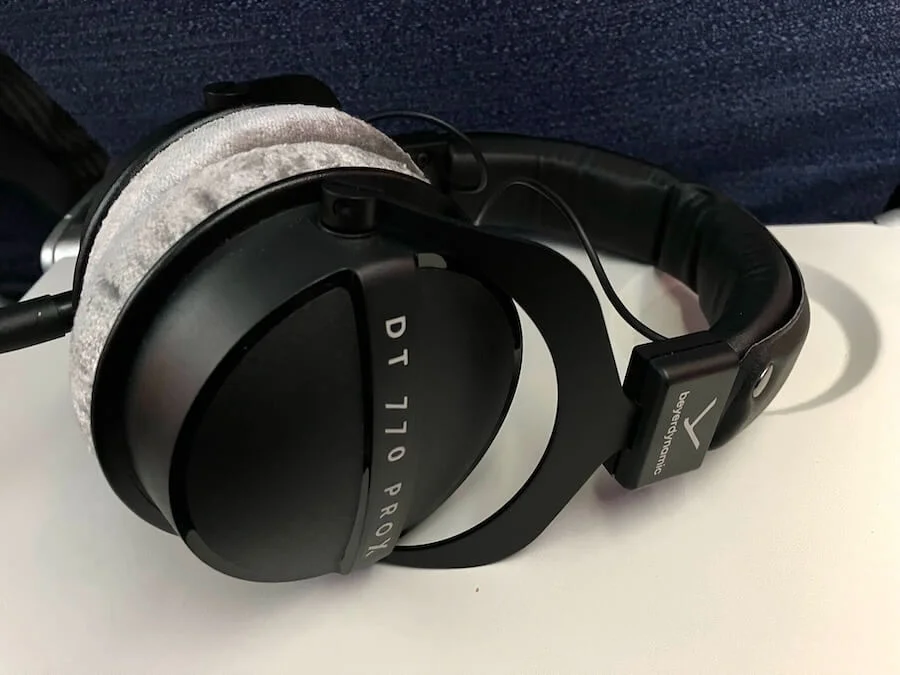
Beyerdynamic's update to its studio classic pairs 48-ohm STELLAR.45 drivers with a detachable Mini-XLR cable and replaceable velour earpads and headband padding. Made in Germany, the DT 770 PRO X gives controlled bass, plenty of detail and a spacious stage for monitoring and everyday listening. It's easy to drive from portable gear. The non-folding design is less convenient in a bag, but the build is rugged enough for travel. Ian White, our editor-in-chief, has taken them on at least 12 international trips since his review, and his verdict is that they've only grown on him. For under $230, the mix of comfort, durability and serviceability makes a strong case.

Meze Audio 99 Classics 2nd Generation ($349)
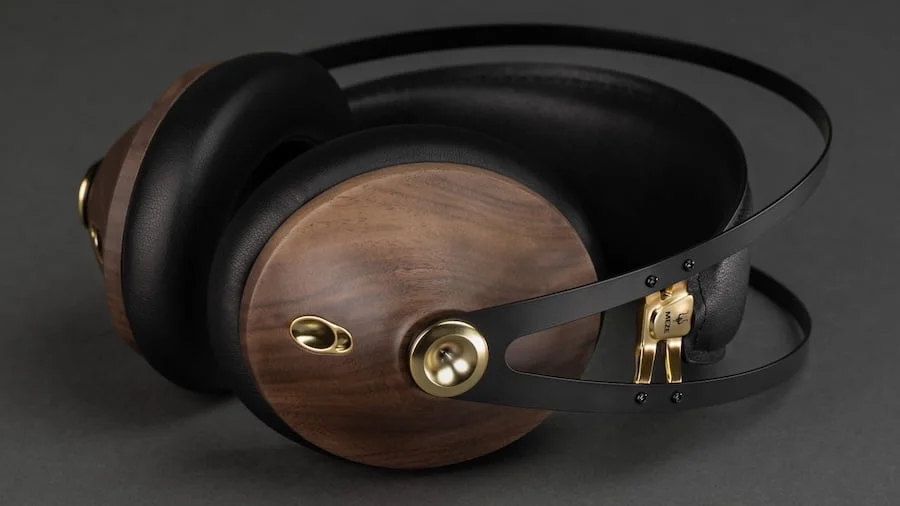
The second generation of the 99 Classics tightens up what made the original popular. The 40 mm dynamic drivers deliver tighter bass, a clearer midrange and more precise imaging, and the design sits more evenly balanced than the warmer first-generation tuning. Walnut earcups, a self-adjusting headband and replaceable parts keep the distinctive look and the serviceability. At 290 grams with a 16-ohm impedance, these are easy to drive, and a USB Type-C DAC adapter is included. Some of the original's lower-midrange warmth and bass punch have been traded away. Ian White had used the first version for close to a decade, and his view is that the gains in clarity, isolation and refinement justify that trade. For a long-term closed-back buy at $349, it's a sensible choice.

Sennheiser HD 620S ($399)
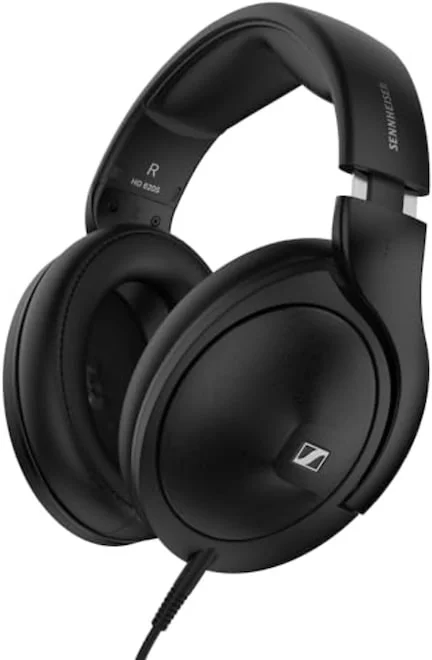
The HD 620S is for people who want open-back-style space with closed-back isolation. Its 42 mm angled dynamic drivers produce controlled bass, natural vocals and imaging that's wider than you'd expect from a sealed design. Steel reinforcement, a detachable cable and replaceable earpads help with durability. The 326-gram weight and synthetic leather pads can wear on comfort over long sittings. At 150 ohms, the headphone rewards a capable dongle DAC or desktop amplifier. For people who can't guarantee a quiet room, this one delivers much of the open-back experience without broadcasting every note to the rest of the house. It works for critical listening, gaming and casual music alike.

Focal Azurys ($599)
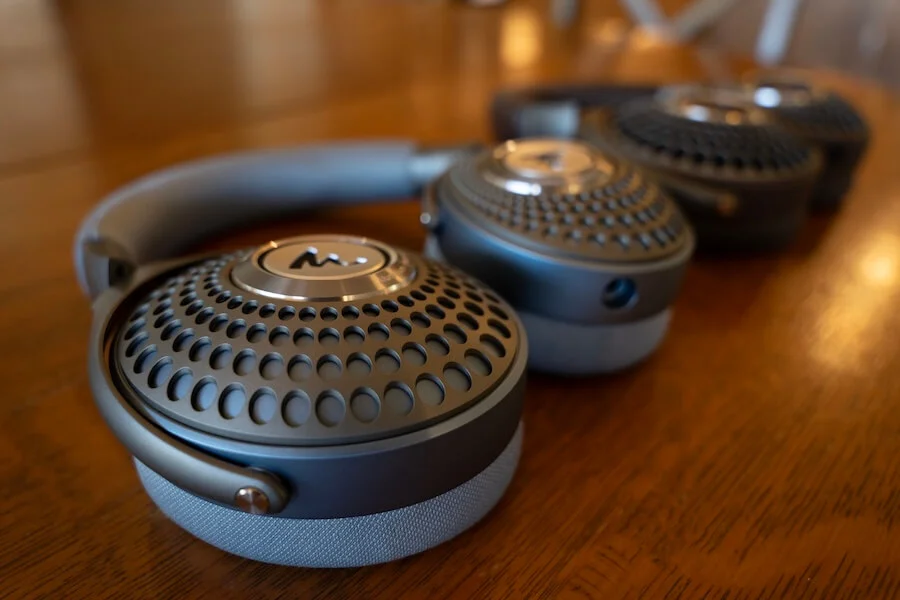
The Azurys uses 40 mm aluminum/magnesium M-shaped drivers, and that design gives it deep bass, strong dynamics, a detailed midrange and lively treble. Breathable fabric earpads and a detachable cable make it comfortable for long listening sessions and for travel. At 306 grams with a 26-ohm impedance and 100 dB/mW sensitivity, it performs well from dongle DACs and digital audio players. Passive isolation is moderate, and the energetic treble can turn fatiguing on bright recordings. Where it impresses most is in the sub-bass, which we found more textured and controlled than most closed-back dynamics at this price. Vocal clarity and instrument separation hold up well. The treble won't suit every listener, but the mix of musicality and build quality keeps it among our favorite closed-backs under $600.
Dan Clark Audio AEON CORE ($899)
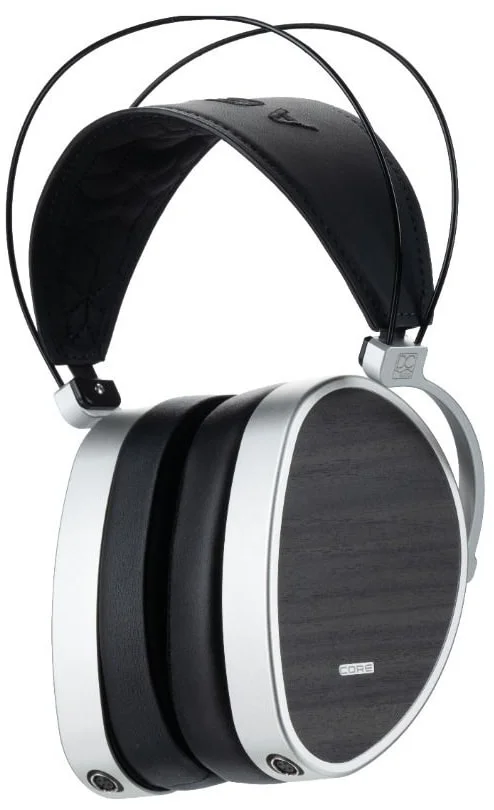
The AEON CORE replaces the AEON 2 with more efficient planar magnetic drivers, revised tuning and an aluminum and wood build. Its 17-ohm impedance and 94 dB/mW sensitivity mean a capable portable DAC/amp can drive it, although better amplification clearly pays off. The tuning follows a revised Harman target, giving controlled bass, a natural midrange and detailed treble without excessive brightness. Folding construction, a suspension headband and strong passive isolation make it practical at home and on the road. It was one of the standout headphones at CanJam London 2026. What impressed us most was the tonal balance and the spacious presentation, and it manages that without requiring the expensive amplification that Dan Clark's pricier closed-backs usually need. Under $1,000, it's one of the more convincing planar options for people who want closed-back isolation.

Dan Clark Audio E3 ($2,299)
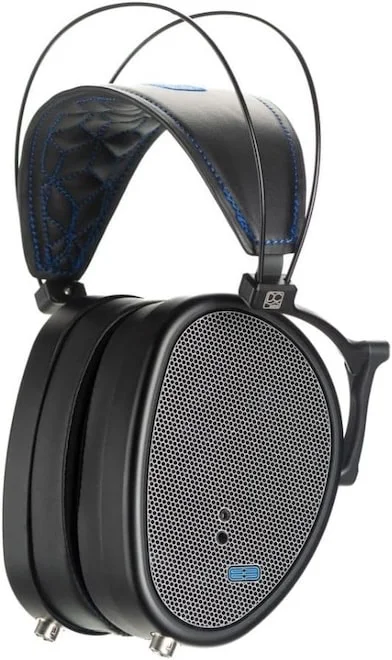
The E3 brings flagship Stealth technology to a more accessible closed-back planar design. Its fifth-generation V-Planar drivers and Acoustic Metamaterial Tuning System (AMTS) deliver exceptional resolution, controlled bass, a natural midrange and smooth treble. Gorilla Glass 3 earcups, folding construction and a suspension headband add durability and comfort, even at 455 grams. The 27-ohm impedance and 90 dB/mW sensitivity mean it benefits from powerful, high-quality desktop amplification. What sets it apart is the transparency and precise imaging usually associated with high-end open-backs, delivered with the privacy of a sealed design. It reveals subtle recording detail without tipping into analysis or fatigue. It costs a lot and needs good amplification, but for buyers who want that combination, few closed-backs at this level compete.
Best open-back headphones
Sennheiser HD 560S ($279)
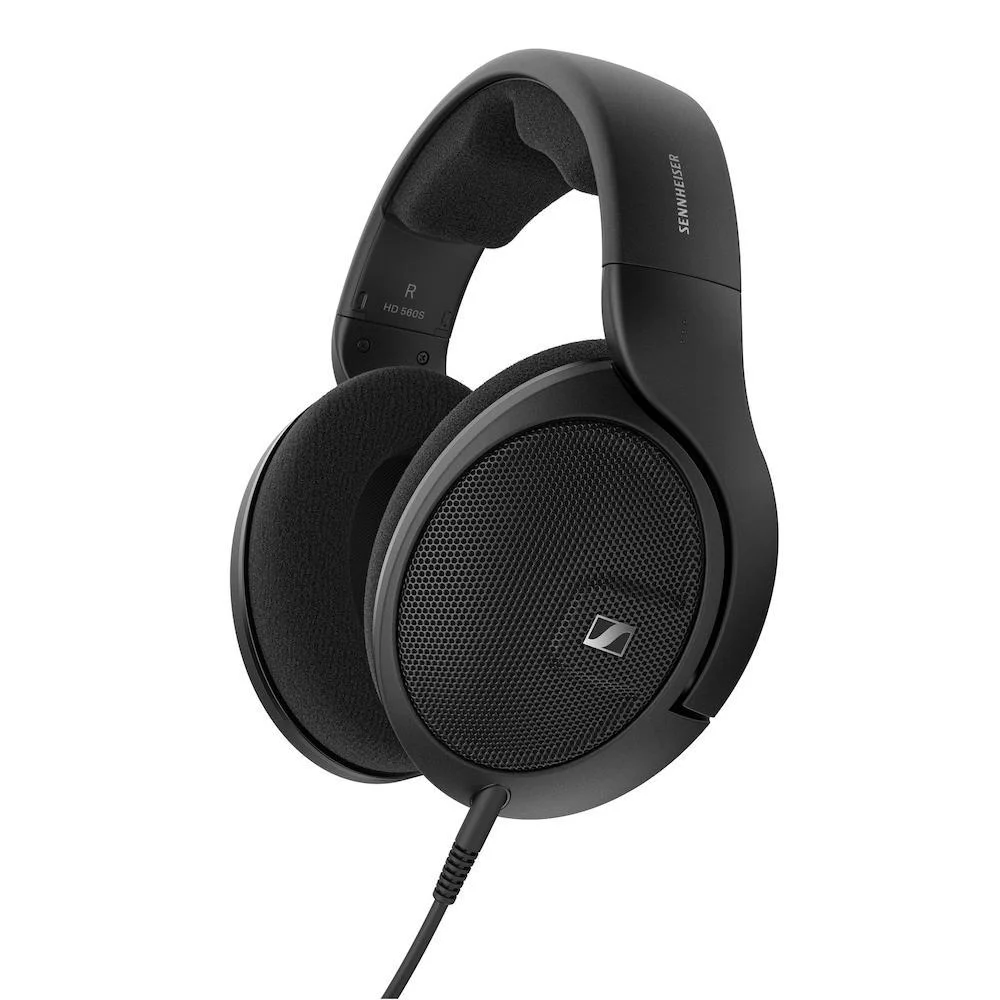
The HD 560S is still one of the best entry points into serious open-back listening. The 38 mm angled dynamic drivers, 120-ohm impedance and acoustically open cups give a neutral presentation with clear mids, articulate bass and a spacious stage. At 280 grams it's light, and the velour pads and detachable cable suit long sessions. It also handles gaming and basic mixing well. The upper treble is revealing enough to expose poor recordings, and the open design offers essentially no isolation. Few open-backs near $200 match its tonal accuracy and positional precision. It doesn't feel luxurious, but Sennheiser spent the budget on sound, and that's where it counts.

Audeze MM-100 ($399)
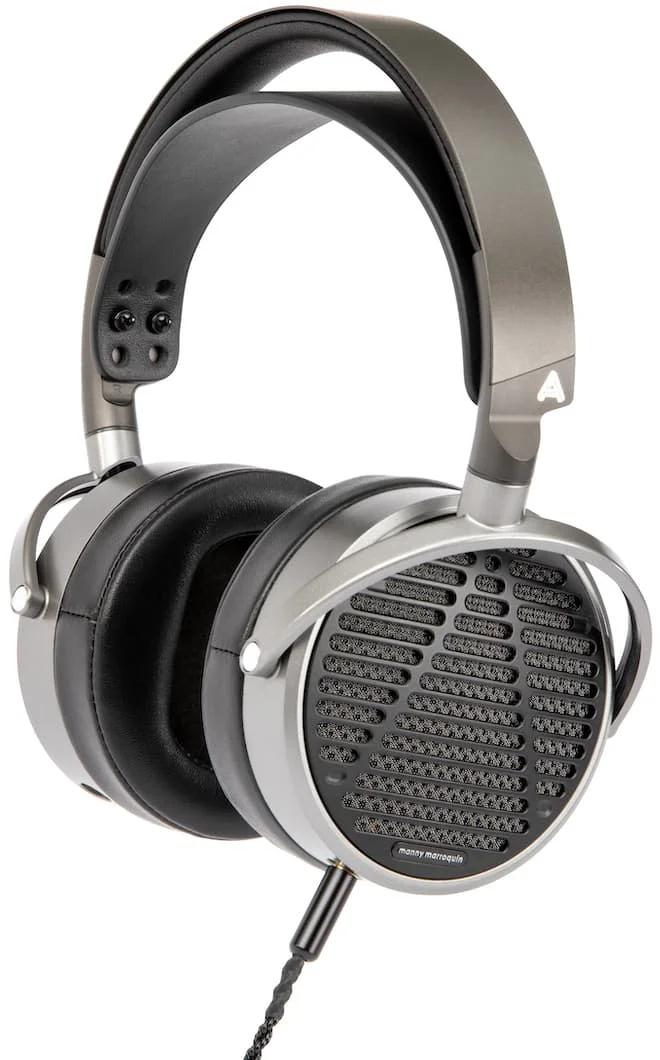
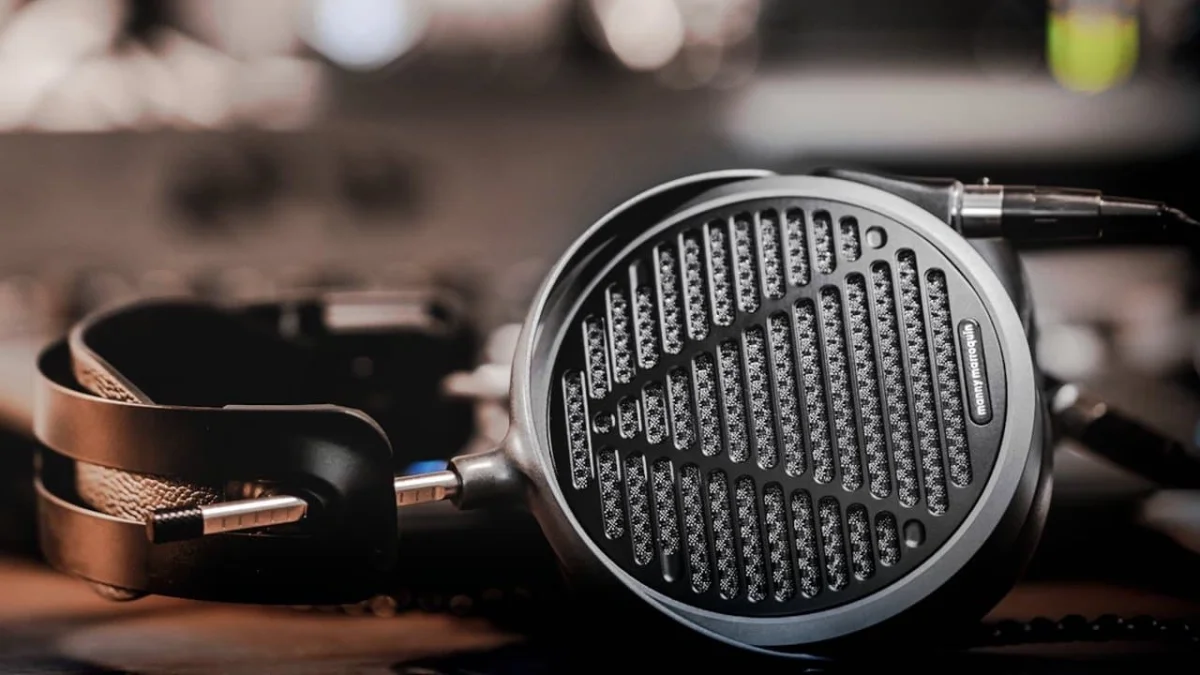
The MM-100 was developed with Grammy-winning engineer Manny Marroquin and combines studio performance with audiophile sound. Its 90 mm planar magnetic drivers use Uniforce diaphragms and Fluxor magnet arrays, and the aluminum, magnesium and steel build is robust. It weighs 475 grams, but the suspension headband keeps it manageable. With an 18-ohm impedance, it pairs well with capable dongle DACs and desktop amps. Bass is controlled, the midrange is articulate and resolution is excellent. The treble isn't perfectly neutral, which is the main caveat. It's the only product on this list to earn a double Editor's Choice in our 2026 coverage, winning in both the audiophile and studio categories. We couldn't find anything else at $400 that matches its planar detail, dynamics and build together.

THIEAUDIO Cypher ($399)
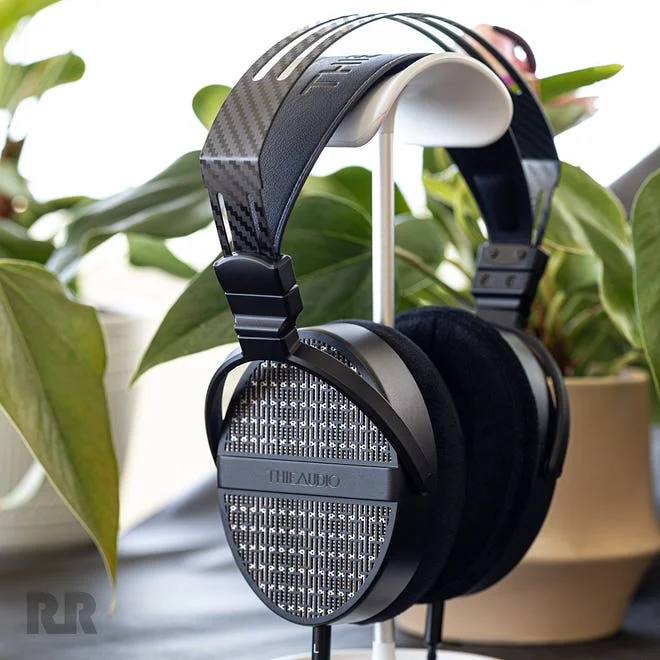
The Cypher is an open-back dynamic with a 50 mm driver whose diaphragm combines a semi-crystalline polymer and rubber composite. It has a 32-ohm impedance, an aluminum build and neutral tuning. The result is clear midrange, natural timbre, extended sub-bass and precise imaging. At 411 grams with detachable cables and magnetic velour pads, it's solidly built, but stiff yokes and firm headband pressure can make long sessions uncomfortable. A capable dongle DAC is enough to unlock most of its performance. Compared with the Sennheiser HD600, it offers a similar natural midrange but deeper bass and a wider soundstage. Comfort and long-term parts availability remain open questions, but THIEAUDIO has produced a full-size headphone that deserves a serious look.

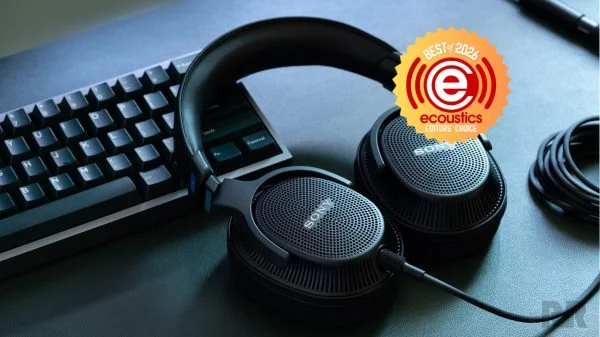
Sony MDR-MV1 ($419)
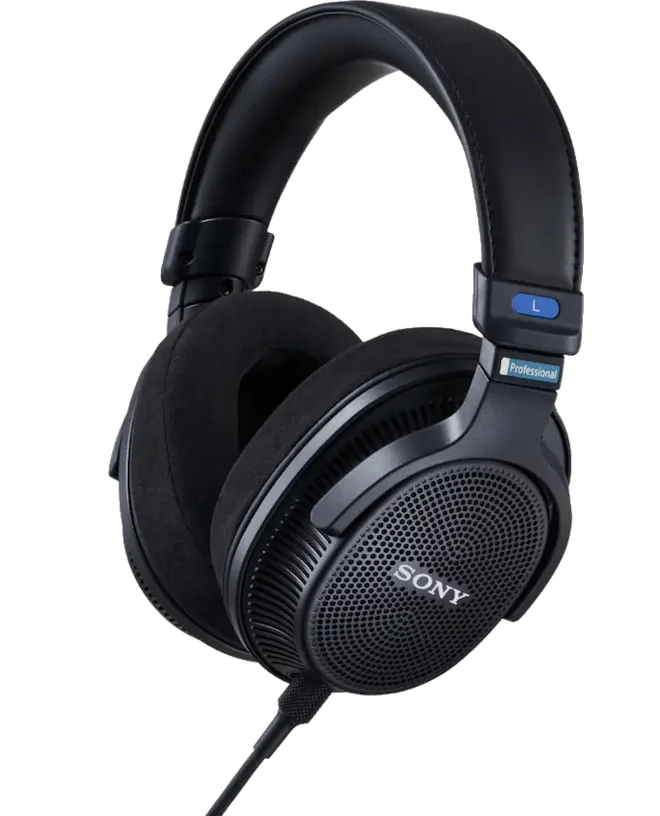
Sony positions the MDR-MV1 as wired, open-back reference headphones for professional mixing, spatial audio production and critical listening. The 40 mm dynamic drivers have a 5Hz-80kHz frequency response, a 24-ohm impedance and 100 dB/mW sensitivity, so they're easy to drive without a dedicated amp. At 223 grams with lightweight aluminum earcups and a detachable 2.5-meter cable, they're designed for long sessions. We found impressive sub-bass extension, controlled mid-bass, strong resolution and precise imaging, which make them equally useful for music and gaming. The mildly V-shaped sound adds energy without becoming fatiguing. They're among the most versatile open-backs in their class, and their bass performance surprised us.

Grell OAE2
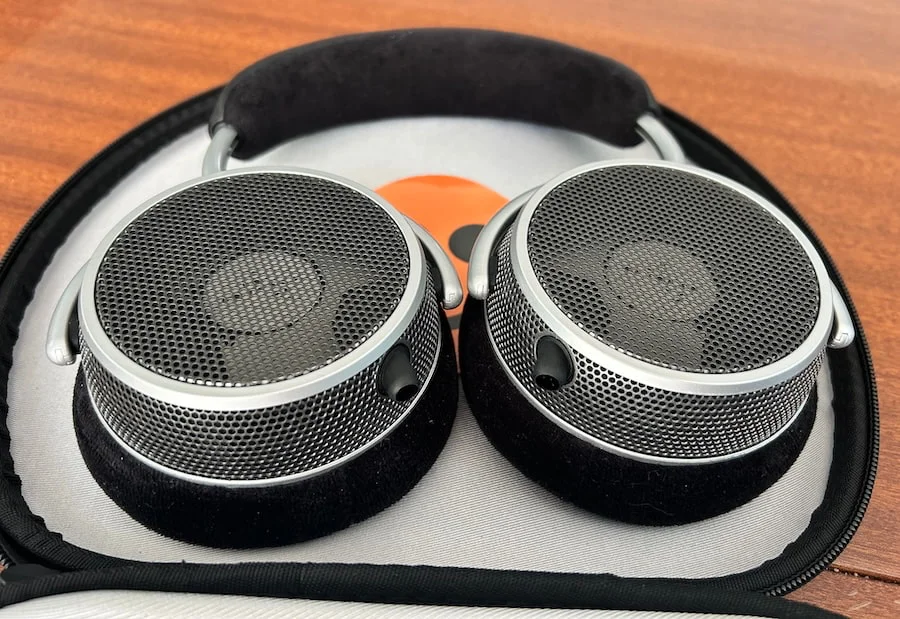
The OAE2 is an open-back with 40 mm bio-cellulose dynamic drivers, a 38-ohm impedance and 100 dB sensitivity. Designed by former Sennheiser engineer Axel Grell, the 378-gram headphone has a modular build, replaceable components and detachable 3.5 mm and 4.4 mm cables. It sounds neutral and detailed, with tight, articulate bass, natural midrange timbre and extended treble that doesn't get harsh. The defining feature is its forward-projecting imaging, which can place vocals and instruments in front of you instead of inside your head. That effect depends on the recording, but it's convincing when the material suits it. Comfort is less than perfect, especially at the headband. The spatial accuracy and tonal balance still make it a credible alternative to conventional open-backs.

Sendy Audio Egret ($799)
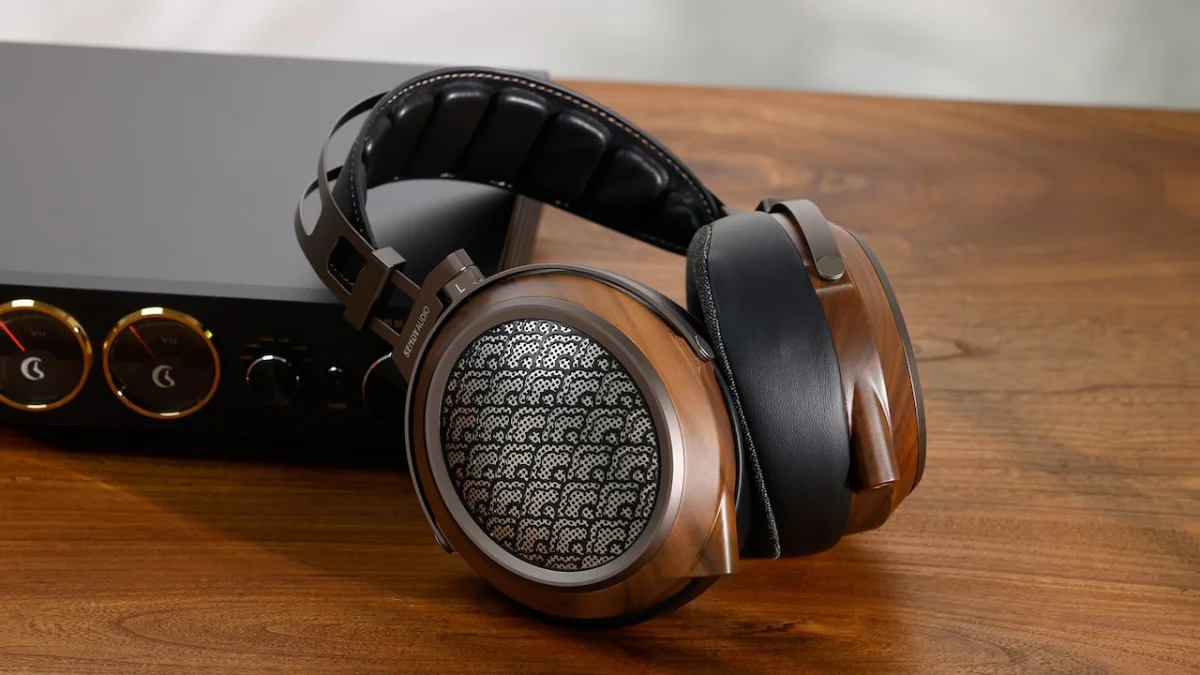
The Egret pairs handcrafted black walnut earcups and aluminum construction with planar magnetic drivers measuring 98 × 84 mm. Those drivers use an 800-nanometer ultra-thin diaphragm and deliver deep bass, expressive mids, smooth treble and good resolution. At 443 grams it's heavy, but angled pads and balanced weight distribution keep it comfortable through long listening. The detachable balanced cable completes a refined package for under $1,000. It was one of our biggest surprises of 2026. Imaging, detail and layering held up against far pricier HiFiMAN planars, and it scales well with better amplification. Our review sample showed some driver crinkling. Sendy described that as an isolated issue, and in our testing the overall performance still makes the Egret a standout at $799.
HEDDphone D1 ($799)
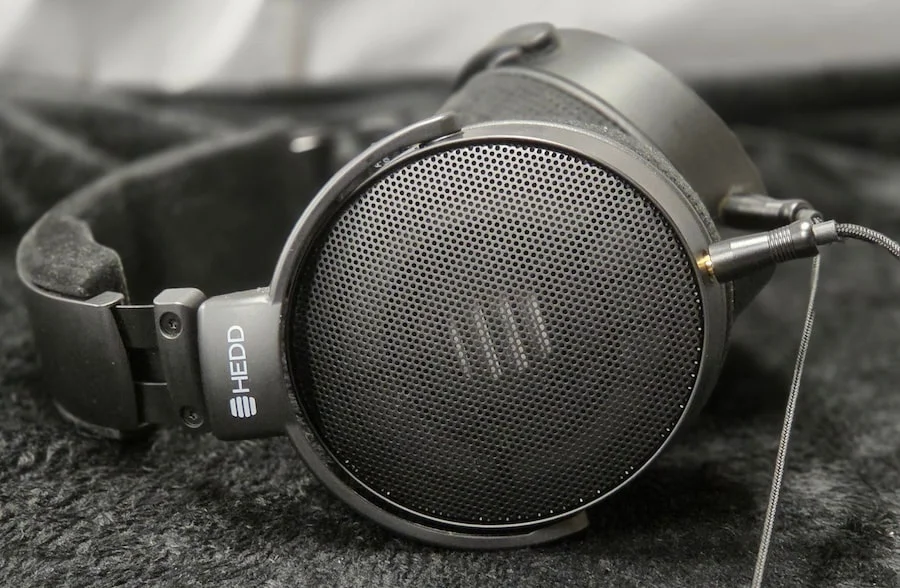
The D1 is a German-made open-back dynamic with a 50 mm Thin-Ply Carbon Diaphragm (TPCD), developed with Swedish specialist Composite Sound. It has a 32-ohm impedance and 100 dB/mW sensitivity, so dongle DACs, portable players and desktop amps all drive it well. At 350 grams, it offers tight bass control, natural mids, precise imaging and extended treble with enough energy to stay engaging. Replaceable parts, detachable cables and a five-year warranty add real long-term value. The D1 is the first dynamic headphone in years that we'd call a genuine step beyond the Sennheiser HD 650 in its price range. Bass definition and dynamic impact are better, and imaging is more precise, yet the tonal balance that made the HD 650 a reference for two decades is still there. It's revealing without being clinical.
Audeze LCD-X ($1,199)
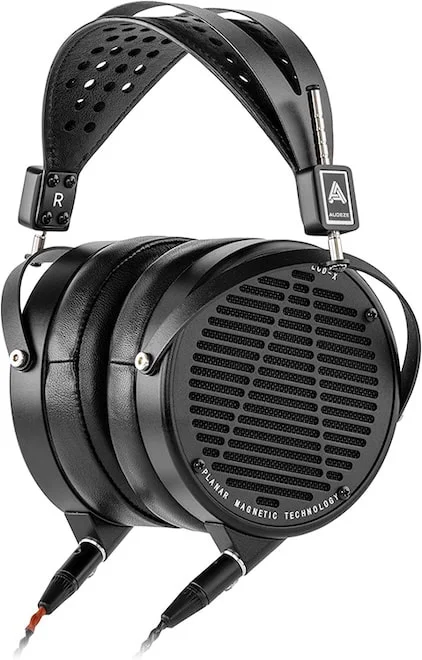
The LCD-X uses 106 mm planar magnetic drivers with Uniforce diaphragms and Fazor waveguides, which places it between professional monitoring and audiophile listening. It delivers exceptional resolution, controlled bass, a natural midrange and strong dynamics. With a 20-ohm impedance and 103 dB/mW sensitivity, it's relatively easy to drive, though quality desktop amplification brings out more. Weight is its biggest drawback at 612 grams, even with a comfortable suspension headband and generous padding. For mixing and mastering, the transparency and low distortion are valuable tools. For extended listening, the engaging presentation and precise imaging reward long sessions. The weight won't suit everyone, but for professionals and enthusiasts who can live with it, the LCD-X is one of the more compelling high-end planars.
HiFiMAN HE6 Remastered ($1,899)
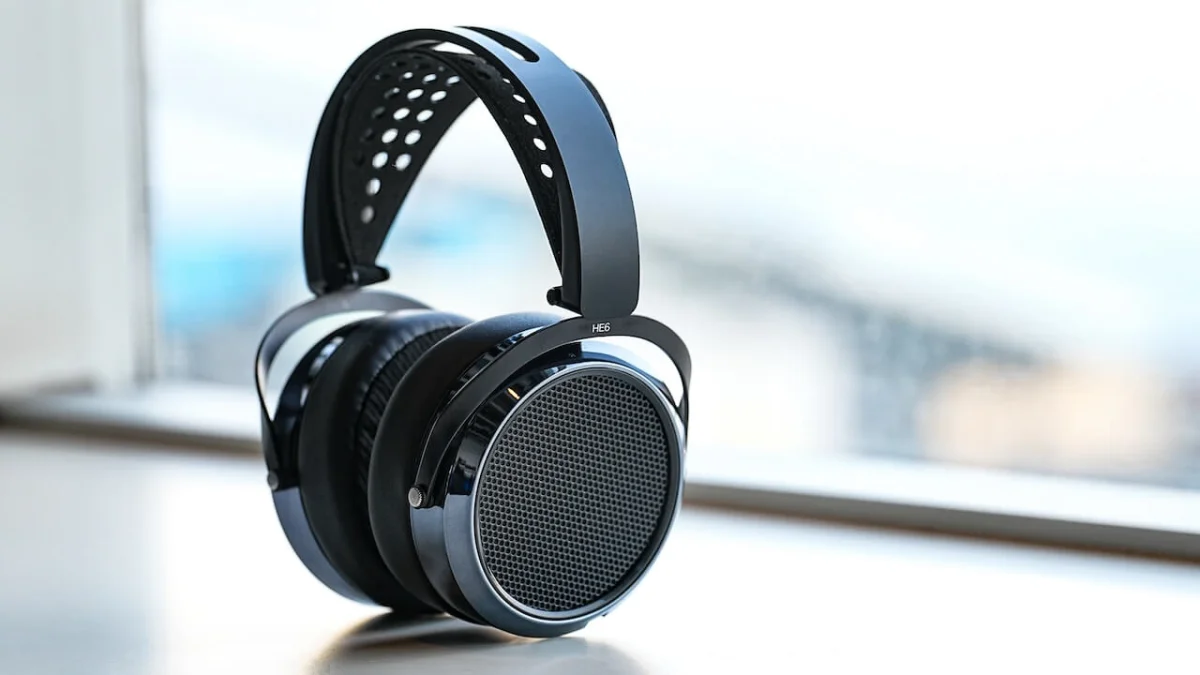
The HE6 Remastered revisits the original 2010 HE6, keeping its planar magnetic driver architecture and adding an updated nanometer-thickness diaphragm and improved ergonomics. Its 50-ohm impedance and low 83.5 dB/mW sensitivity call for powerful desktop amplification. The payoff is authoritative bass, strong dynamics, excellent resolution and a wide soundstage. At 522 grams it's still heavy, though the redesigned suspension headband, hybrid earpads and detachable 3.5 mm connections help. We found it recaptures the explosive dynamics and bass authority of the original while approaching the technical performance of much pricier headphones. HiFiMAN has spent 16 years trying to recreate the HE6, and this is the successor we'd hoped for. It's unforgiving with poor recordings and needs serious power, so buyers should have the amplifier to match.

HEDDphone TWO GT ($2,199)
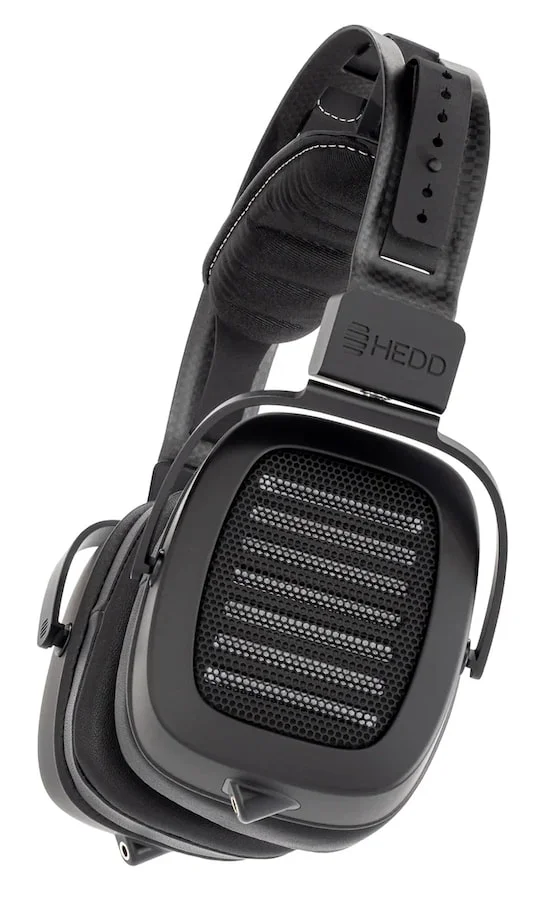
The TWO GT is another German-made open-back, built around HEDD Audio's full-range Air Motion Transformer (AMT) driver with Variable Velocity Transform (VVT) technology. Its revised diaphragm offers speed, resolution and controlled bass, with a warmer, more natural presentation than the studio-focused HEDDphone TWO. The 41-ohm impedance and low 88 dB/mW sensitivity need capable amplification, and the carbon fiber and magnesium build, adjustable HEDDband and interchangeable leather and velour pads help manage its 550-gram weight. The TWO GT's blend of AMT speed, tonal richness and precise imaging stays clear of fatigue. The midrange is superb, and the bass has texture. Jazz, electronic and acoustic recordings are especially rewarding. During our review, the TEAC HA-507 proved an excellent amplifier partner. It's heavy and expensive, and it's really for serious home listening.

Meze Audio ARTA ($6,000)
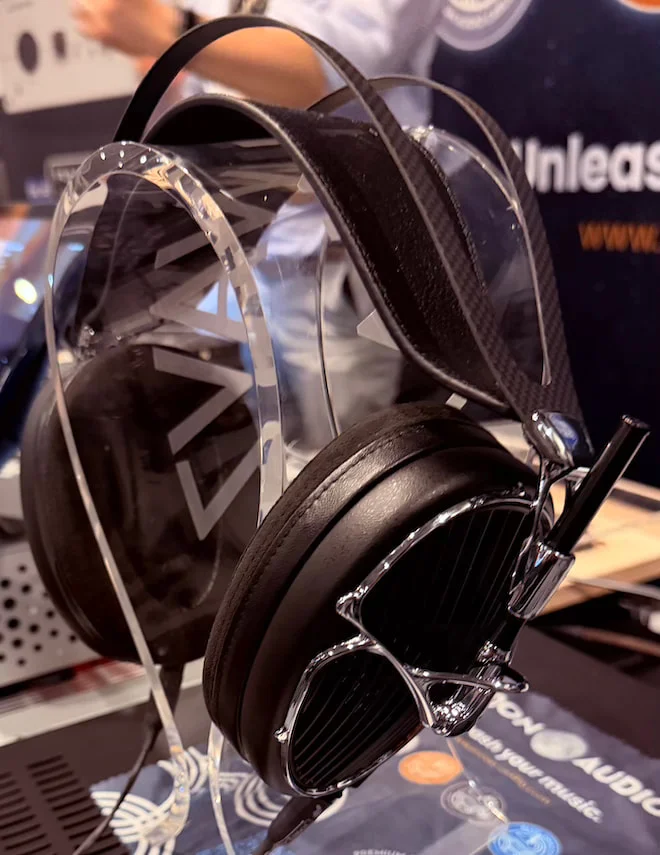
The ARTA is Meze's most ambitious open-back planar, built around a new Rinaro MZ5 HΩ Isodynamic Hybrid Array driver with a 225-ohm impedance. The sculptural design, angled acoustic grilles and fully serviceable build are striking, but the sound is where it earns its place: an expansive soundstage, extraordinary resolution, textured bass and a natural tonal balance. At 495 grams it's heavier than Meze's Empyrean II and ELITE, and it needs high-quality amplification with substantial voltage swing and tight control. Our read is that it competes with the best from Audeze, HiFiMAN and ZMF. In our experience it edges past Meze's own Empyrean II and ELITE, although neither of those is as demanding on amplification, and the Empyrean II remains the more comfortable wear. The ARTA doesn't need enormous wattage, but amplifier quality matters a great deal. Our reviewer's advice is to budget $10,000 or more for a complete system before the purchase feels justified.

What to take from this year's list
Three patterns stand out. The first is that the sub-$500 tier now holds several headphones that outperform their price in ways that used to require flagship money. The AKG K371, the HD 560S, the MM-100 and the Cypher all make strong cases for buyers who want great sound without a large outlay. The second is that amplification is becoming the real budget decision. Several of the best planars, including the HE6 Remastered, the ARTA and the E3, sound their best only with capable desktop gear, so the headphone price is rarely the full cost. The third is that durability and serviceability now deserve as much weight as tuning. Replaceable pads, cables and drivers turn a costly purchase into something you can keep for years.

If you're buying your first serious headphone, start with the open-back or closed-back choice based on where you listen, then match the amplifier to the headphone rather than the other way round. If you already own a good headphone, look at the repair and upgrade options before you replace it. Those are the decisions that will shape how much you enjoy wired listening in 2026 and beyond.