First day cover ·
iPhone 18 Pro Early Sales Edge Past iPhone 17 Pro, but China Does the Heavy Lifting
Counterpoint Research says iPhone 18 Pro series sales are up 3.1% over the first three weeks, driven by China, while the US and Japan declined.
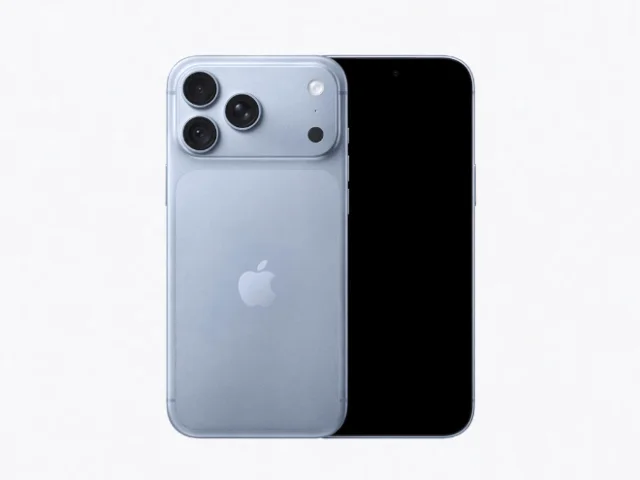
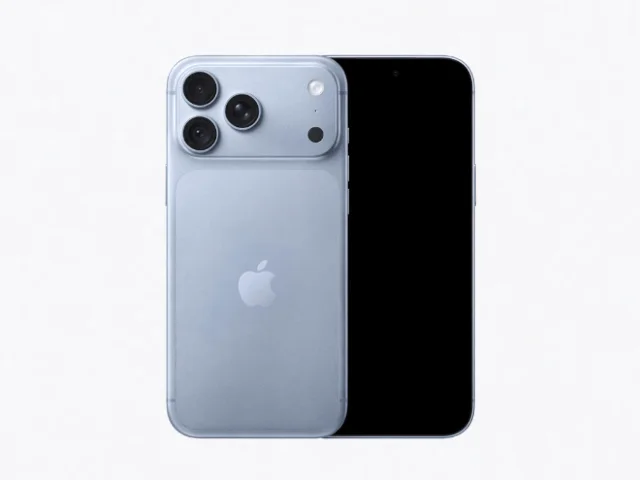
Apple's iPhone 18 Pro series is ahead of last year's launch, but only by a small margin, and the headline number hides a sharp split between regions. According to Counterpoint Research, global sales in the first three weeks after launch were 3.1% higher than those of the iPhone 17 Pro series over the same period a year earlier. Counterpoint describes the start as mixed, and that word is doing a lot of work here.

China carries the number
Strip out China and the global picture looks much weaker, according to Counterpoint. Sales there rose 29% year over year, the strongest growth of any market the firm tracked. Two factors stand out. Early stock availability was better than it was for the iPhone 17 Pro models at the same stage last year, which means fewer buyers were left waiting or switching elsewhere. Counterpoint also points to price increases on competing flagship Android phones from Chinese manufacturers, which made Apple's handsets look relatively more attractive to buyers.
That combination is worth paying attention to. Supply and competitor pricing can lift a launch quickly, but they can also fade. When a strong early quarter depends on a few favorable conditions rather than broad appeal, the number tends to look different a few months later. Counterpoint's analysts made the same point, saying it's still unclear whether China's outperformance reflects lasting demand or buying pulled forward by the early availability.
Where sales slipped
The United States and Japan went the other way. Sales fell 4% in the US and 27% in Japan. The US decline is the one I'd watch most closely, since it's Apple's largest single market. Counterpoint's read is that the new models cost more than their predecessors while offering few meaningful improvements in features or design to justify the difference. Anyone who bought an iPhone 17 Pro last year and is weighing whether the upgrade is worth the premium will recognize that calculation.

Japan's drop has a different cause. Counterpoint says exchange rates amplified the price increases there, so the effective cost to buyers rose more than the headline figures suggest. That's a reminder that a phone's list price is only part of what a buyer actually pays, and that currency movements can undo a launch strategy in a single market while leaving others untouched.
The Pro Max is slipping, slightly
Inside the lineup, the Pro Max still accounted for the majority of sales, at 56%, but that's down from 57% for the prior generation. Counterpoint attributes the shift to higher prices on the larger model and to stronger relative growth of the standard Pro in emerging markets such as India and Southeast Asia. A one-point move in mix is small, but it points in a direction. Buyers in price-sensitive markets are gravitating toward the cheaper Pro, and that's where Apple's volume growth is coming from.
How to read early numbers
Counterpoint's research director, Tarun Pathak, described regional reception as mixed and pointed to several forces behind it: upgrade cycles that are lengthening, memory-driven price increases, macroeconomic uncertainty, and a strong prior year for the iPhone 17 series, which sets a high bar for comparison. He also noted that even single-digit volume growth remains favorable for Apple, which is a fair way to frame a 3.1% gain in a tough market.
There's also a product-lineup question hanging over the launch. Counterpoint flagged the later-arriving iPhone Duo as a near-term factor. Associate Director Sujeong Lim put the question plainly: will the Duo create new demand, or will it pull buyers away from the Pro Max? The answer will matter more for the second half of the cycle than the first three weeks of data.
What to watch next
My read is that the first three weeks tell you more about where Apple is strong than about where it's heading. The China figure is impressive but leans on conditions that could change. The US and Japan declines are the signal that a higher price without a clear feature story is a hard sell, even for a brand with loyal buyers. If you're deciding whether to buy now, the most practical question is whether the Pro's improvements justify the new price in your market. If you already own a recent Pro and are waiting, the gap between the 18 Pro and the Duo will likely shape the discounts and trade-in offers you see in the months ahead.