First day cover ·
Etta James' At Last! on Chess 75 Vinyl: A Stereo Master Worth Hunting For
Universal's Chess 75 pressing of Etta James' At Last! is cut from a rediscovered stereo master tape, and at about $40 it undercuts most original copies.
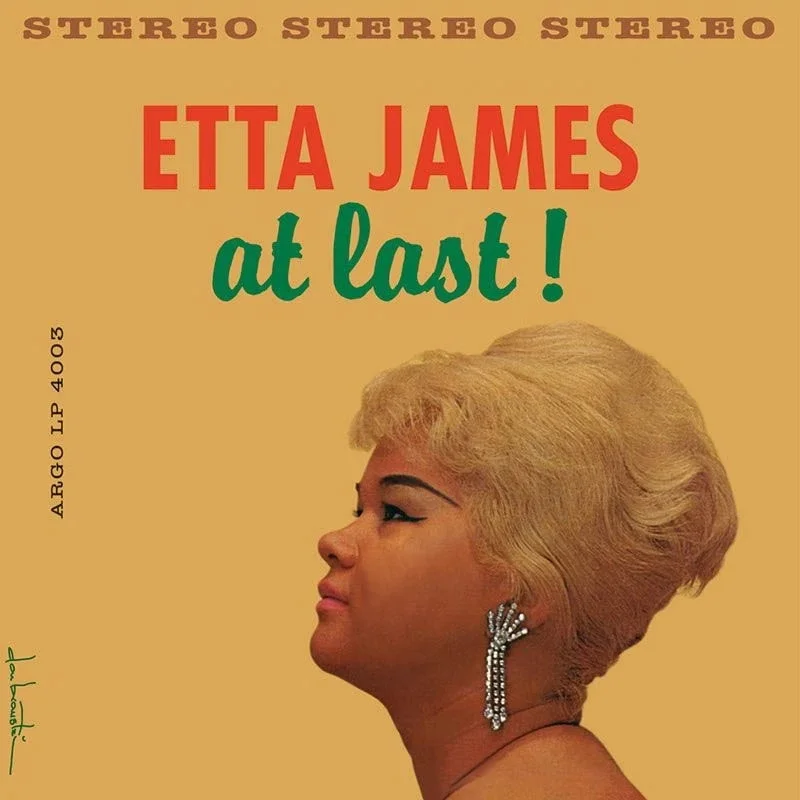
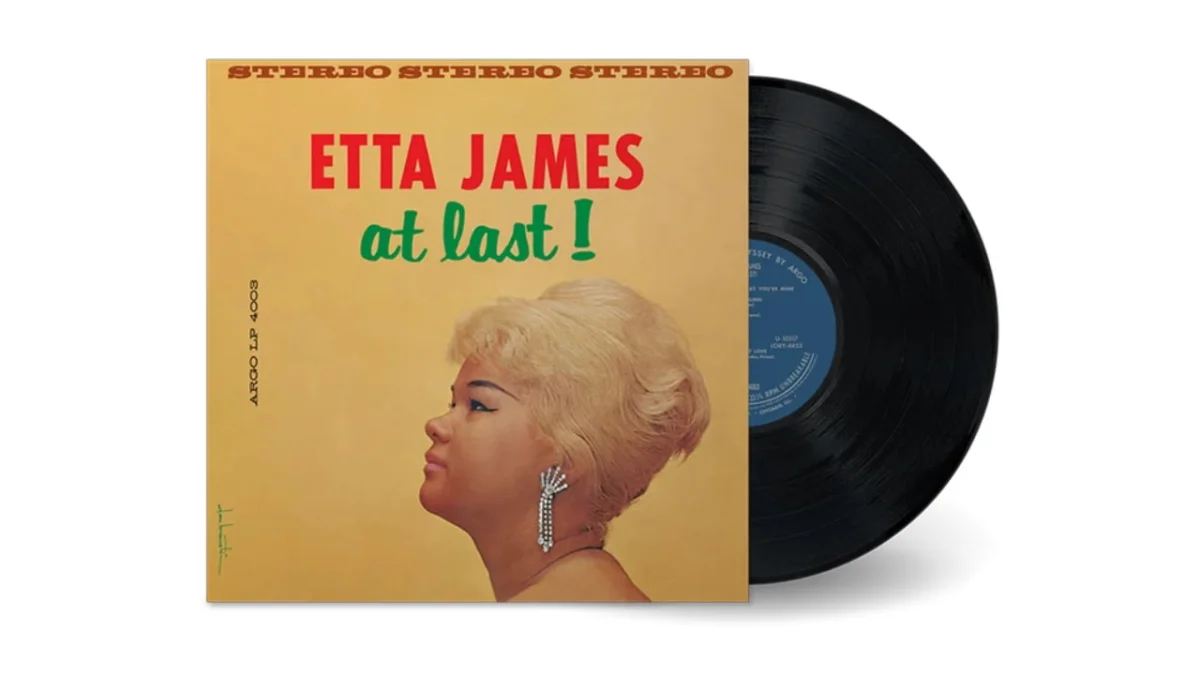
If you want a good copy of Etta James' At Last!, the debut album that gave us the 1960 hit of the same name, you've probably learned how frustrating the search can be. Most reissues over the decades have come from unofficial sources of uneven quality, and clean original pressings in strong condition are rare. Universal Music's new edition, part of its 75th anniversary celebration of the Chess Records catalog, may be the easiest route to a version you'll actually want to keep.
Why the source tape matters here
The headline detail is the master. This pressing was cut from the recently rediscovered original stereo master tape. For an album reissued so many times from mixed-quality sources, that's a meaningful change. It means the record starts from the closest thing to the original session rather than from a copy of a copy.

Chad Kassem of Analogue Productions oversaw the edition, and the approach will look familiar to anyone who has followed Universal's Verve/Acoustic Sounds and Blue Note Tone Poet series. The lacquers were cut by Matthew Lutthans at The Mastering Lab, and the album was pressed on 180-gram vinyl by Quality Record Pressings (QRP). That's a well-regarded chain for this kind of job, and it shows in the result.

My review copy arrived well centered and played remarkably quietly, with virtually no surface noise. Vintage R&B LPs often bring crackle and wow along with the warmth, so a quiet pressing that still sounds alive is a good sign that the mastering was handled carefully rather than just scrubbed clean.

Packaging is a real upgrade
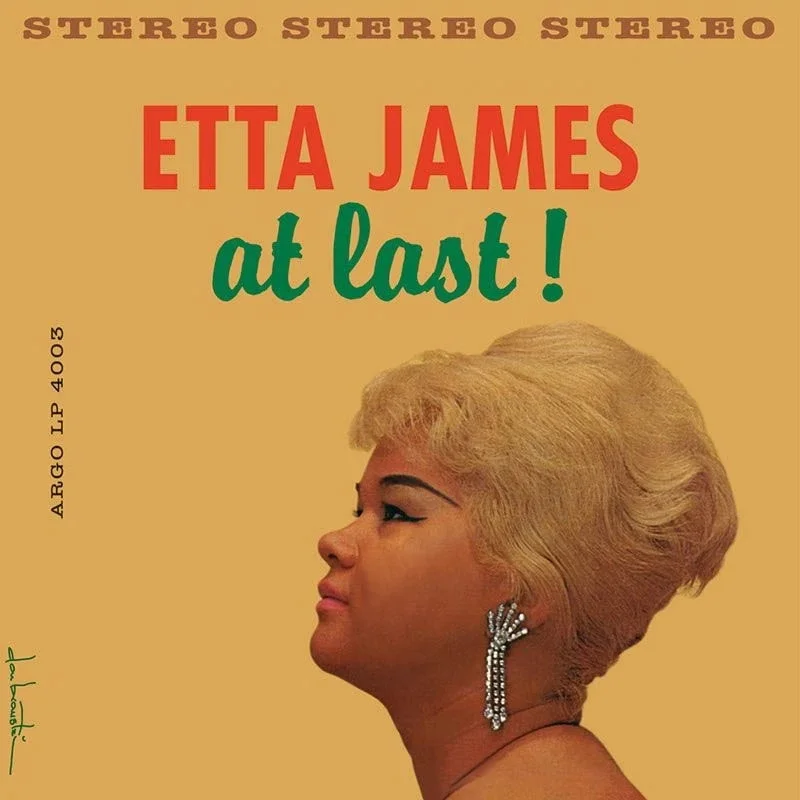
Like the other releases in the Chess 75 series, At Last! comes in an archival-quality tip-on jacket that reproduces the original cover art. The jacket has a gloss-laminated finish and an expanded gatefold design. The original LP came in a single-pocket jacket with a flat finish, so this is a substantial step up in presentation. Inside, the record sits in an audiophile-grade, plastic-lined inner sleeve, and Universal has recreated the period-correct Argo Records label.

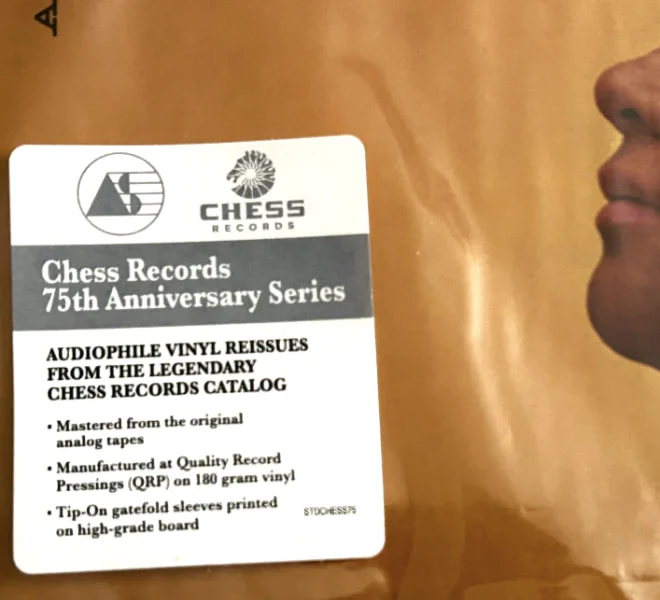
Collectors tend to notice these details first, and they're the ones modern reissues often get wrong. Here, the fine print lines up with the music.

What original pressings cost right now
The Discogs marketplace shows how scarce the originals have become. At the time of writing, only 16 copies were listed, and none was graded higher than Very Good (VG). Asking prices ran from just under $80 to more than $350. The detail that stood out to me is that every one of those copies was mono. I couldn't find a single original stereo pressing on the site.

Historical sales data suggests a median selling price of about $80, with some copies going for more than $400. That's a lot of money for a record whose condition may be only VG, and it's why a new stereo-master pressing at roughly $40 looks so attractive by comparison.

Watch out for grey-market reissues
The used market also has a lot of cheap-looking repressings. My rule of thumb is to be skeptical of labels such as Jazz Wax and Wax Time, especially when the cover art differs from the original release. These editions often say little about their mastering sources, and some may have been made from CDs rather than original analog tapes. If the sourcing is vague, the price is probably the only thing you're getting for your money.

Where it lands
I'd call this a beautifully produced, great-sounding reissue, mastered through an all-analog process from the original stereo master tape. At around $40, it's hard to find a better way into this record. Compared with paying a premium for a worn mono original, it's an easy call for most listeners, though purists chasing the exact sound of a first pressing may still want to hunt. The prices I saw listed at Amazon ($41.99) and Chess Records ($38.98) sit close to that $40 mark.

My ratings: five stars each for Music, Sound and Packaging. The record earns every one of them, and the real test is how many times you'll pull it off the shelf once the novelty of the new jacket wears off. My guess is quite a few. Watch for more Chess 75 titles if this one sets the standard, since this kind of source-tape work is the thing that separates a keeper from another filler copy.