First day cover ·
Motorola Signature 27 Makes a Strong Case for Pixel Fans Looking Elsewhere
Pixel 11 pricing and GPU gaps push buyers toward Motorola's Signature 27, which offers similar Gemini features plus a faster chip and bigger battery.
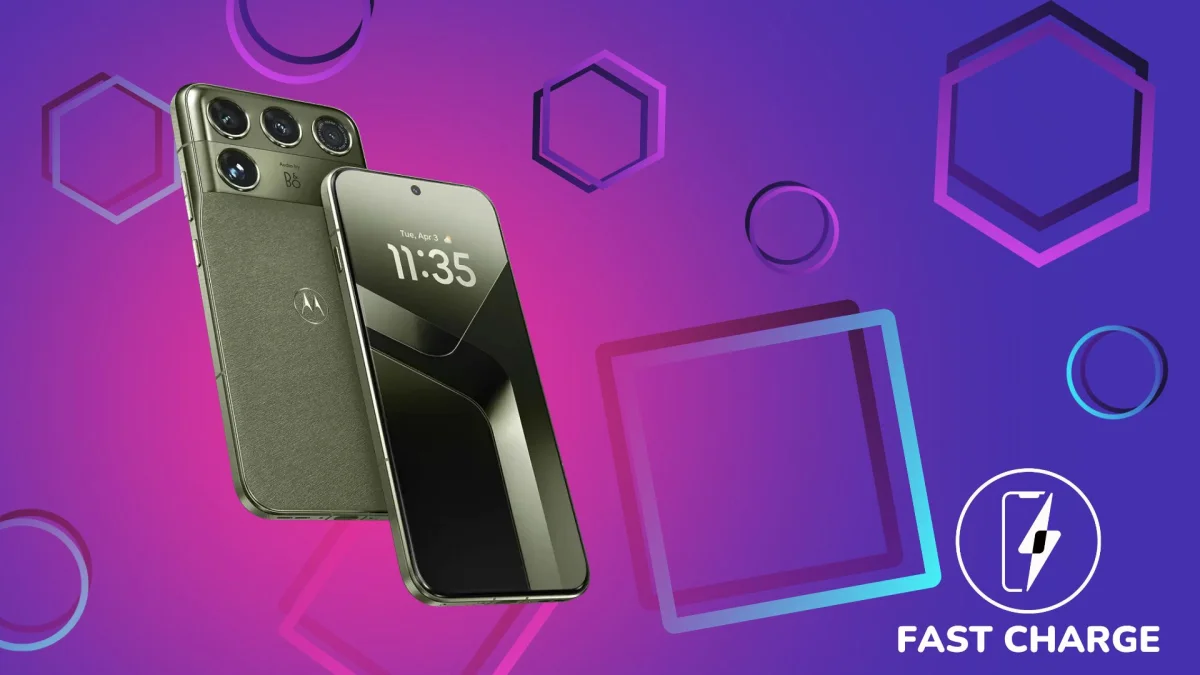
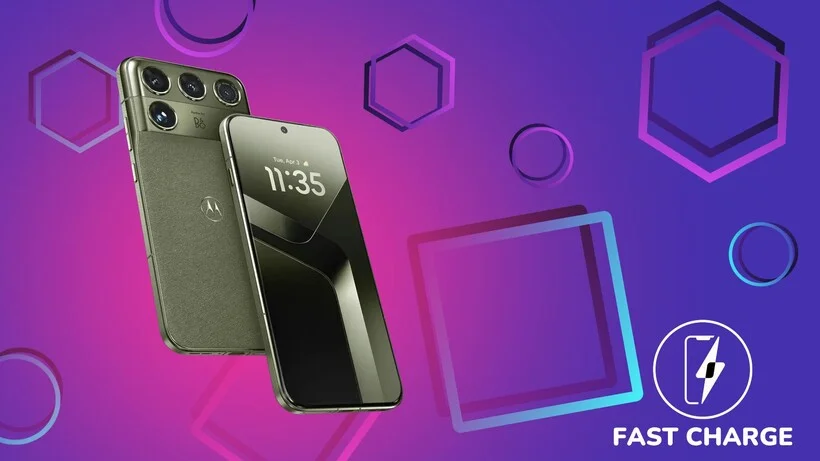
Google's Pixel flagships have earned a spot on my recommendation list for years, mostly because the software does things other phones don't. Helpful Gemini features and dependable cameras have been the appeal. This year, though, the Pixel 11 range makes that case harder to argue on software alone. After a few days with Motorola's Signature 27, I think disappointed Pixel buyers now have a serious alternative. It's too early for a final verdict, but the early picture is interesting.
Pixel 11 pricing asks a lot
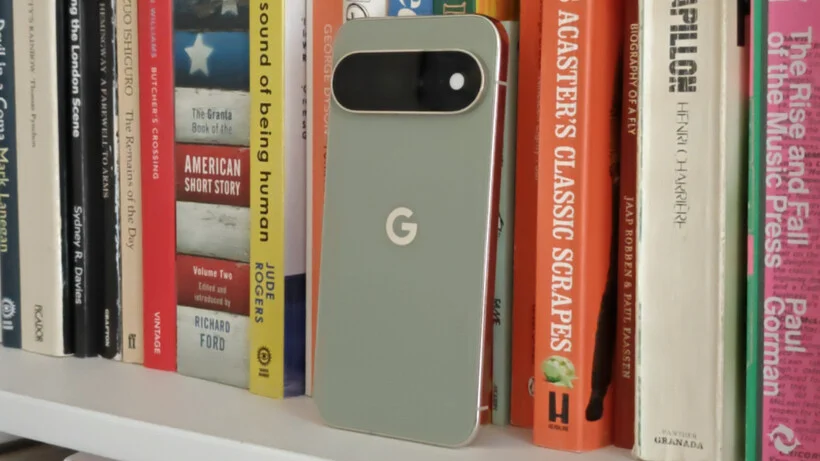
Start with the price. The Pixel 11 range is Google's most expensive yet. The standard Pixel 11 starts at £879/$899, and the Pixel 11 Pro XL sits at £1,279/$1,299. Those numbers would be easier to swallow if the hardware justified them, and the base model is the hardest to defend. It lacks an LTPO display, a feature you'll find on much cheaper phones, and that omission stands out at this price.
The Tensor G6 is where the gap shows
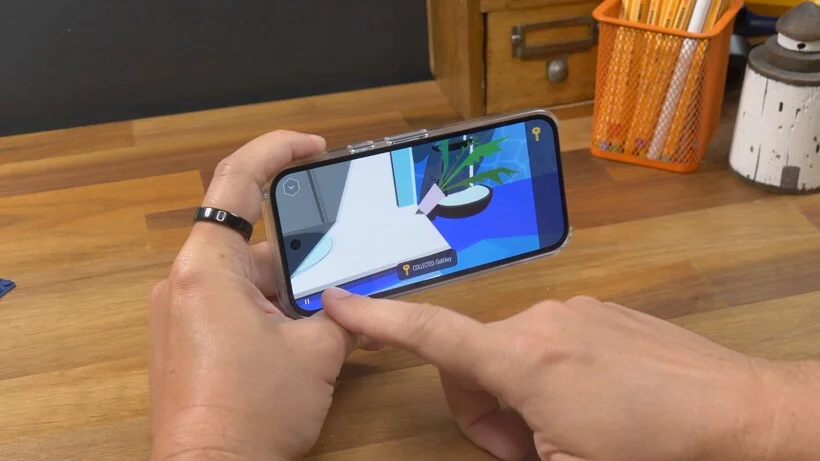
Google has never chased raw performance with its chips, but the distance between Pixel and its rivals has grown wide this year. The Pixel 11 Pro XL's GPU score is less than half that of the Galaxy S26 Ultra and roughly a twentieth of the iPhone 18 Pro's. That isn't just a benchmark story. In testing, the phone couldn't hold a steady 30fps in demanding games without dropping graphics to their lowest settings. For a phone that costs over a grand, that's a hard result to excuse.
The camera used to be the Pixel's trump card, and it no longer stands clearly apart. The Pixel 11 range still takes reliably good shots, especially in good light, but rivals have caught up. Battery life is fine rather than impressive. The Pixel 11 Pro XL's 5115mAh cell will get most people through the day, yet it trails much of the current competition.
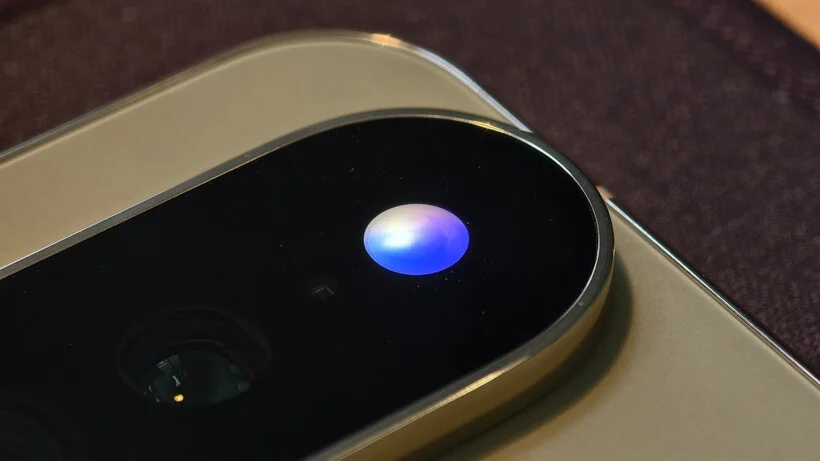
Then there's the HiLight notification light. In its current form, it's close to pointless. Put these pieces together and it feels like Google spent its effort in the wrong places this year.
Motorola brings much of the same Gemini software
This is the part that surprised me. The Signature 27 supports the same Gemini Intelligence suite as the Pixel 11. That isn't just the Gemini assistant or long-running tools like Circle to Search. These are newer Gemini-powered features that debuted only a few months ago.
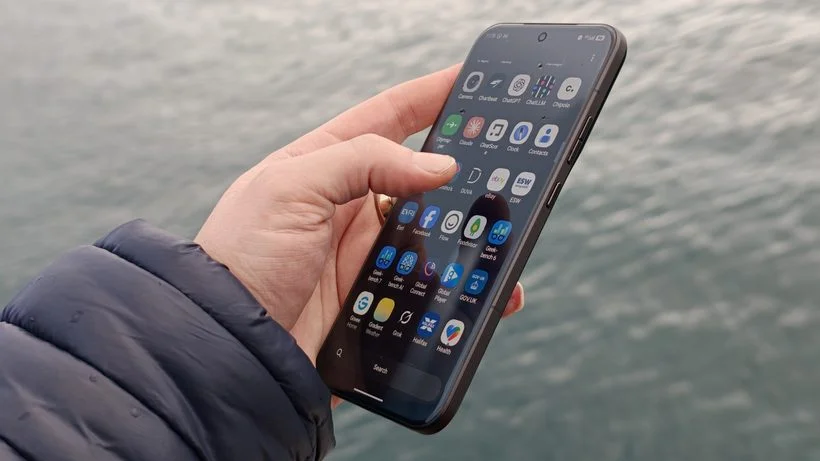
The headline feature is on-device Gemini automation, which lets Gemini control apps to carry out tasks for you. Think ordering a meal in a takeaway app or booking a ride to an event sitting in your calendar. The catch is that it remains US-only for now. UK and European buyers will be hoping for a faster rollout.
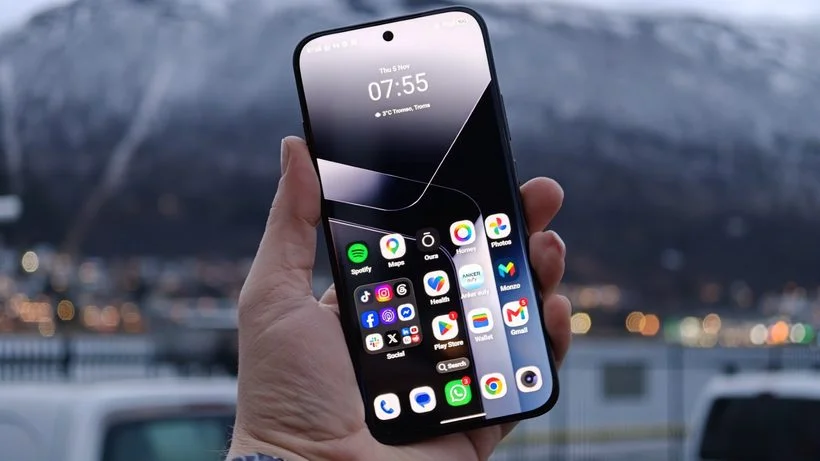
The Signature 27 also includes Create my Widget, which is marked as experimental. It uses Gemini to build custom widgets for your home screen, from local night-out suggestions to the status of the train line you take to work. Rambler, Google's smarter voice-to-text transcription, is here too. Create my Widget impressed me enough that I kept using it after initial testing, and I'm glad it's included. It isn't quite finished, though. My read is that Motorola is shipping it a little ahead of its readiness.
That raises a real question for Pixel buyers. If the Motorola offers much of the same intelligence, what makes the Pixel distinctive?
Faster silicon, a bigger battery and a better-looking phone
The Signature 27 isn't only matching the Pixel's software. It's stronger in several areas. It runs Qualcomm's new Snapdragon 8 Elite Extreme Gen 6, and I haven't benchmarked it yet. Day to day, it feels very quick. The Pixel 11 is also smooth in everyday use, but its weak GPU shows up in games. I don't expect the Signature 27 to have that problem.
The battery is a 7000mAh cell, which is 1885mAh larger than the Pixel 11 Pro XL's. Battery longevity has looked strong over the past few days, which points toward solid endurance. Charging is also far quicker. The Signature 27 supports 90W charging against the Pixel's 45W, so it should go from empty to full in noticeably less time.
Motorola may also have the edge on photography. The camera system combines a 50MP main sensor, a 200MP 3x periscope lens and a 50MP ultrawide. It also adds a dedicated EVS action sensor, which Motorola says helps capture fast-moving subjects without motion blur. Motorola is the one making that claim, and megapixel counts don't tell the whole story, so I'm holding judgement until I've shot more with it.
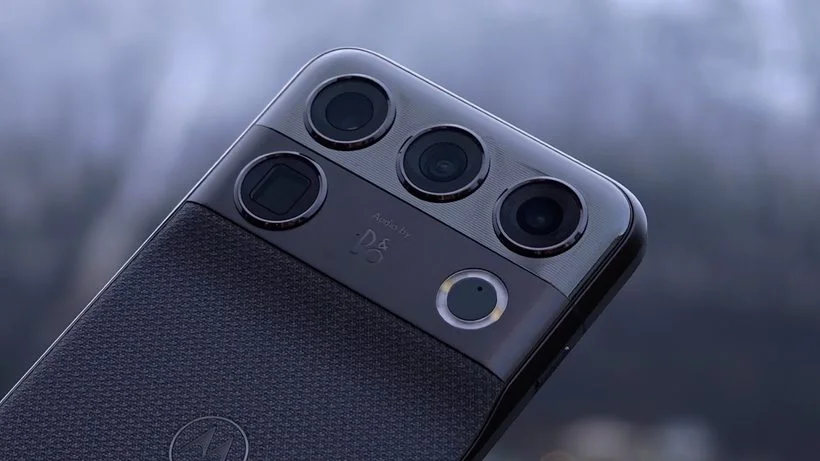
Design may be where the Signature 27 pulls furthest ahead. Textured materials, etched aluminium sides for grip and a camera housing that appears to rise out of the body rather than sit on top of the back all add up to a premium feel in hand. Motorola has long used materials such as wood and Pantone-certified colours to stand apart, and this phone feels like the strongest expression of that approach.
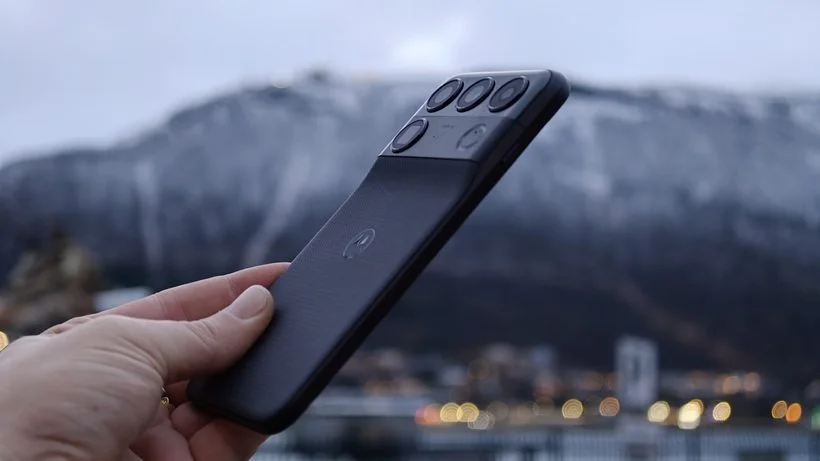
At £1,299/$1,599, the Signature 27 is expensive. In the UK, though, it costs only slightly more than the Pixel 11 Pro XL.
What you'd give up, and whether it matters
The Signature 27 doesn't replicate everything. Automatic recognition of background music, the Material 3 Expressive UI and Google's more powerful version of the At a Glance widget aren't on Motorola's phone. Those are real Pixel strengths, and I'd miss them. Still, they're small compared with the things that shape daily use, such as battery life, camera quality and performance.
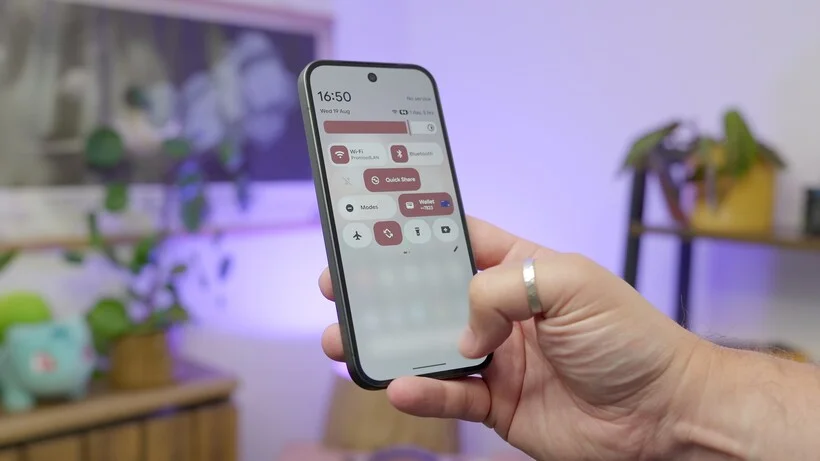
For a phone that looks better, runs faster, charges quicker and offers a bigger battery with the potential for multi-day use, while matching the camera setup, those missing extras are easy to live without. Could Motorola become a serious rival to Google at the top end? It's too early to say, but the next few months should be revealing.