First day cover ·
UAG Dryout Pouch Beats Rice for Drying Wet Phones, but Only Up to a Point
UAG's Dryout pouch uses silica gel to pull moisture from wet gadgets without heat. It works, but it can't reverse salt water damage or short circuits.

Rice is the default fix for a wet phone, and it's the one I'd most like people to stop using. The UAG Dryout Phone Recovery Pouch is a purpose-built alternative that rates a 4.5 out of 5 in our testing, and after a few weeks of putting wet kit through it, my read is that it does the job better than rice or a hairdryer. It isn't a cure-all, though, and the limits matter as much as the strengths.
What you're actually buying
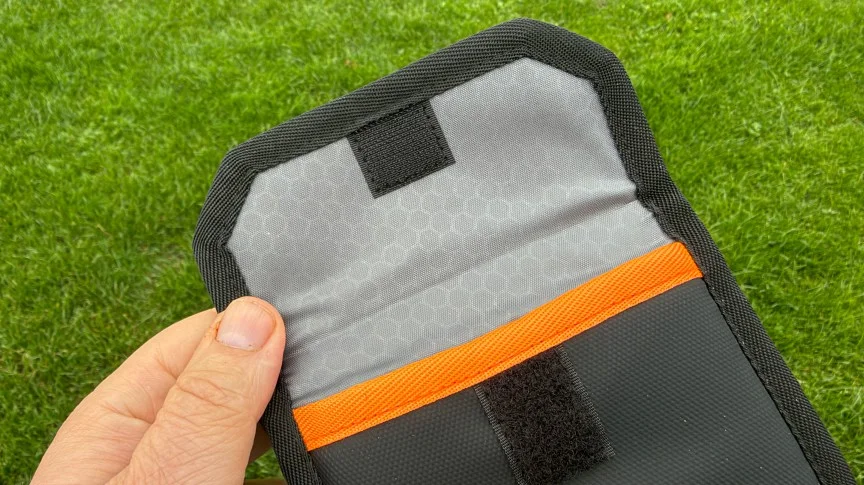
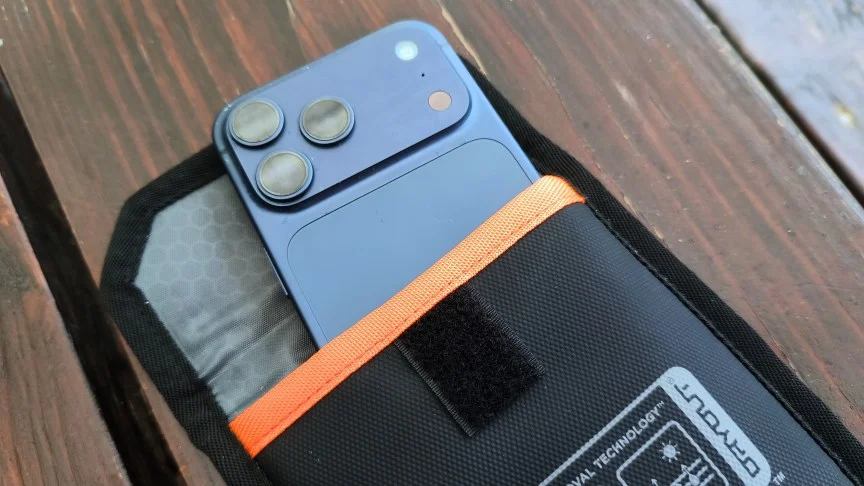
The pouch is a sealable bag built from 600D PU-coated polyester, a tough outer shell that can take plenty of abuse. The flap closes with hook-and-loop, there's a loop on top for hanging or carrying, and the inside is a soft 210D embossed liner that won't scratch delicate screens or finishes. The review unit measures 6.69 x 3.32 x 0.58 inches and weighs about two ounces. That's roomy enough for an iPhone 18 Pro Max, and it also handles smartwatches, battery packs, key fobs and similarly sized electronics.
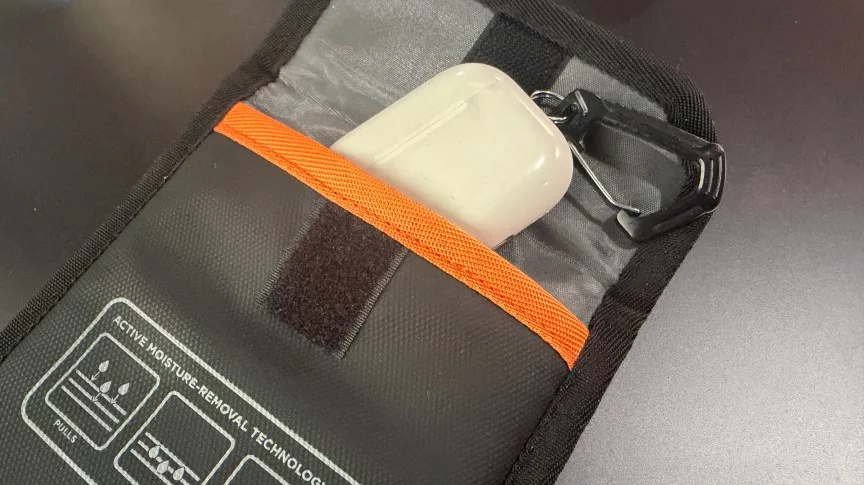
The clever part sits between the layers. UAG calls it "Dryout Active Moisture-Removal Technology," and at its core is silica gel desiccant. The gel draws moisture out of the device and locks it in the bag's core. No heating element, no battery, nothing to plug in, and the bag is reusable.

How the silica gel does its work
Silica gel is an odd material. It doesn't really absorb water so much as adsorb it, meaning water molecules cling to the surface of its very porous beads. The gel pulls water vapour out of the air inside the pouch, which lowers the humidity, which in turn keeps moisture evaporating from the device until it's dry. Because nothing gets hot, you avoid the localised heat that can stress components.
The catch is time. UAG's guidance is two to five hours for light water exposure and three to 12 hours for heavy soaking or immersion. Patience is the single biggest factor in how well it works. Leave the device in longer and the result improves, and checking early tends to produce a false negative.
Where it genuinely works
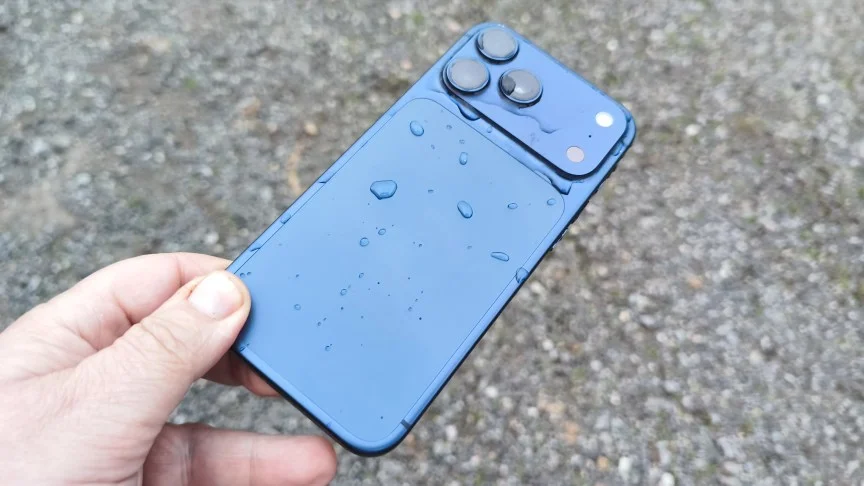
I've put a few wet items through the pouch, and after a few hours they came out dry. It performs best on surface water and on moisture that's sitting in charging ports and speaker grilles. Those are the areas where a phone tends to hold water long after you've shaken it out, and where the desiccant has room to pull it free.
I also tried it on an action camera with condensation trapped inside. The directions suggested up to 12 hours, but it took about a week before the fogging cleared. The trapped vapour seems to be gone now, which tells me the bag can handle slower, stubborn moisture too, provided you're willing to wait.
Where it runs out
Evaporation has a fundamental weakness: it dries the water but leaves whatever was dissolved in it. Tap water and rain are mostly fine, since they're only mildly conductive. Seawater, soda, sugary drinks and chlorinated pool water are a different story. Salt and sugar stay behind, and they corrode copper and other metals inside a device. Corrosion may not show up for weeks or months, but once it starts, it keeps going.
So the pouch can't rescue a device that's already short-circuited, and it can't clean out salt or chlorine. A phone that survives a dunk in the sea or a pool isn't safe just because it dried. It's on borrowed time, and the pouch doesn't change that.
There's also a point about water resistance ratings that many people miss. Those ratings come from lab tests on new devices. Your phone has since been through a year in your pocket, a few drops onto hard floors and maybe a few seals that have loosened. A sealed device can still trap water inside, which is one reason a drying aid is useful even on a phone that's officially rated for submersion.
Drying the pouch itself
When the bag gets saturated, you'll need to dry it out. Open the flap first. For a fast turnaround, a warm hairdryer blast for about half an hour does the trick. If you'd rather not stand over it, a space heater takes around three hours, direct sun works in up to 10 hours, and a fan running for most of the day gets there too. UAG says not to let it exceed 185°F (85°C), so keep the heat moderate and let the silica gel do most of the work.
Why not rice, silica packets or a hairdryer?
Rice gets into every crevice of a device and can leave behind starch and debris that cause problems of their own. It's also a weak desiccant, so it's slower than most people expect. Loose silica gel beads spill and scatter, which is messy around electronics. And pointing a hairdryer at a wet phone risks localised heat damage. The sealed pouch avoids all three problems in one package.
Worth buying, with realistic expectations
The UAG Dryout Phone Recovery Pouch was just under $30 on Amazon at the time of review. For that money, I'd keep one on hand as a just-in-case item, especially if you spend time near water or you're prone to dropping things into sinks and bathtubs. UAG also sells a range of Dryout products, including a small earbud pouch, a 16-inch laptop sleeve, a tote and a backpack. The smaller pouches suit emergency dryouts, while the larger ones make sense for keeping bags and kit dry in everyday use.
My advice is simple. Use it for surface water, ports and light condensation, and be prepared to wait for a day or more. It won't fix a short circuit, and it won't undo salt water damage, but it's a far better tool than a bag of rice. That's the honest verdict, and it's why I'd recommend it.