First day cover ·
Sony WH-1000XM6 or Sonos Ace Ultra: Which Premium Pair Fits Your Setup
Sony's WH-1000XM6 wins on sound, noise cancelling and weight. The Sonos Ace Ultra makes more sense if you already run a Sonos home.
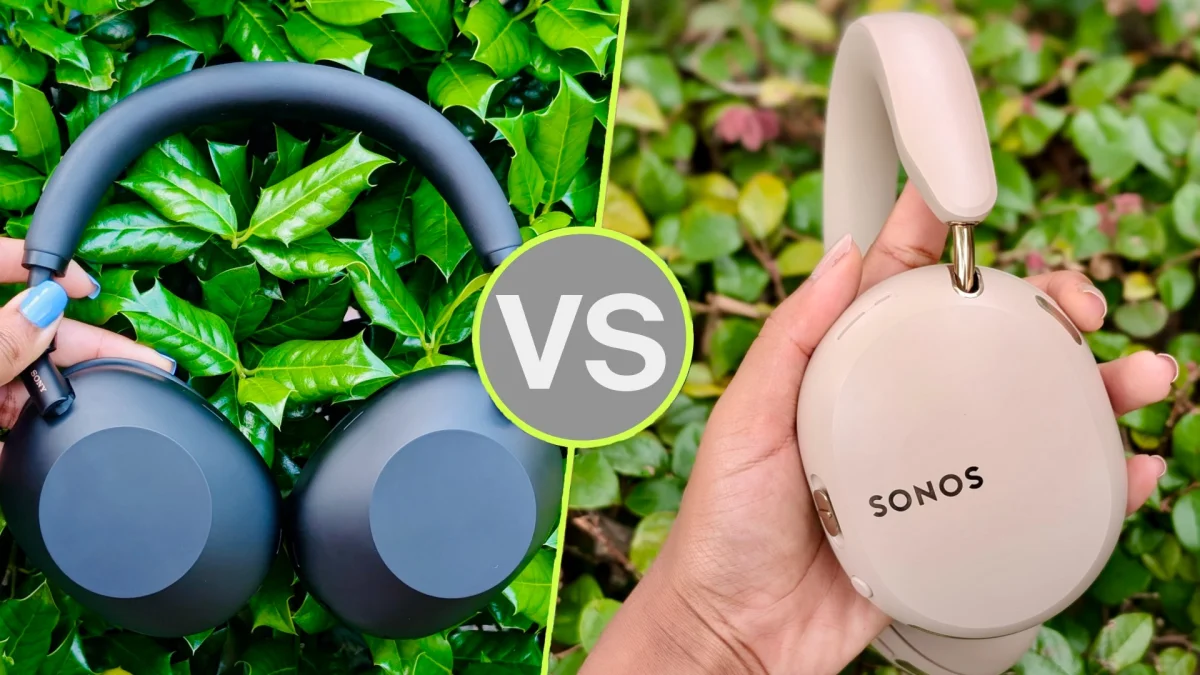
At $450 for the Sonos Ace Ultra and $460 for the Sony WH-1000XM6, the price gap is effectively nothing. The real question is which set of strengths matters to you. I've used both extensively since launch, and neither pair has a clear lead on spec sheets alone. The Sony is the stronger headphone in a straight comparison. The Sonos is the better pick if it fits into a home you've already built around its speakers.
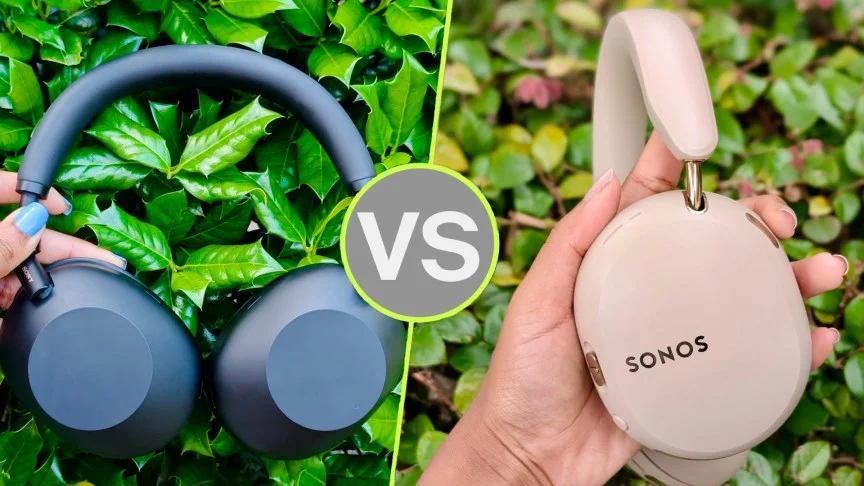
Where the Sony WH-1000XM6 pulls ahead
Sony has long offered some of the best audio response in its consumer headphones, and the WH-1000XM6 continues that tradition. It has more detail in the upper range and a bit more refinement, which adds up to a slightly better listening experience. The Sonos doesn't sound weak. It sounds very good, and a clear step up from the original Sonos Ace. The difference is character: the Sony is more precise and agile, while the Sonos sounds a little warmer out of the box.
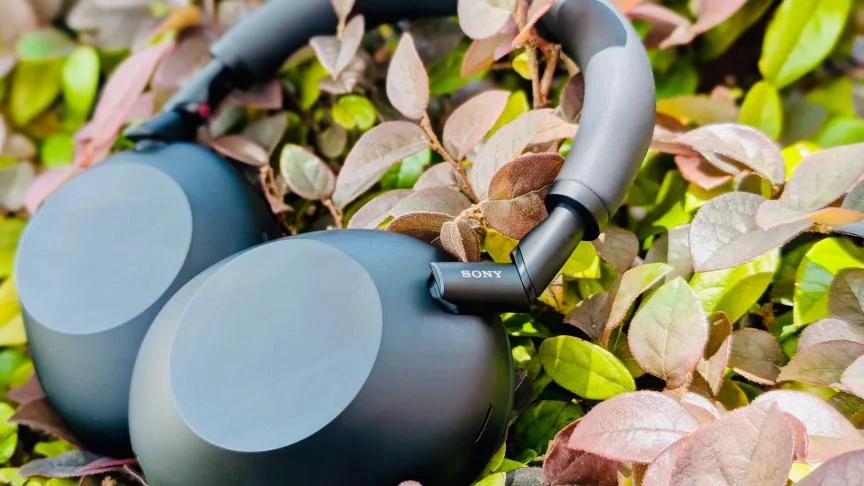
Codec support is worth a look if you're particular about your sources. Sony supports LDAC for high-resolution streaming up to 24-bit/96kHz at 990 kbps, along with LC3 and LE Audio. Sonos counters with aptX Lossless over Bluetooth from a compatible source, plus lossless playback over USB-C. If you're on an iPhone, though, both fall back to AAC by default, and the gap mostly disappears.
Noise cancelling is the other area where Sony leads. Both headphones handle steady sounds well, such as airplane engine drone or the low hum of a city street. The Sony gets noticeably better with less consistent sounds closer to you, like nearby chatter. The Ace Ultra's ANC is still quite good and far improved over the original Ace, so for most people the gap won't decide the purchase. It matters if you want the best cancelling available.

Then there's weight. The WH-1000XM6 is lighter, and you feel it after a while. I wore both for hours without trouble, but the Sonos sat noticeably heavier on the top of my head. Sony also brings back the folding hinges it dropped on the WH-1000XM5, so the headphones collapse into a much smaller footprint. The Sonos earcups only swivel flat. In practice both are reasonably compact, and the Ace Ultra's cups are considerably slimmer.

Where the Sonos Ace Ultra makes sense
The Ace Ultra's biggest advantage is Headphone Linking, the headline feature of Sonos' Headphone Engine 2 hardware. If you own Sonos speakers or a soundbar, press and hold the Content Key and whatever is playing on your system transfers to your headphones. Press again and it returns to the speakers. No other Bluetooth headphone I've tested does this. Bose's SimpleSync comes closest, passing soundbar and speaker audio to Bose headphones, but Bose's speaker lineup isn't as deep as Sonos'.

The original Ace could only swap TV audio with a Sonos soundbar. The Ace Ultra extends that handoff to any compatible Sonos speaker. It also adds TV Audio Swap with compatible soundbars, native Dolby Atmos with dynamic head tracking, and TrueCinema, a room-calibration feature for private TV listening that needs a compatible soundbar. Every one of these depends on matching Sonos hardware, the Sonos app and content that supports the format. The cheapest soundbar that supports TV Audio Swap is the $219 Sonos Ray, and linking is only useful if you already own Sonos speakers. Without them, the Ace Ultra's ecosystem features don't apply to you, and the Sony is the better buy.

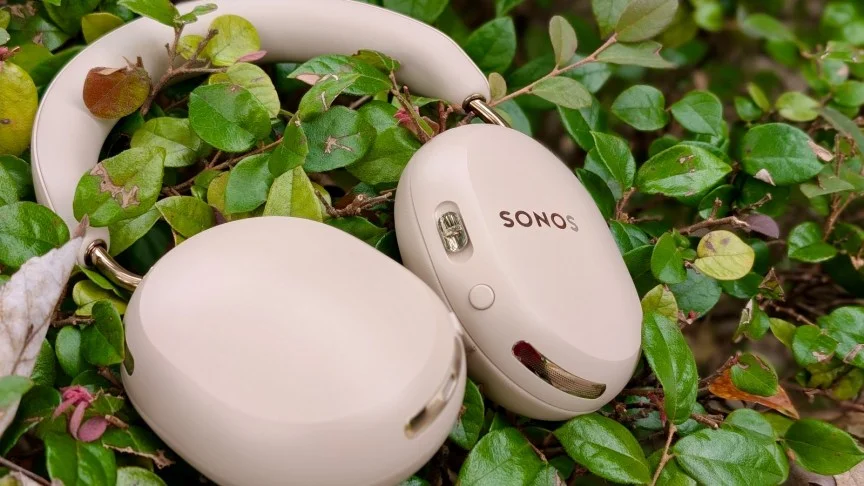
Design is the other reason to consider the Sonos. The Ace Ultra looks like the more premium pair. Its earcups sit flatter and slimmer against the head, with metallic detailing and a smooth, curved shape that reads as understated rather than techy. Sonos didn't overhaul the silhouette for this generation, but the matte finish resists fingerprints well. It comes in Black, Soft White, Sand and Agave. Sony offers the WH-1000XM6 in Black, Platinum Silver, Midnight Blue, Sand Pink, Sandstone and Olive Gray, so both have a decent range of colours.

Repairability and sustainability also lean toward Sonos. The Ace Ultra's ear cushions are magnetic and user-swappable, with replacements at $39. The battery is replaceable through a $25 kit, though Sonos warns that the job requires disassembly, tools and "some time and patience." Over a five-year ownership span, a swappable battery can be a real help. Sony's ear pads are also user-replaceable without tools, and the company uses recycled plastic in several components. Sonos goes further with the replaceable battery, recycled materials and plastic-free packaging.
Battery life is close, with Sonos ahead on paper. Sonos rates the Ace Ultra at 35 hours with ANC or Aware mode on. Sony rates the WH-1000XM6 at 30 hours with ANC on. A five-hour gap is useful if you forget to charge. If you're disciplined about it, the difference barely shows up day to day. Both promise up to three hours of playback from a three-minute charge. The Ace Ultra takes about three hours to fill from empty. Both can be used while charging over USB-C, but only the Ace Ultra supports USB-C audio.
Writer's choice
If I could keep only one pair, it would be the Sony WH-1000XM6. It sounds more detailed, cancels a wider range of noise and feels lighter over a long day. The Sonos Ace Ultra is a very good headphone, and its biggest advantage comes from the ecosystem rather than the areas where Sony wins. Here's my read: if you already have Sonos speakers, the Ace Ultra's linking and TV features could make it the more useful everyday pair, even if the Sony edges it on sound. If you don't, the Sony is the easier recommendation. Watch for future Sonos firmware updates, since the Ace Ultra's feature set depends on software as much as hardware.