First day cover ·
Redmi K100 Pairs a 10,000mAh Battery With a 50MP Main Camera
Redmi's K100 arrives in China with a 10,000mAh battery, a 50MP main camera and a Snapdragon 8 Elite chip, priced from CNY 3,499.
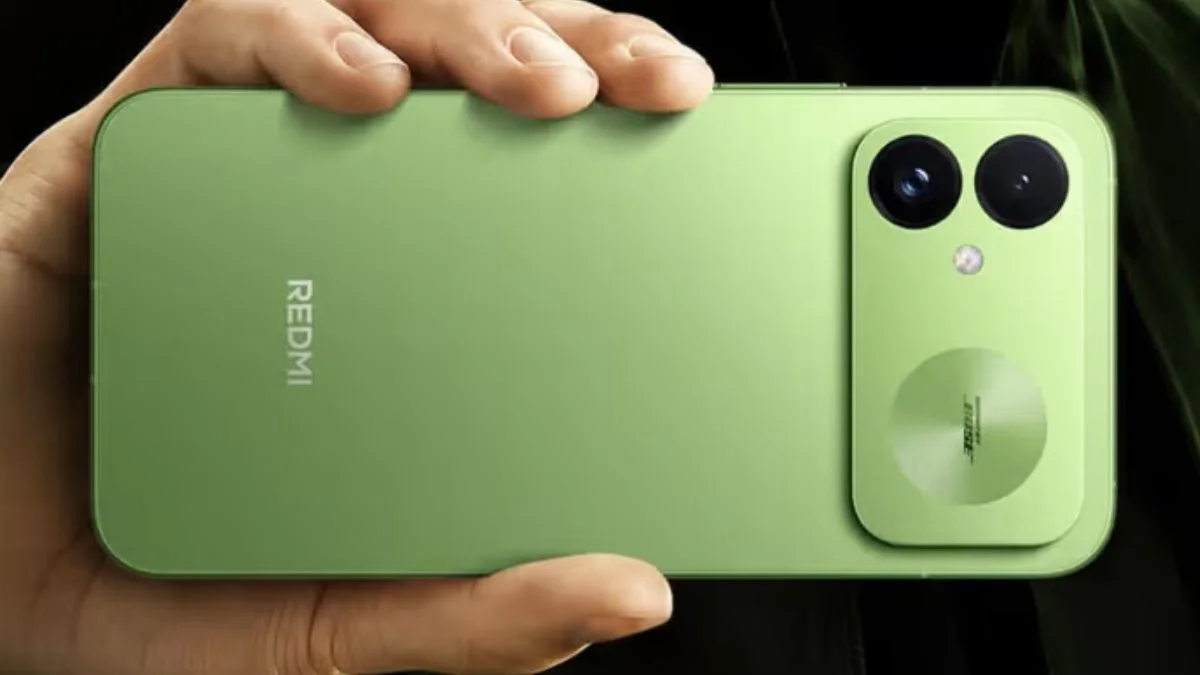
Redmi's K100 is the third phone in the sub-brand's latest lineup to reach China, and it's the one I'd look at first if battery endurance is your main concern. It sits alongside the K100 Pro and K100 Pro Max, both of which launched in the Chinese market recently. The K100 goes on sale later this week in three colours and three memory configurations, and its battery is the headline spec: 10,000mAh, a capacity well above what most phones ship with.

Pricing and Availability in China
Pricing starts at CNY 3,499 (roughly Rs. 50,000) for the base model, which pairs 12GB of RAM with 256GB of storage. Moving up to 12GB with 512GB costs CNY 4,099 (around Rs. 58,000), and the top configuration, with 16GB of RAM and 512GB of storage, is priced at CNY 4,499 (approximately Rs. 64,000).
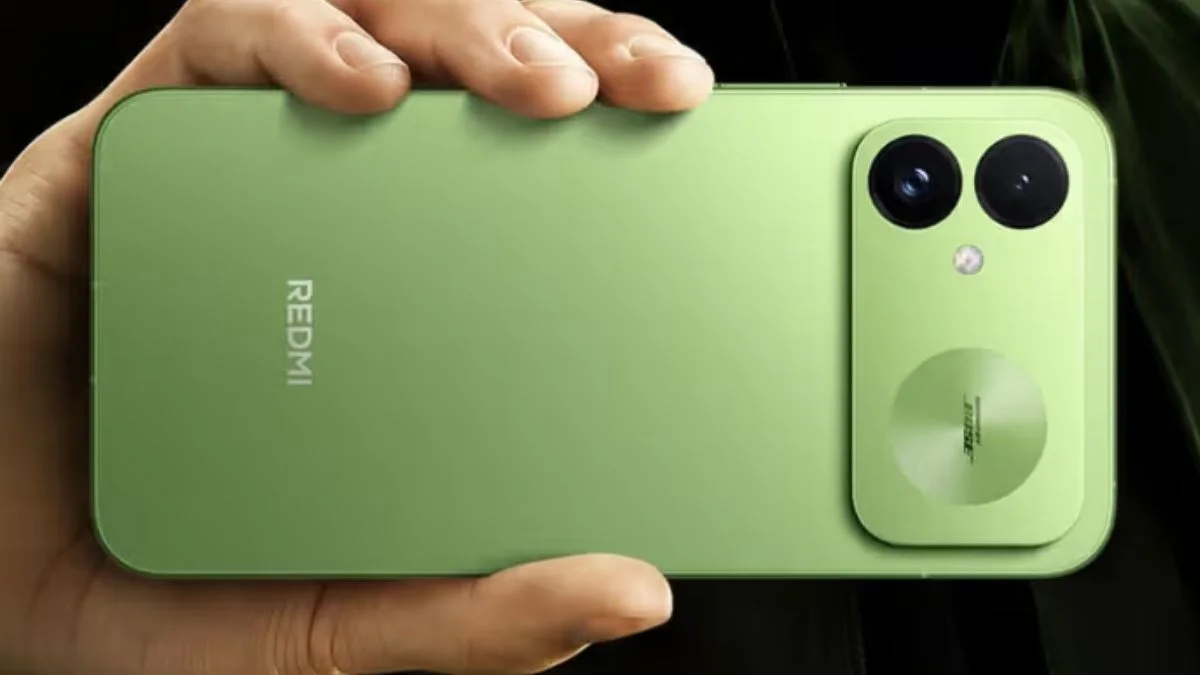
Pre-orders are already open in China, and Redmi expects the phone to reach the market by October 31 through the Xiaomi Online Store. The colour options are Black, Fluorescent Green and Snow Rock White. Those conversions to rupees are approximate and come from the source reporting; the yuan figures are the ones to work from, since regional pricing outside China hasn't been confirmed.
One thing to keep in mind when comparing these prices: the 256GB base tier still comes with 12GB of RAM. That's a sensible starting point for a flagship-class chip, and it means the storage jump, not the memory jump, is the main reason to pay more for the middle option.
The Battery Is the Story
A 10,000mAh cell changes how you think about charging. Most phone owners plug in every night out of habit. A pack this size gives you the option to skip a day or two in between, which matters most for people who spend long stretches away from a charger, such as travellers, field workers or anyone who uses their phone heavily for navigation and photos.
Early impressions are already appearing. Tech creator Govind Sharma, posting on X, described the phone as having a huge battery and said it should be enough for a whole day. That's one hands-on reaction rather than a formal test, so treat it as a directional signal. The real question is how the K100 manages that capacity under sustained gaming or camera use, and independent results will tell that story better than any spec sheet.
Battery size also raises the weight question. A larger cell usually adds bulk, and buyers who prefer compact phones will want to check the physical dimensions and weight once reviews land. Big batteries are a trade-off, and the K100's marketing emphasis suggests Redmi has decided endurance is worth that cost.
Display: High Refresh, Fast Touch Response
The K100 uses a 6.83-inch AMOLED panel at 1.5K resolution, measuring 1,280 x 2,772 pixels, with a maximum refresh rate of 165Hz. Redmi also quotes a touch sampling rate of 480Hz and instantaneous touch response of up to 3,500Hz. Those touch figures matter most in fast-paced games, where input latency can be the difference between a clean hit and a missed one. Like the refresh rate, they're manufacturer figures, and the real-world benefit depends on how well the software and panel handle them together.
On the colour and brightness side, Redmi lists P3 wide colour gamut, peak brightness of 3,500 nits, and support for HDR10+, HDR Vivid and Dolby Vision. Peak brightness figures like 3,500 nits are typically measured in short bursts, so they're most useful for judging outdoor visibility in direct sun, not for everyday indoor use.
For durability, the phone carries IP66, IP68, IP69 and IP69K ratings. Those cover dust and water resistance under different test conditions, including high-pressure and high-temperature water jets in the IP69K case. That's a broader set of ratings than many phones in this price band advertise, though buyers should still avoid treating any rating as a guarantee against accidental damage.
Performance and Software
Under the hood is Qualcomm's Snapdragon 8 Elite, an eight-core chip that Redmi says can reach 4.32GHz. Redmi pairs it with a separate D2 AI gaming chip, which the company says was built on TSMC's 12nm process. Dedicated co-processors like this typically handle tasks such as frame scheduling, image enhancement or AI workloads, freeing the main processor for other work. How much that helps in practice depends on the games and apps you run, so it's worth waiting for benchmarks and sustained-performance tests before deciding it's a major advantage.
Graphics come from an Adreno GPU. Memory tops out at 16GB of LPDDR5X, and storage goes up to 512GB of UFS 4.1, which is the faster standard that most buyers will feel during app loads and large file transfers.
On software, the K100 runs HyperOS 4, which is built on Android 17. It supports dual SIM. Redmi hasn't detailed the update commitments for this model in the material available so far, so buyers who care about long-term software support should look for that information before committing.
Cameras
The rear setup has two cameras. The main sensor is a 50-megapixel unit with an f/1.68 aperture and a 1/1.55-inch Light Hunter 800 sensor, with optical image stabilisation. Larger sensors generally gather more light, and OIS helps reduce blur in lower light and while shooting video. Pairing it with an 8-megapixel ultrawide camera, f/2.2 aperture and 1/4-inch OV08F sensor gives you a wider field of view, though ultrawide shots typically trade some detail and low-light performance for that extra coverage.
On the front, a 20-megapixel camera handles selfies and video calls. The phone can record video at 8K resolution at 30fps. Recording at 8K produces very large files, so most people will shoot in 4K or 1080p day to day, and the 8K option is more about headroom than routine use. Camera quality is one area where a hands-on test matters more than a spec list, so I'd wait for side-by-side samples before ranking it against rivals.
Who Should Pay Attention
The K100 looks aimed at buyers who want a flagship-class chip and a display and camera setup that's competitive on paper, with battery life as the standout feature. If you're upgrading from an older phone and most of your frustration is running out of charge by evening, this is the kind of device to watch. If you care most about camera tuning or long-term software promises, the answers aren't in yet.
My read: the K100's real test will come in the first round of reviews, where battery drain under gaming and camera use, thermal behaviour and real-world brightness will show whether those large numbers translate into daily life. The price is the other thing to watch. The base tier at CNY 3,499 is a compelling entry point on paper, and whether that holds once international pricing and availability are confirmed will shape how far the K100 travels beyond China.