First day cover ·
Meta's New SDKs Bring Floating Windows to Quest 2D Apps, and Disney+ Gets 3D
Meta's Layout, Gaze and UI Set SDKs let 2D Android apps add spatial windows on Horizon OS 2.7, while Disney+ gets a 3D overhaul in November.
For most of Horizon OS's life, a 2D app has been stuck on a tablet-style screen. You could open several windows, but you couldn't push any part of your interface into space without turning the whole app into an immersive experience. That's the gap Meta is trying to close with three new SDKs announced at Meta Connect 2026, and it matters well beyond headset enthusiasts, because it's the first real path for regular Android apps to feel native on Quest and, eventually, on Meta's upcoming VR glasses.
Meta VR Layout SDK: spatial windows without going immersive
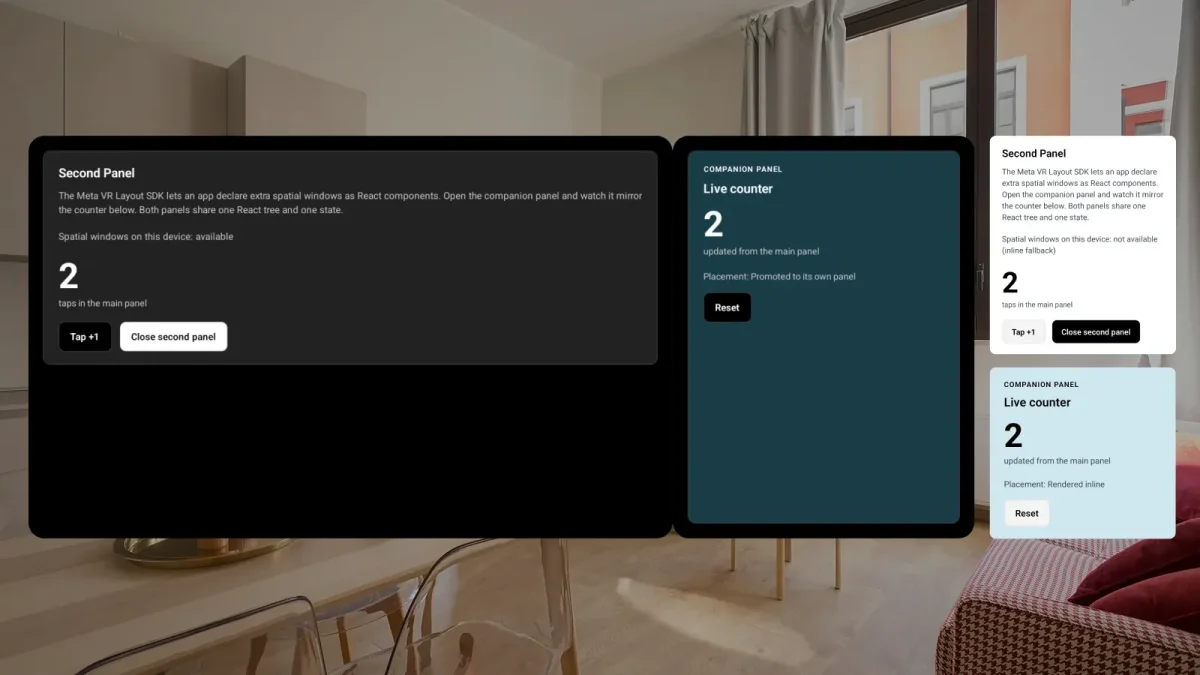
The Meta VR Layout SDK lets developers place spatial components and windows around the main window of a standard Jetpack Compose or React Native Android app. The key detail is that the app stays non-immersive. It can sit alongside other open apps and keeps its existing activity and UI architecture, so developers don't need to rebuild anything in the Meta Spatial SDK to get started.
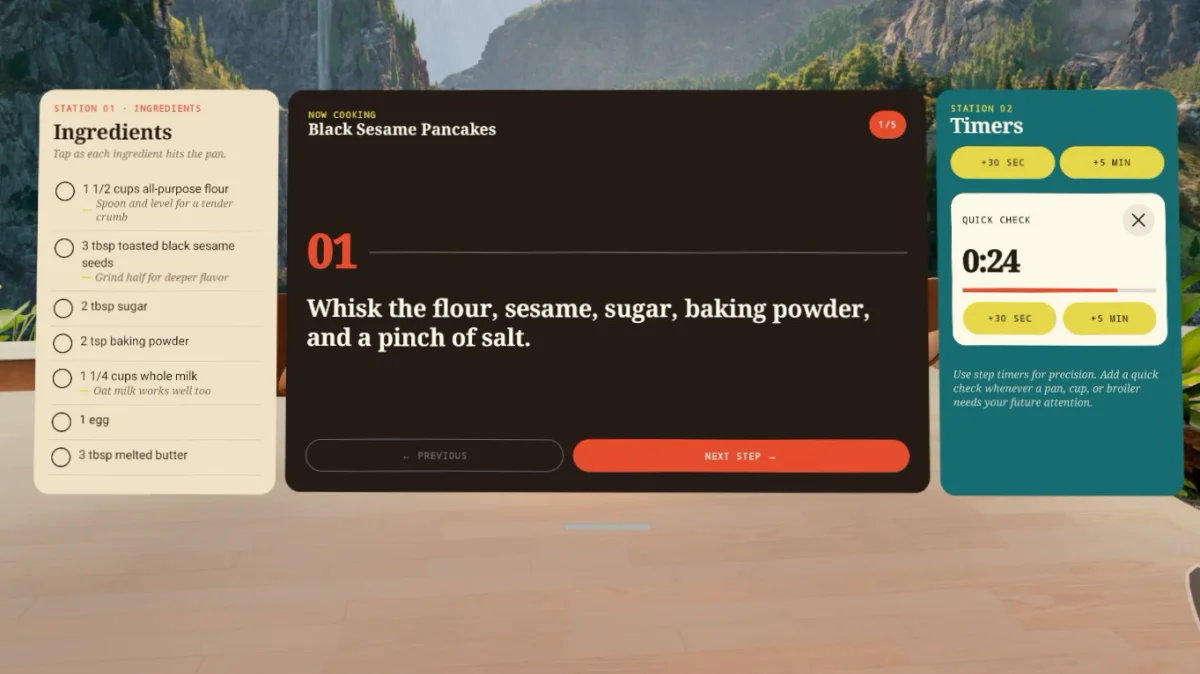
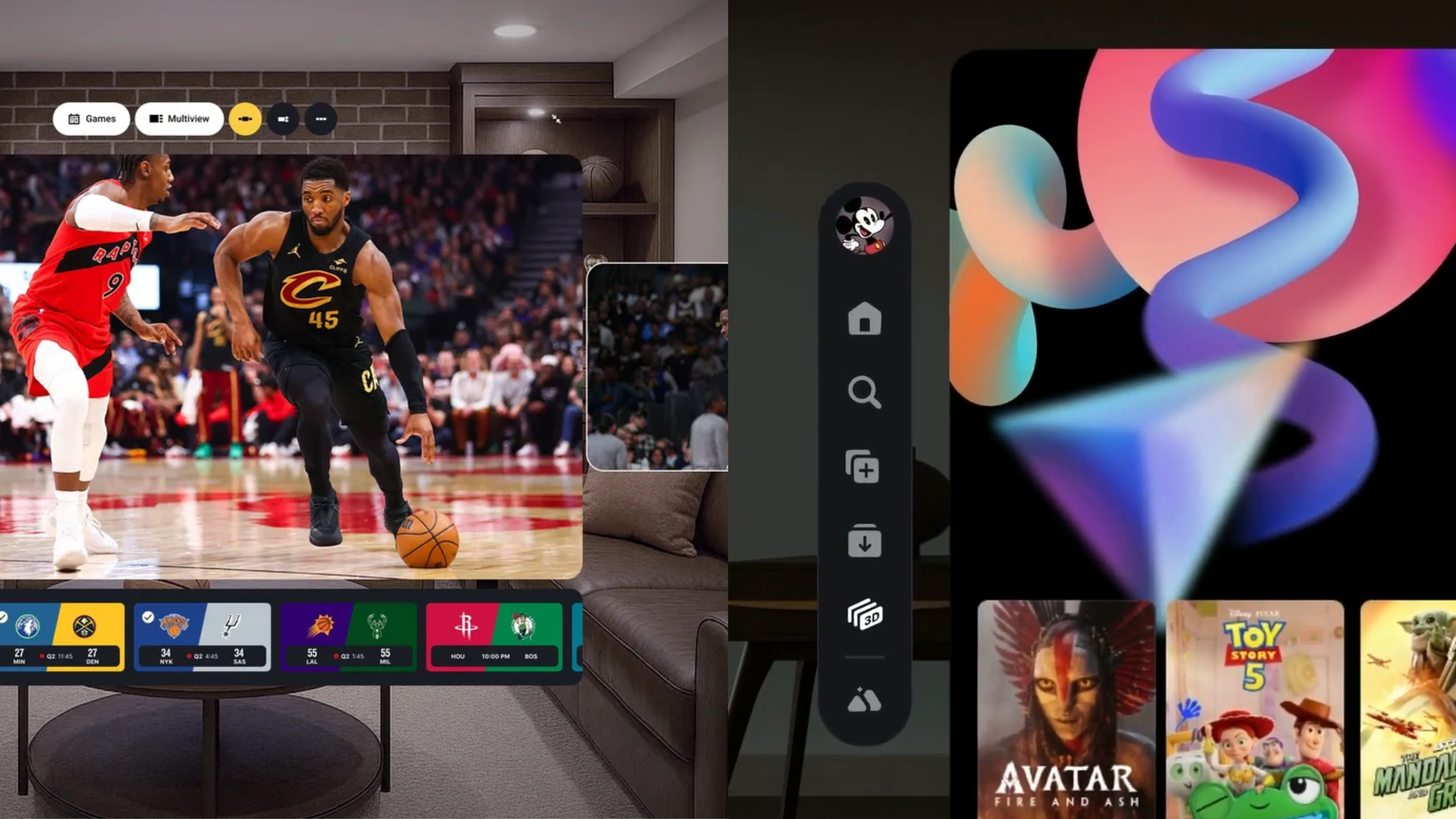
The NBA app is one of the first to use it, applying the SDK to improve its UI and support multiple views. In practice, the Layout SDK brings window arrangements similar to those on visionOS. What it won't do is spawn 3D objects or control the environment. Those jobs still belong to the Spatial SDK, so think of Layout as the tool for organizing a 2D app in space and Spatial as the tool for building a 3D one.
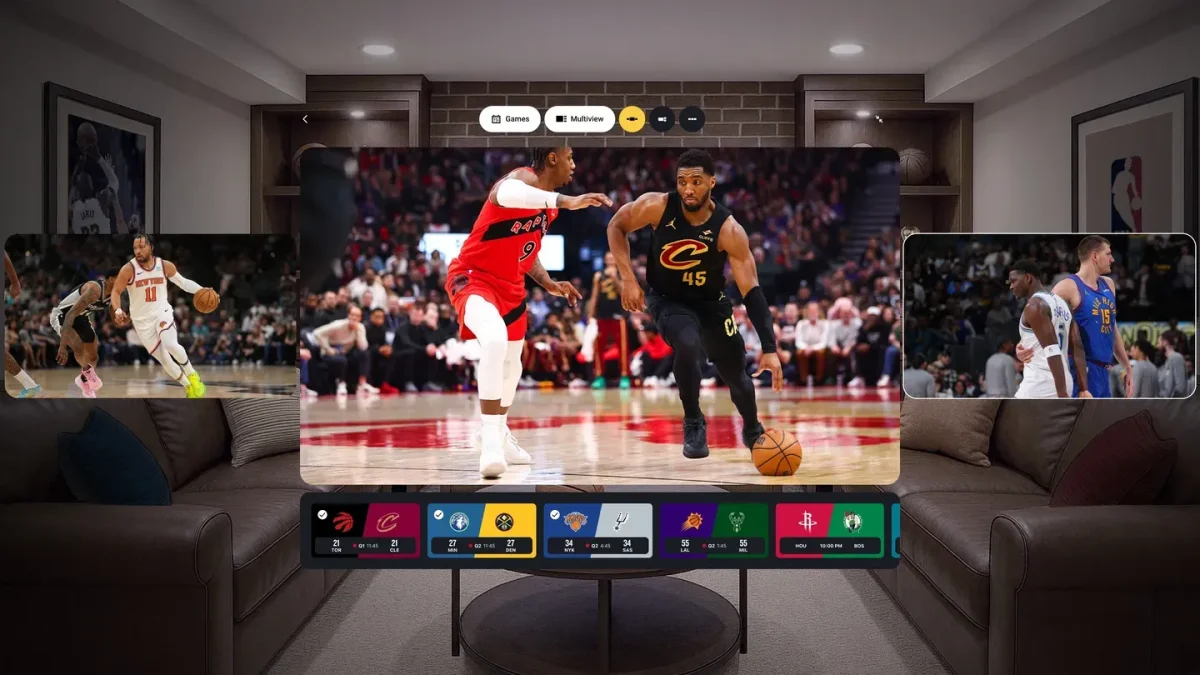
Compatibility is the catch. Meta says the SDK is fully supported only on Horizon OS 2.7 and later. On earlier releases it falls back to non-spatial behavior, keeping the main window available while each spatial component uses the fallback the developer configured. That's a sensible design, but it means developers will be writing and testing two experiences for a while, and users on older firmware will see a flatter app.
Meta VR Gaze SDK: helping the system understand custom layouts
Meta VR Glasses default to a "Look and Pinch" input scheme that combines Eye and Hand Tracking. For standard layouts, that works well. Highly customized components are another story, because the system can misclassify some elements. The Gaze SDK, which supports Jetpack Compose, React Native and Android Views, gives developers a way to supply hints about their layout and to customize hover behavior.
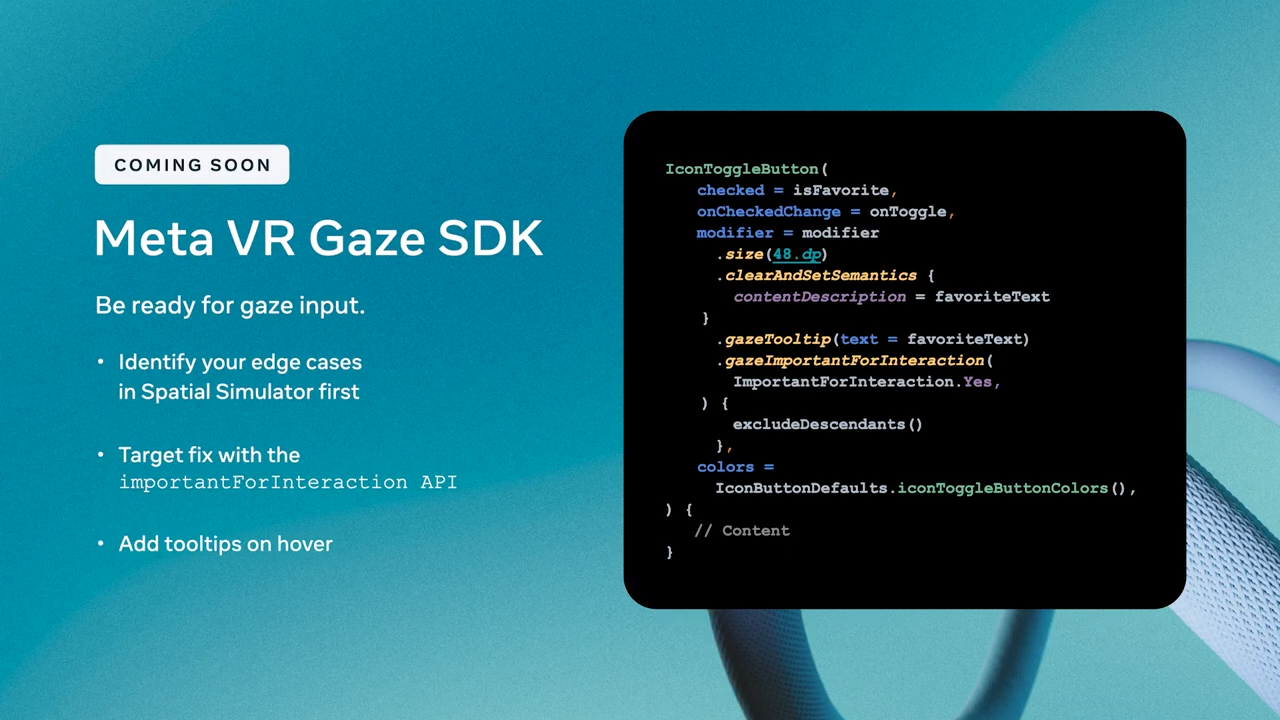
Right now it's in early access and works with Horizon OS 2.7 and later. It can't ship in a live app until it leaves early access, and developers can request access through the developer support portal. If you're a developer with an unusual interface, this is the one to get in front of early.
Meta VR UI Set SDK: finally, a common design language for 2D apps
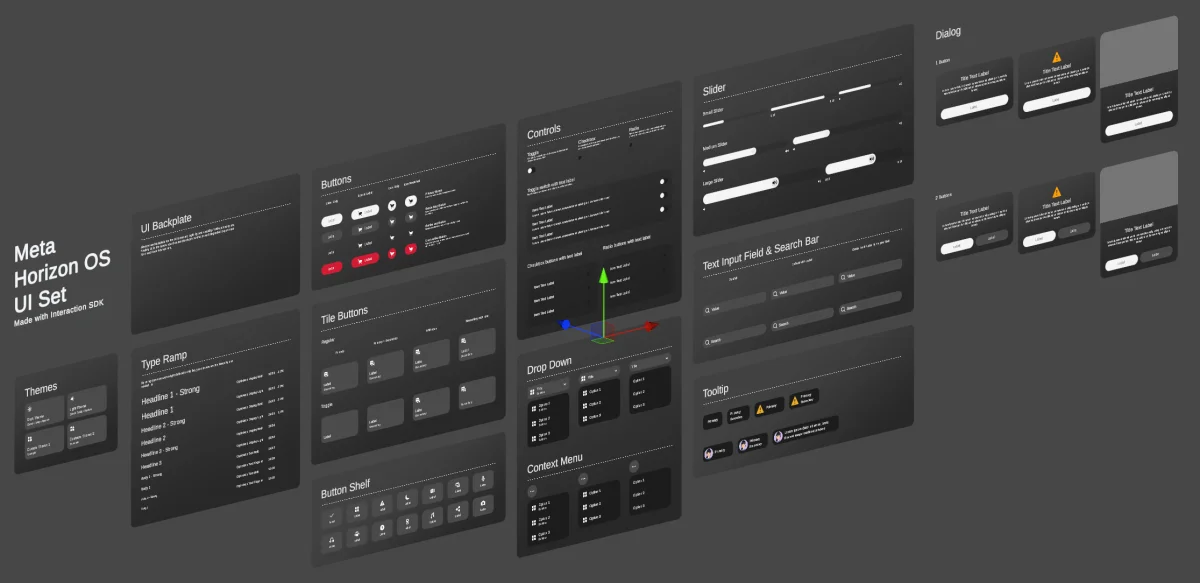
Meta released the Horizon OS UI Set in October 2024 as a UI kit for Unity, Figma and, later, the Spatial SDK. It was useful, but it wasn't a standalone SDK, and its assets and frameworks were hard to adapt for standard 2D Android apps. That's a big reason most 2D apps on the platform still roll their own interface code. Many of those solutions were custom-built or repurposed from asset stores, which made apps feel out of step with the rest of the system.
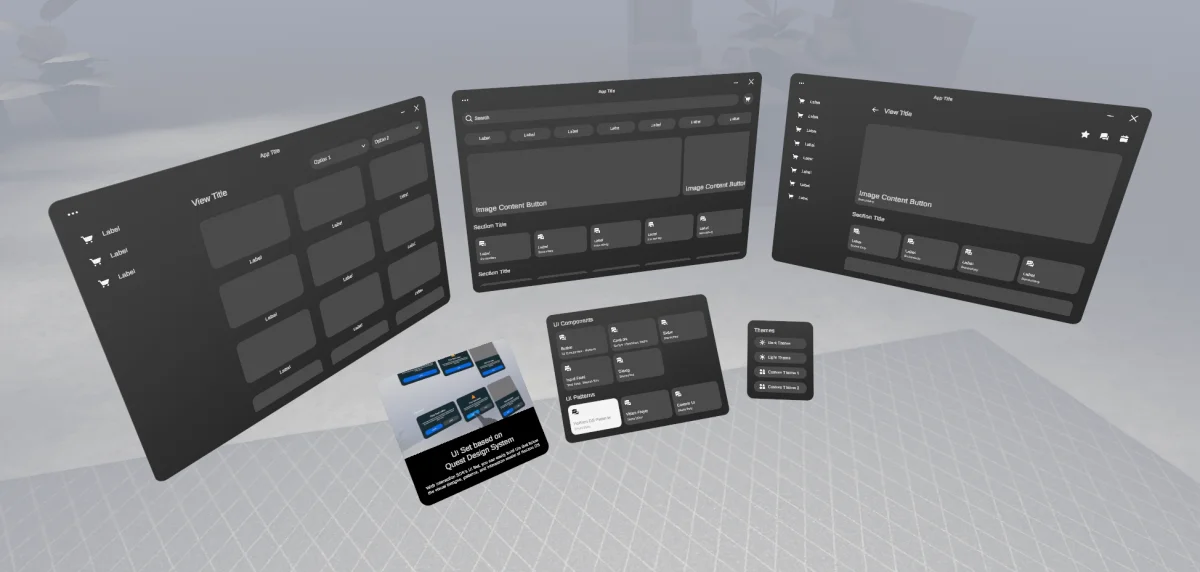
The Meta VR UI Set SDK is the attempt to fix that. It's a Jetpack Compose design system for apps on Meta VR devices, with dark and light color schemes, semantic colors, typography, icons, component dimensions and interaction feedback. Meta says it's the successor to the Horizon OS UI Set within the Spatial SDK, and it's optimized to be implemented by an AI coding agent.
That last point is worth a second look. Android developers already know Compose, so the barrier is lower than it would be for a Unity-based kit. My read is that the bigger benefit isn't the component library itself. It's the chance that many more 2D apps start looking and behaving like the rest of Horizon OS, which is what users notice when a platform feels coherent.
Disney+ heads toward the visionOS experience
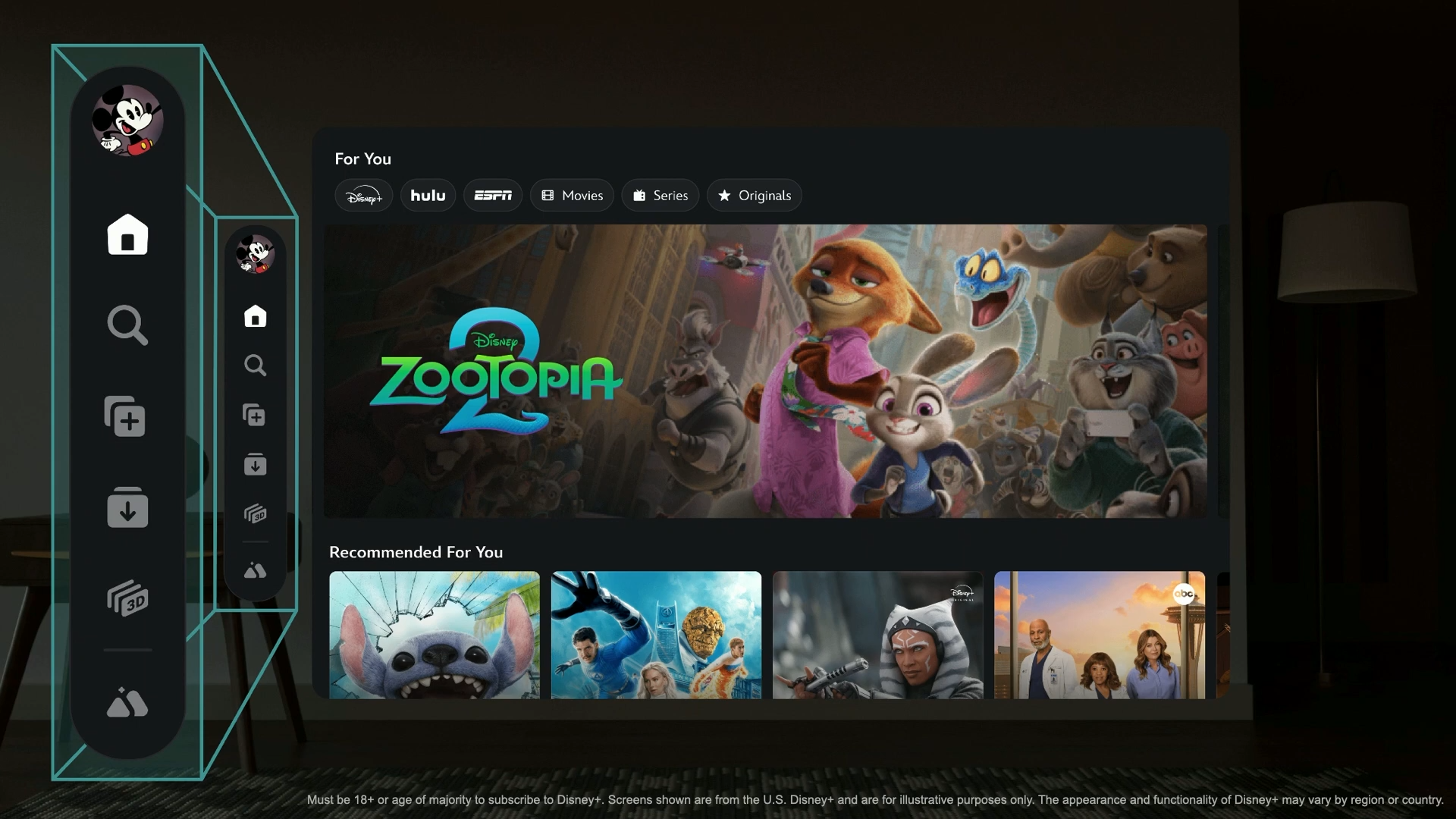
Disney+ offers a useful case study. The visionOS version was custom-built with a unique spatial UI and launched with several immersive environments, with more added in the months that followed. The Quest app arrived in December 2025 with support for up to 4K resolution and Dolby Vision HDR. Premium subscribers also got Dolby Atmos immersive audio in supported titles, a feature added to Horizon OS in v71, plus offline downloads.
The Quest version had a clear limit, though. Unlike the visionOS app, it didn't support 3D content and was restricted to 2D media, and it lacked the custom 3D environments that serve as virtual cinema spaces. Disney now plans to use recent Horizon OS updates and Meta's developer tools, including improvements to the Spatial SDK for audio and interactions, to bring many of the visionOS features across.
The concrete timing is a major update in November that overhauls the UI, makes the experience more spatial, adds support for 3D media and introduces several of the 3D environments from the visionOS app. Meta is also expected to let Quest users rent or buy "hundreds" of movies in the US later this year. The company says that catalog will grow to "thousands" of titles internationally by the time Meta VR Glasses launch in 2027.
Here's the thing: the Disney+ update is a good test of whether these SDKs deliver. A streaming app that already runs well on the headset, now gaining 3D media and spatial environments, shows what developers can do without starting from scratch. And the device context is Meta VR Glasses, which the company has announced will ship in spring 2027 at $1,300, with 2.4K micro-OLED displays, a 100-gram weight, and a tethered puck powered by Qualcomm's Snapdragon Reality Elite chipset. Those specs will matter most for buyers deciding whether to wait, and the SDKs are what will decide whether there are good apps waiting for them.