First day cover ·
Xiaomi 18 Pro Rear Screen Could Handle Google Maps and Music Controls
Reported details suggest the Xiaomi 18 Pro's rear screen will show Google Maps directions and music controls without waking the main display.
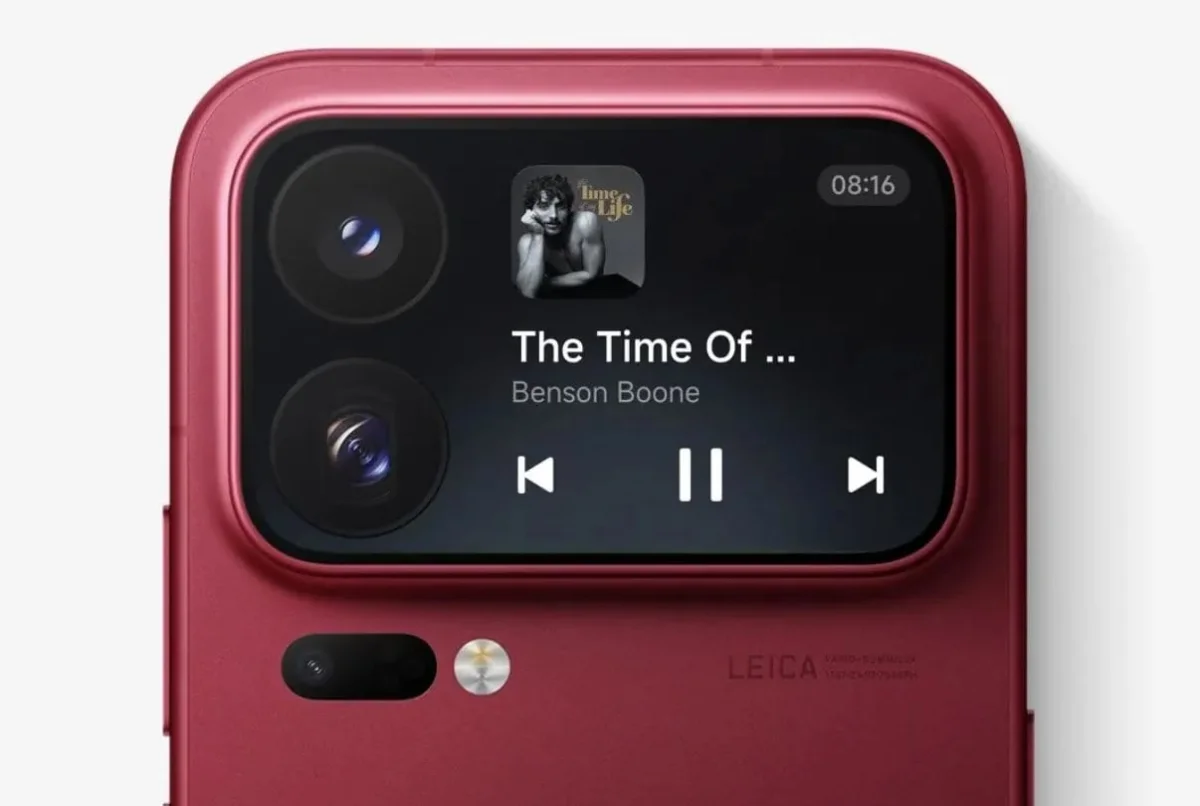
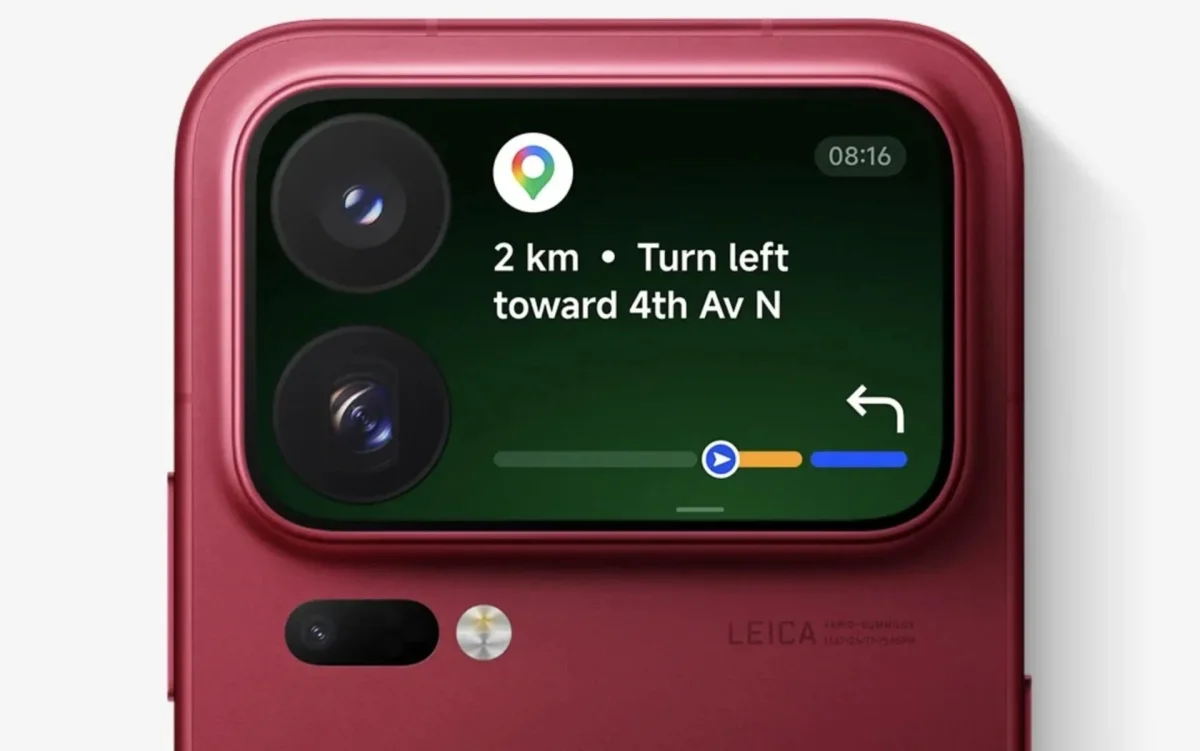
Xiaomi's rear panel has mostly been a glance-and-dismiss screen so far. According to XimiTime, the Xiaomi 18 Pro could change that by showing Google Maps turn-by-turn directions and music playback controls on the small display on the back, so you wouldn't need to switch on the main screen at all. The details are pre-launch reporting and haven't been confirmed by Xiaomi, but if they hold up, the rear panel becomes a genuinely useful tool rather than a novelty.
The timing matters. Large, bright front displays are one of the biggest drains on a phone's battery, and the 18 Pro is heading to Europe in November with plenty of attention on how long it will last. Handling quick tasks on a secondary panel means you don't have to wake the power-hungry main screen just to check where to turn or skip a track. That's a sensible trade for a phone that's often lifted from a pocket for a few seconds at a time.
What the rear screen would actually show
The physical space inside the camera module is tight, so the interface would have to be stripped back. For walking directions, the reported design shows only the essentials: the next turn and the distance remaining until that turn. The front display stays off for the whole walk, which is exactly the scenario where a rear glance makes the most sense, with the phone in a hand or a jacket pocket and the screen peeking out.
Music is the other half. The report says the rear panel would work with streaming apps such as Spotify and YouTube Music, displaying the track title and album art. A tap on the back of the phone would pause playback or skip to the next song. Gesture-style controls on a rear panel aren't new in concept, but they're far more practical when the screen can show you what's playing before you tap.
Here's the thing, though: the value depends on how reliable those taps are. A rear surface that registers accidental touches while the phone sits in a bag would be annoying fast. Until hands-on testing happens, that's the detail I'd watch most closely.
Why the Google Maps update matters here
The navigation side of this lines up with a recent overhaul of Google's immersive navigation, which is described as the biggest change to the service in more than a decade. Google Maps already gained 3D navigation and a Gemini-powered assistant, and the newer update reportedly processes three-dimensional buildings, sidewalks and visual landmarks so that turn instructions feel more natural and precise. That kind of data is what makes a short rear-screen prompt useful: "turn left in 40 metres" is only helpful if the app knows which corner you mean.
The improvements arrive through Google's servers rather than a dedicated app build, so the feature set shouldn't depend on a specific Xiaomi version of Maps. Keeping Google Maps updated on the phone is still the sensible move. The immersive navigation is currently available in the United States, with wider availability, including Europe, expected through 2027. That gap is worth remembering if you're buying the phone for walking directions in Lisbon or Berlin next year.
Timing and what comes next
The Xiaomi 18 Pro is set to be unveiled on 17 November, and that's when the full details for global markets are expected. Until then, the rear-screen features remain reported rather than announced, so treat the specifics as provisional. Pricing, regional rollout and which features ship on day one are all still open questions.
My read is that the rear panel is becoming a small but real productivity surface, and that's the right direction. If Xiaomi gets the gesture reliability and the Maps integration right, the feature could matter more to everyday buyers than another spec-sheet bump. Watch the November launch for how much of this lands on the phone you can actually buy.