First day cover ·
Honor's Rumoured 15,000mAh Phone Could Redefine Battery Life
Honor is reportedly testing batteries of 14,000mAh to 15,000mAh, a leak that points toward a phone lasting a week on one charge. Honor hasn't confirmed it.
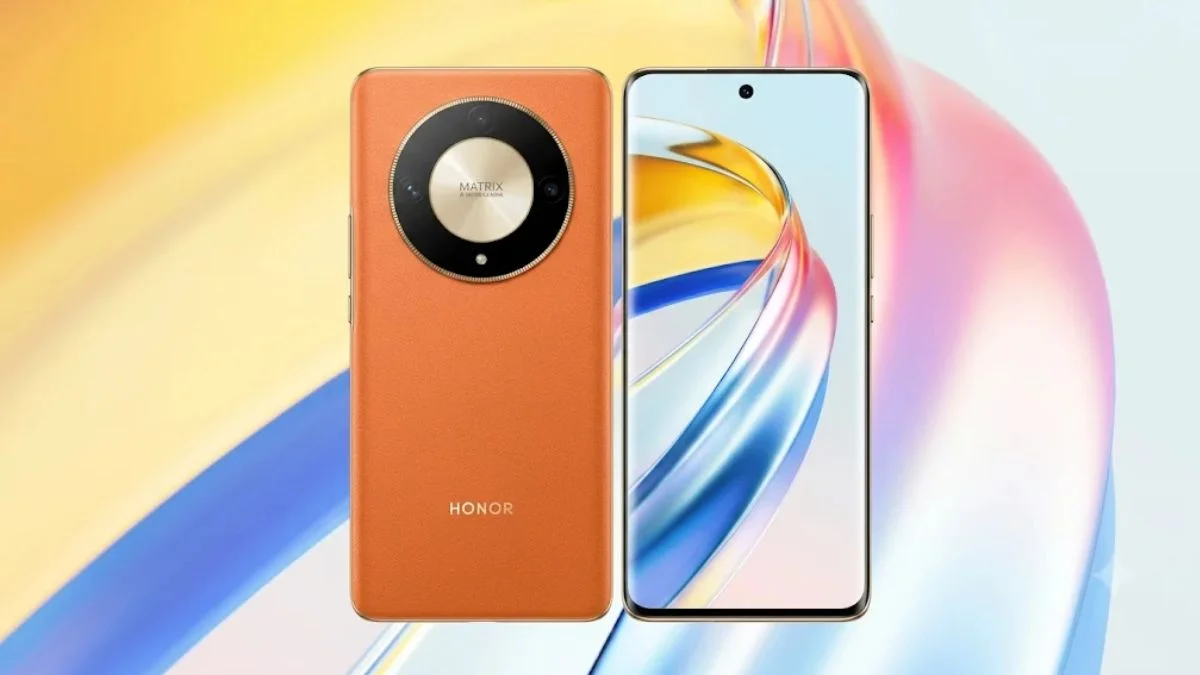
A phone that goes a full week between charges would change how most people think about their daily top-ups. Honor is reportedly working toward that, with batteries in the 14,000mAh to 15,000mAh range. The claim comes from a leaker, not from Honor, so treat it as a rumour for now. Still, it fits a clear pattern in the company's recent hardware, and the engineering questions behind it are worth working through.

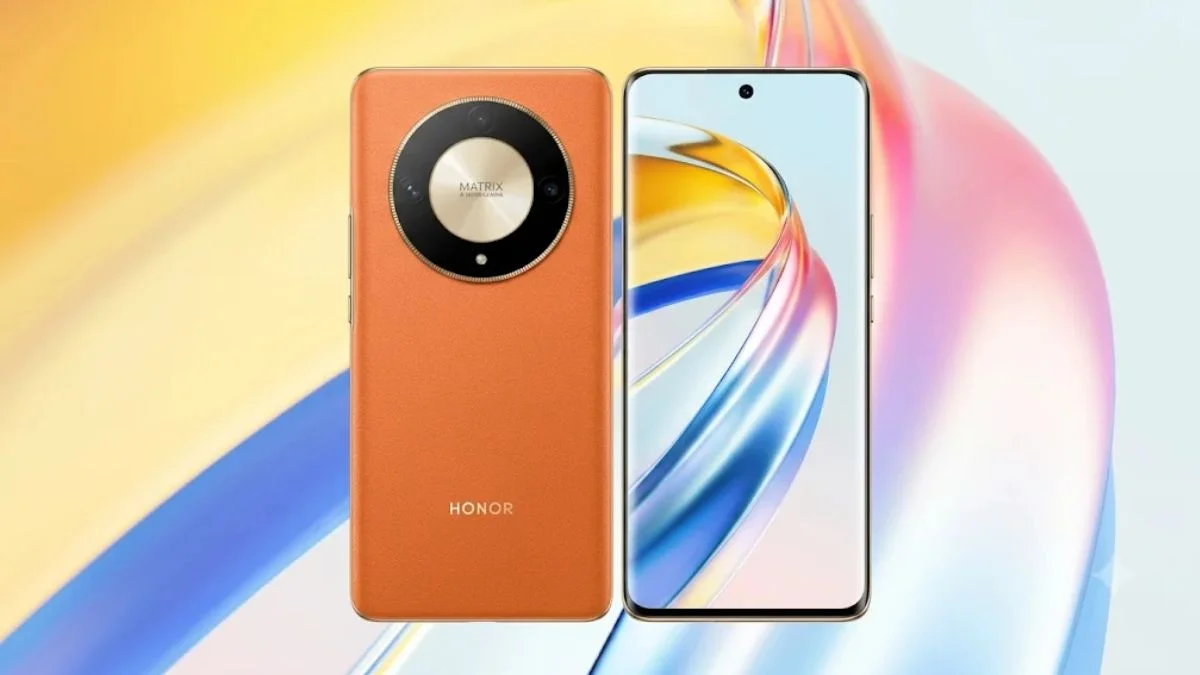
What the leak actually claims
The report comes from Digital Chat Station, a tipster who has shared Honor battery details before. The claim is that Honor is testing cells between 14,000mAh and 15,000mAh, and that the goal is a smartphone that runs for seven days without needing a recharge. Honor hasn't confirmed any of this, and there's no official launch date or device name attached to it.
That gap matters. Battery test prototypes and shipping phones are different things, and plenty of capacity figures that circulate never make it into a product. What makes this rumour more credible than a random spec sheet is the timeline that backs it up, which is what the rest of this piece looks at.
Where Honor's batteries stand today
Honor has been steadily raising capacity across its lineup. The Win series, launched in December 2025, came with 10,000mAh batteries. In June, the X80 Pro Max arrived with 11,000mAh. The Honor Win 2 series followed, launching in China on October 21 with 12,070mAh batteries. The Win RT 2 in that family also supports 90W wired fast charging, which matters as much as the capacity itself: a huge cell that takes hours to refill is a lot less useful than one you can top up quickly.
Honor has also pointed to a Guinness World Record for the longest live-stream battery test, at 26 hours, 8 minutes and 34 seconds. That's the company's own framing of a result, and it shows what Honor is trying to prove: that large cells paired with efficient software can deliver long real-world runtime. Stream-test records measure one specific workload on one device, so they don't translate directly into a week of mixed use, but they do show the battery hardware and power management can work together at a high level.
The 12,070mAh figure is also worth noticing. Going from 10,000mAh to over 12,000mAh inside roughly a year is a meaningful step, and it's the same kind of step the leaker described before the Win RT 2 appeared. That earlier sequence is the main reason to take the 15,000mAh rumour seriously.
Why 15,000mAh is harder than the number suggests
Bigger batteries carry obvious costs. Cells take up internal volume, so a phone with a 15,000mAh pack would likely be thicker or heavier than today's flagships, or both. Those trade-offs go beyond pocket feel. A heavier phone changes how it sits in a hand and how it fits in a bag, and many buyers will notice that before they notice the extra endurance.
Thermal management is the other big challenge. Larger batteries and fast charging both generate heat, and the phone has to dissipate it without throttling performance or making the device uncomfortable to hold. Engineers typically handle this with better internal layouts, heat-spreading materials and charging logic that slows down at the right moments. None of that is trivial at this capacity, and Honor hasn't said how it plans to deal with it.
It's also worth remembering that battery capacity is only one half of the equation. Screen size, panel efficiency, processor power draw and how aggressively the software runs background tasks all change how long a charge lasts. A seven-day claim depends heavily on usage pattern, so even if a 15,000mAh phone arrives, the runtime you see will depend on how you use it.
Who would benefit, and what to watch
The clearest beneficiaries are heavy daily users who spend long stretches away from a wall socket, such as field workers, frequent travellers and people who rely on their phone for navigation, photography and messaging all day. For them, the value of a much larger battery is not having to plan the day around charging. For a typical user who charges every night, a bigger cell mostly adds weight and cost, so the upgrade case is narrower.
If you're deciding whether to hold off on a new phone, the practical advice is to watch for three things: an official confirmation from Honor with a device name, a launch date, and real figures for weight, thickness and charging speed. Those details will show whether a 15,000mAh phone is a usable everyday device or a niche product. Until then, the Win 2 series and the Win RT 2 remain the most concrete examples of where Honor's battery work currently stands.
My read is that a week-long phone is plausible in principle, but the interesting question is what it will weigh and how it will charge. Those two numbers will decide whether this stays a rumour or becomes a phone people actually buy.