First day cover ·
Galaxy Z Fold 7 Drops to Rs 1.3 Lakh on Amazon: What the Discount Means
Amazon lists the 12GB/256GB Galaxy Z Fold 7 at Rs 1,29,949, down from Rs 2,04,999. Here's what that means for buyers and what to check first.
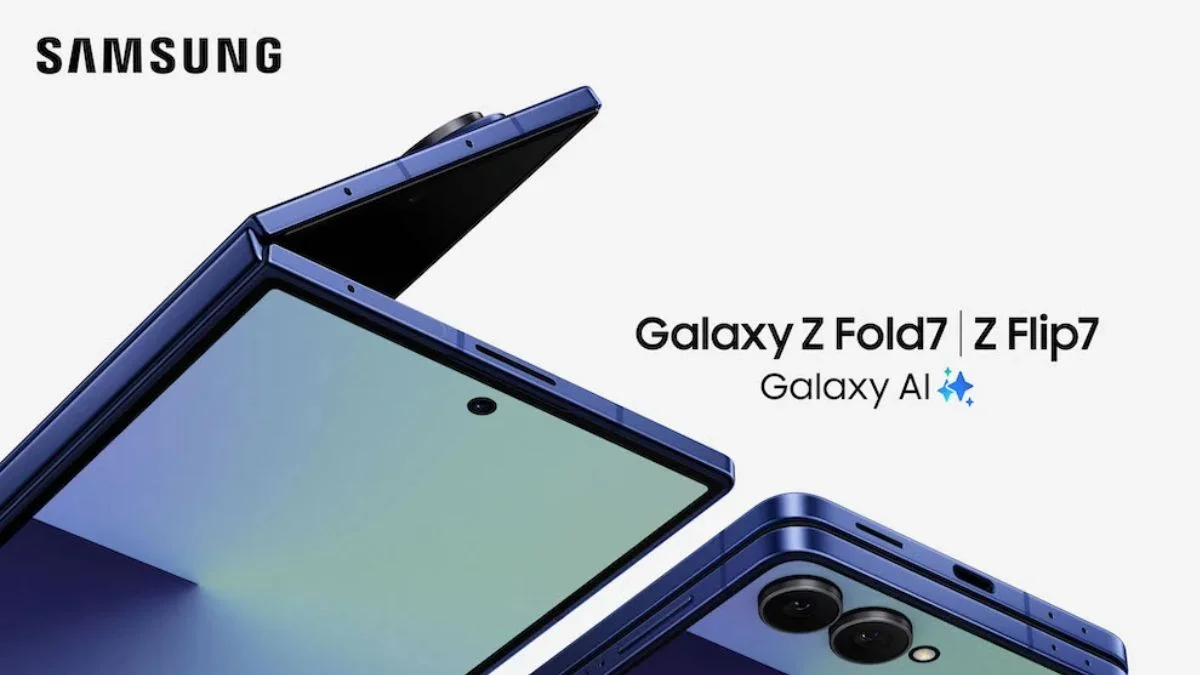
A foldable that normally costs more than Rs 2 lakh rarely shows up at Rs 1.3 lakh, so this one is worth a closer look. Amazon is currently selling the Samsung Galaxy Z Fold 7 in its 12GB RAM and 256GB storage configuration for Rs 1,29,949. The listed price is Rs 2,04,999, which works out to a Rs 75,050 gap and a discount of roughly 37 percent.

What the price cut actually saves you
Discounts on flagship foldables aren't unusual once a phone has been on the market for a while, but the size of this one stands out. At this price, the Fold 7 moves from "special occasion purchase" territory into the range where many buyers would seriously compare it with a high-end regular flagship. That's the real question here: is the foldable form factor worth the premium over a conventional phone, and does a price cut change that math?
Two caveats matter. First, the figures come from the listing at the time of writing, and Amazon deal prices can move quickly, so the number you see when you check may differ. Second, the bank card offers mentioned alongside the listing can lower the effective price further, but they depend on your card and the terms in place when you buy. Read the offer conditions before you count on them.
The hardware on paper
The Fold 7 is built around Qualcomm's Snapdragon 8 Elite chipset, which Samsung's listing pairs with a CPU clock speed of up to 4.47GHz. The Amazon configuration includes 12GB of RAM and 256GB of internal storage. Software runs Android 16 with Samsung's One UI 8 interface.
Samsung has redesigned the body to be slimmer and lighter than its predecessor, and the cover screen now uses a wider 21:9 aspect ratio. That matters day to day. A wider outer display makes it easier to reply to messages, check notifications and handle quick tasks without opening the phone, which is where many foldable owners spend a lot of their time.
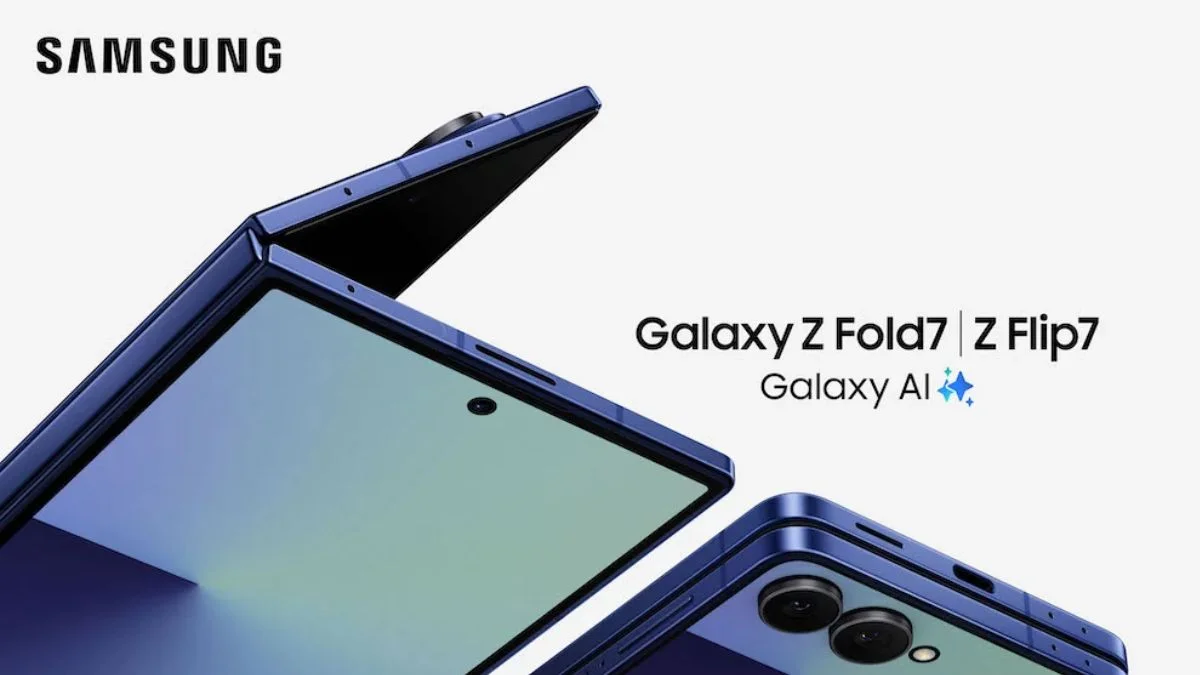
When you do unfold it, the internal screen is large enough to make multitasking practical. Samsung positions it for multitasking, entertainment, gaming and productivity, and that's the core pitch: you get something close to a small tablet in a pocket-sized body. The trade-off is familiar to anyone who has used a foldable. You're carrying a more complex mechanism, and the bigger screen usually comes with more weight and thickness than a standard slab phone, even when Samsung trims it down.
Cameras and AI features
Samsung lists a 200-megapixel main camera on the Fold 7, supported by its ProVisual Engine for image processing. The phone also includes Samsung's Galaxy AI features alongside Google's Gemini assistant. High-megapixel sensors typically shine in good light and when you're zooming or cropping, and the processing pipeline often does more of the work than the raw resolution number suggests. If you mostly shoot casually, the camera hardware is probably less of a deciding factor than how the phone handles everyday scenes, which is best judged with your own photos.
Durability and security
The listing points to an Armor Aluminium frame and Corning Gorilla Glass Ceramic 2 for protection. Samsung also highlights Knox Vault, a hardware-based security component meant to protect sensitive data stored on the device. Foldables have historically raised durability questions around the hinge and display, so it's sensible to look at protection plans and cases if you're considering one, regardless of how good the price looks.
Where the Fold 7 sits in Samsung's lineup
A third-party analytics post shared on X, citing Smart Analytics Global's Q3 2026 data, claims Samsung held 69 percent of global foldable shipments in that quarter, with the newer Galaxy Z Fold 8 accounting for nearly 55 percent of Samsung's foldable shipments. The same post says the overall foldable market shipped more than 7.5 million units, down 2 percent year on year. These are the figures as reported in that post, and they haven't been independently verified here, but they point to one reading: Samsung's book-style foldables are gaining ground while rivals lose share.
That context matters for buyers. If the Fold 8 is the current model, the Fold 7 is the previous generation. Older flagships often see the deepest discounts once a successor arrives, so the price cut may reflect that cycle rather than a problem with the phone itself. The Fold 7 gets you the same basic form factor at a lower cost, though you give up whatever the newer model adds. Compare the two on the specific features you care about before deciding.
The same post also suggests Apple's first foldable iPhone could challenge Samsung for the top spot as early as the fourth quarter of 2026. That's a rumour based on the post's claims and should be treated as unconfirmed. Still, it's a useful reminder that the foldable segment is getting more competitive, and more competition tends to push prices down over time.
What to do before you buy
Check the live price on the product page at the moment you're ready to order, and confirm that the 12GB/256GB configuration is the one you're getting. Compare the effective price after any card offers, and factor in the cost of a case or screen protection if you plan to use the phone without one. Then ask the question that actually decides it: do you use a larger unfolded screen every day? If you do, Rs 1.3 lakh for a flagship foldable is a much easier case to make than it was at the listed price. If you mostly want a phone that fits in a pocket and takes good photos, a conventional flagship at a similar price may serve you better.